Research Directions
Civil applications of nuclear science that create real‑world impact
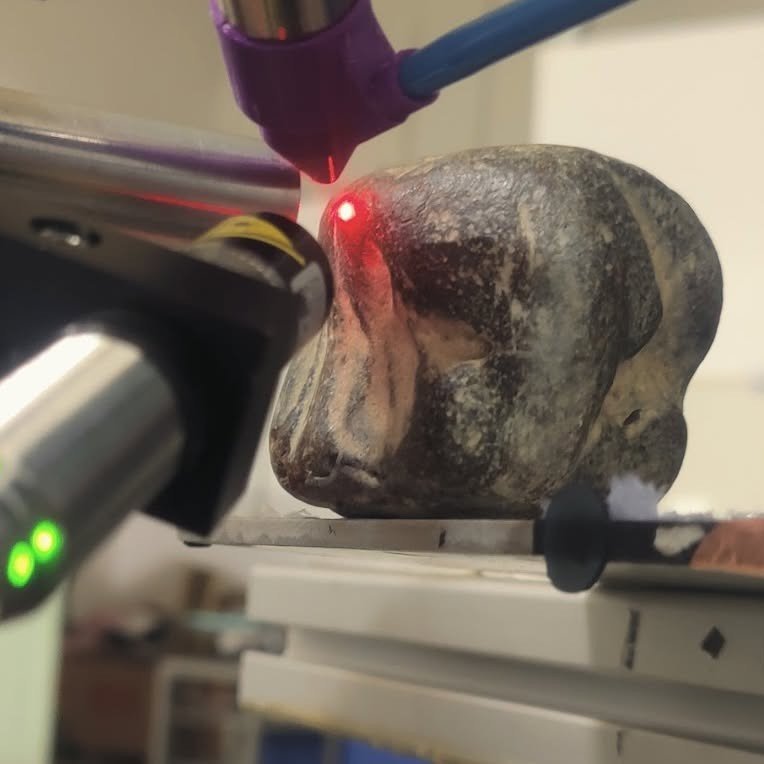
Ion Beam Applications
We use ion beams to analyse and engineer materials with precision—from semiconductors and batteries to space‑grade components—using techniques such as RBS, ERDA and PIXE on our 3 MV Tandetron.
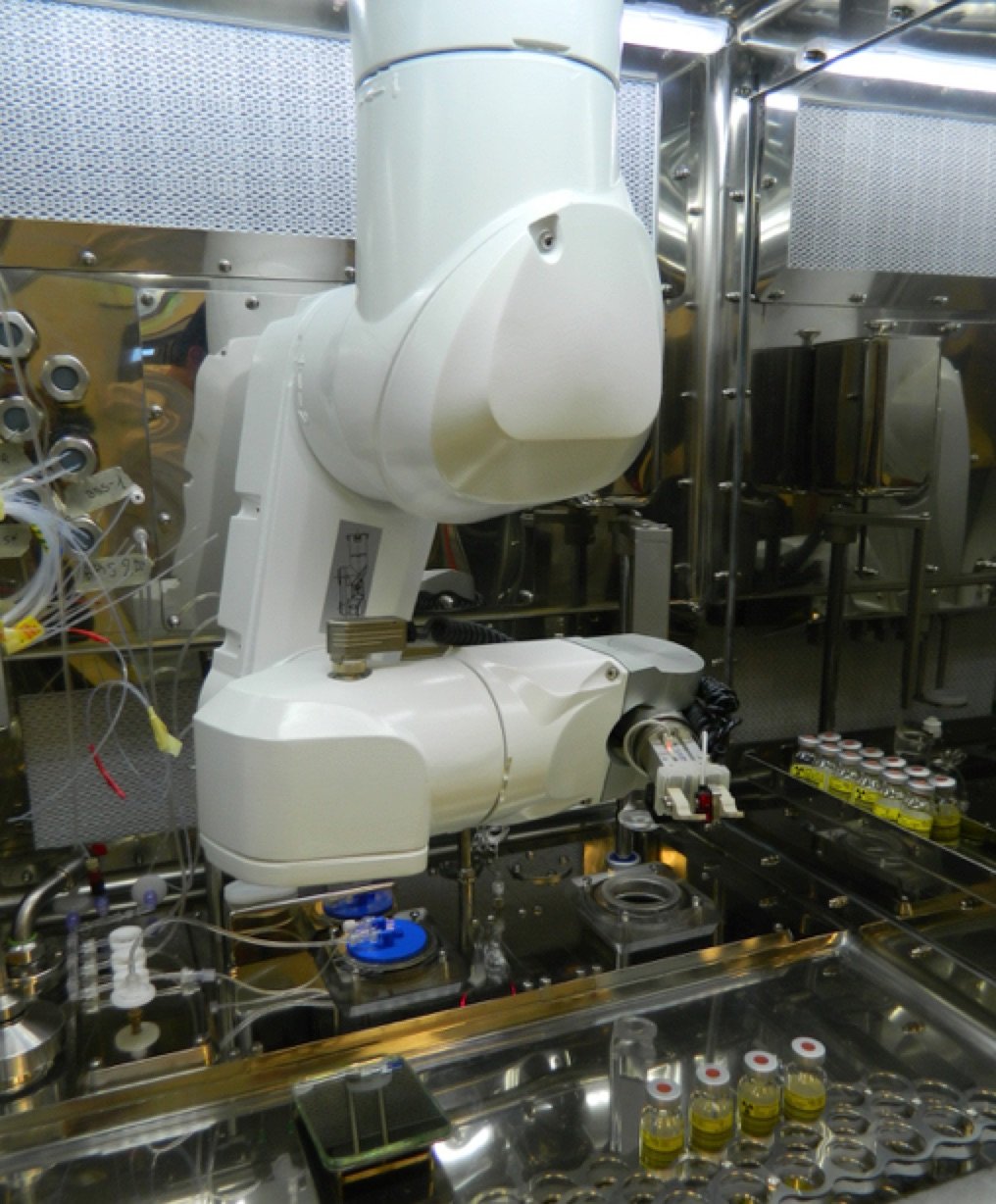
Radiopharmaceuticals
We design and test radiopharmaceuticals for molecular imaging and targeted radiotherapy, advancing personalized medicine in oncology and neurology.
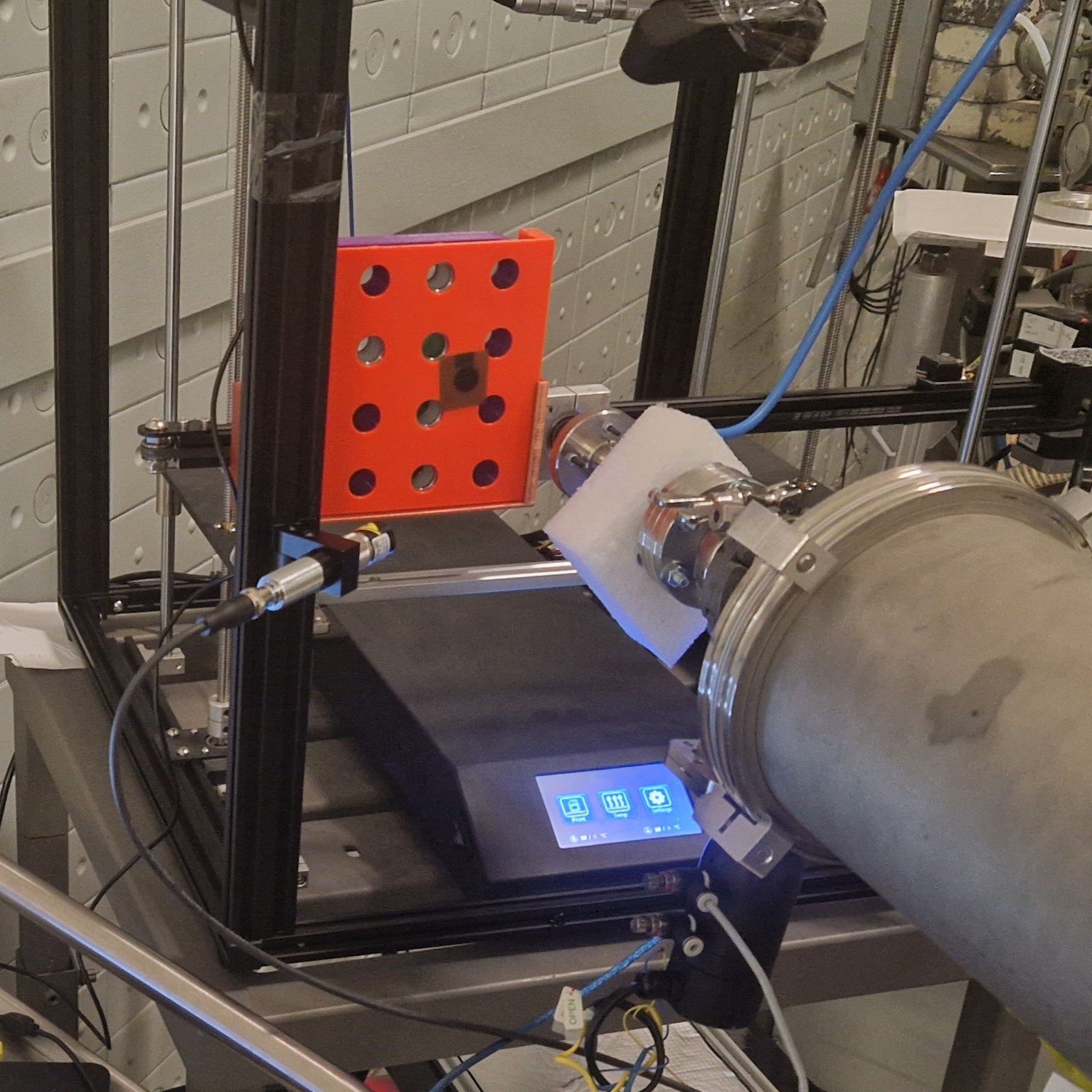
Technology Development
We build detectors, irradiation setups and analytical systems, enabling experiments and services with strong industrial relevance.
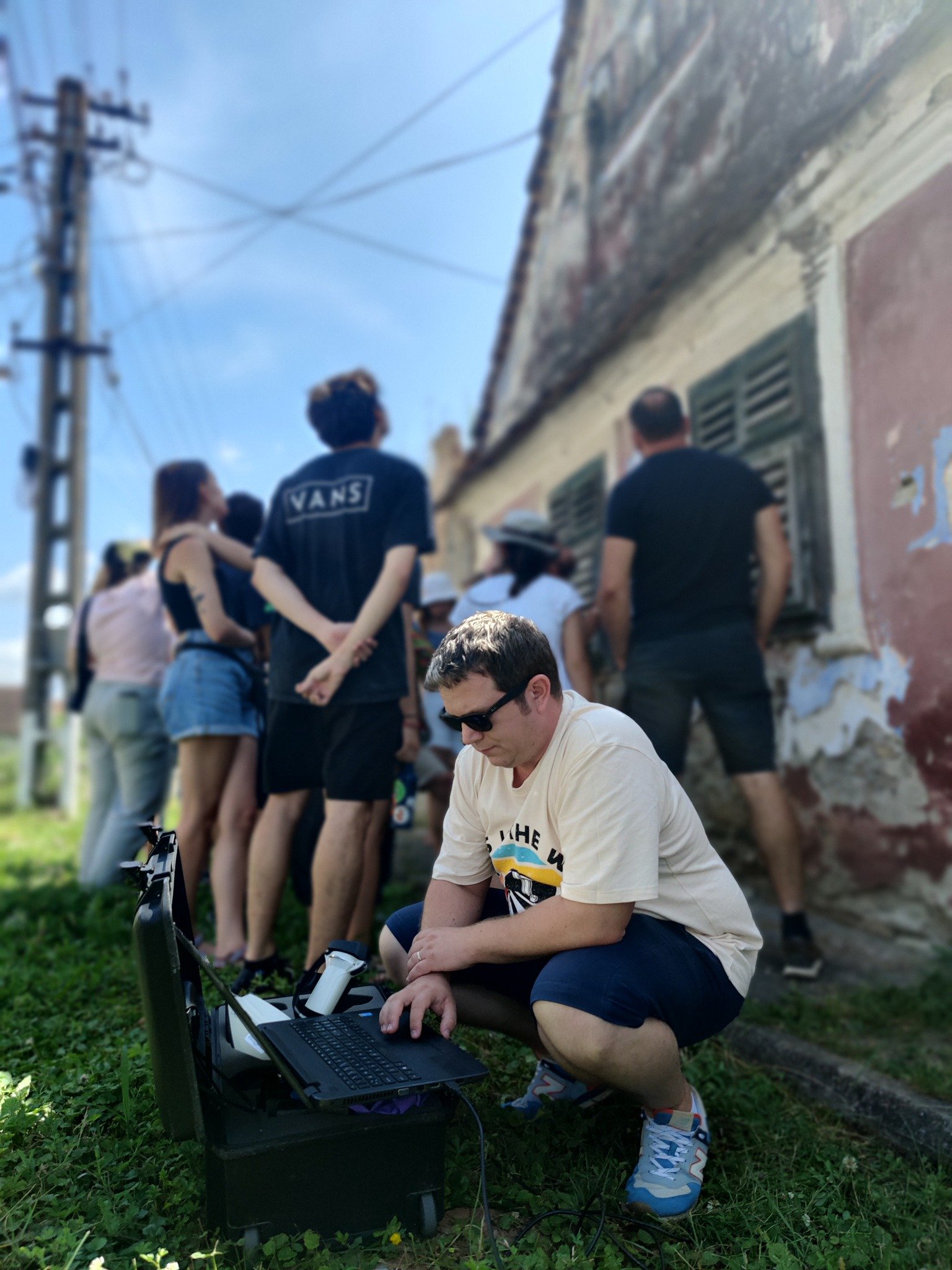
Archaeometry
Heritage science focused on archaeological applications: non‑destructive analysis of artefacts, specialised metal alloy studies, and collaborative projects with museums and archaeology institutes.
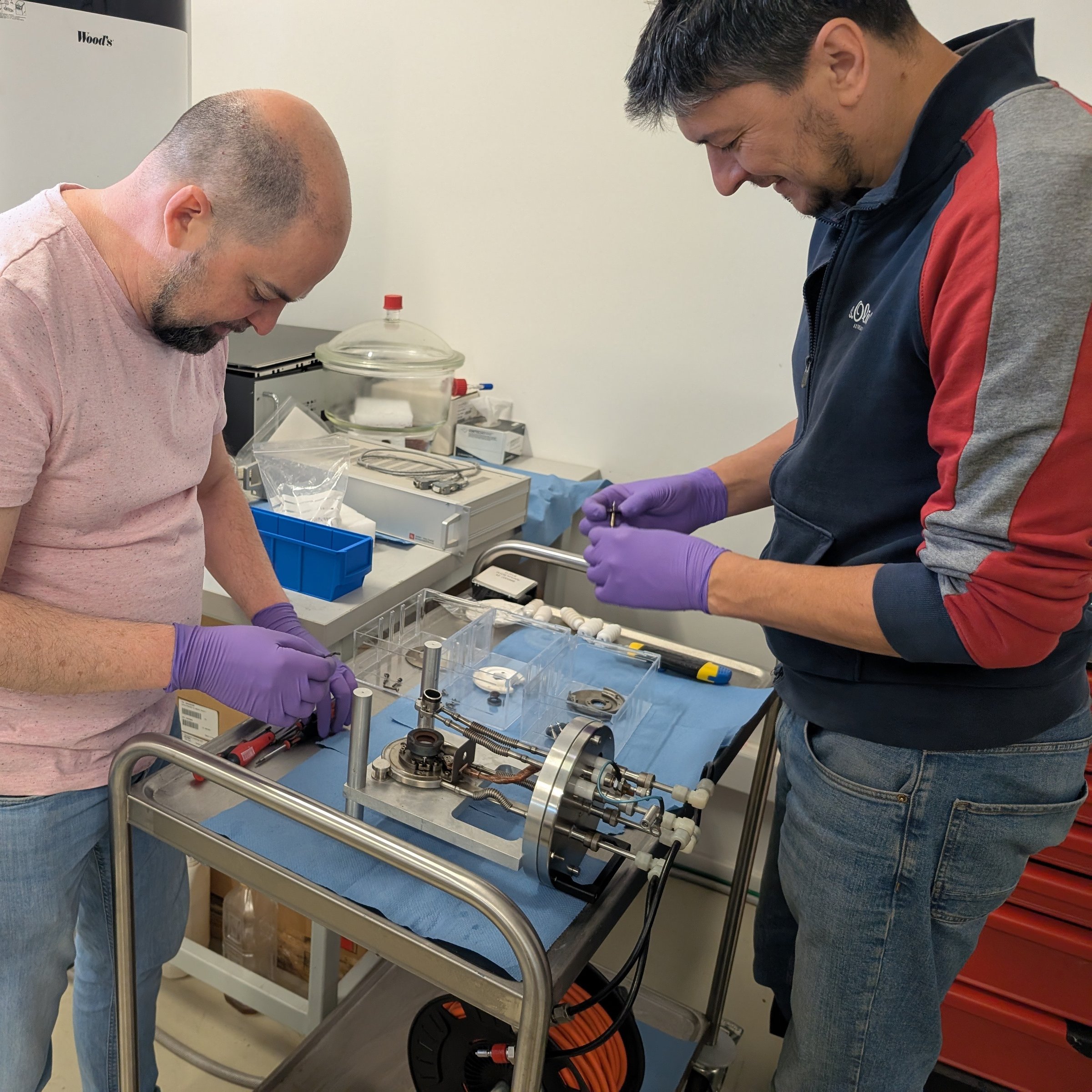
RoAMS
Romania's Accelerator Mass Spectrometry laboratory. Radiocarbon dating and cosmogenic isotope measurements for archaeology, geology, geography, palaeoclimate and environmental research — built on one of DFNA's most interdisciplinary teams.
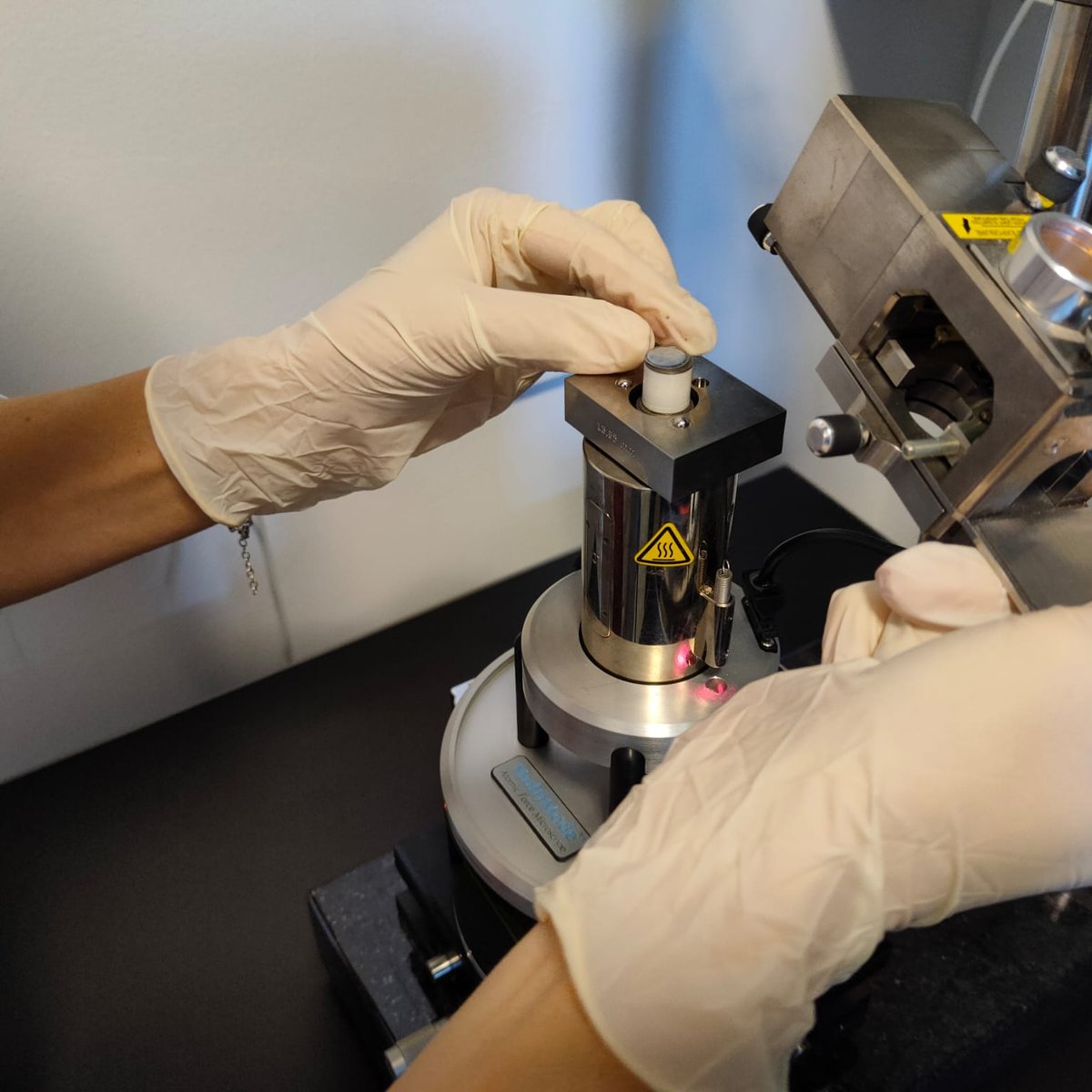
Matter under Radiation
Our characterisation and radiation-testing platform, built on TIESR. We image and analyse matter from the millimetre to the atom, then test how materials and living systems respond to radiation — the connective tissue serving every other direction.
Research Projects
Innovative projects advancing nuclear science and technology
Ongoing Projects
Ongoing research initiatives driving innovation
ANNEAL
Athermal Annihilation of Defects in Ge using Extreme Radiation Environments: Myth or Reality?
Research Team
Research Objectives
This fundamental research project advances scientific knowledge on annihilation processes of defects induced by ion implantation in semiconductors. As a precursor study, it contributes decisively to the optimisation of processing protocols employed in the semiconductor industry.
The project focuses on experimental validation or invalidation of the hypothesis that the AIIA process does not hinder the formation of B- or P-doped junctions—an area of research that remains insufficiently explored. The outcomes will enhance the visibility and impact of our research group within the international scientific community.
Dissemination
- Peer-reviewed scientific articles
- International conference presentations
Contact
ATOM
Ga2O3 — The New Kid in the Class of Radiation-Tolerant Semiconductors
Research Team
Research Objectives
Employing controlled irradiation to engineer defect states and phase stability in Ga2O3, a wide-bandgap semiconductor for advanced electronic and radiation-tolerant device applications.
- Multi-stage damage evolution studies using intermediate and swift heavy-ion irradiation
- Characterisation of defect formation, phase stability and self-healing behaviour
Published Results
D. Iancu et al., Intrinsic property of defective β-Ga2O3 to self-heal under ionizing irradiation, Scripta Materialia 268 (2025).
Contact
MaDeIRo
Development of an Innovative Matrix Detector for Ions
Research Team
Research Objectives
Creating a semiconductor-based, position-sensitive ion detector for CRYRING@GSI, built on silicon or CVD diamond, and characterising how the detector material evolves under irradiation.
- Material characterisation
- Detector development and testing
- Commissioning and installation
Contact
Past Projects
Completed research initiatives and their achievements
SPACERAD
An Innovative Ion Irradiation Platform for Exploring Nano-Satellites Resilience to Space Radiation
Research Team
IFIN-HH Team
Ion Burducea, Marta Petruneac, Decebal-Alexandru Iancu, Mihai Straticiuc, Gihan Velişa, Dan Gabriel Ghiță, Andrei-Theodor Hotnog, Mircea Lechințan, Radu Florin Andrei, Marin Focșăneanu
MAZAROM Team
Adrian Totu, Cosmin Gogu, Marius-Constantin Simion, et al.
Research Objectives
- Development and calibration of an experimental platform for radiation resistance testing
- Testing and monitoring of microelectronic devices and integrated circuits using thermal imaging camera
- Characterization before and after irradiation using computed tomography
- Testing and validation of ion beam irradiation configuration for CARD-SAT nano-satellite electronic components
Dissemination
- A.T. Hotnog et al., Design and Implementation of an Ion Irradiation Platform for Radiation Hardness Testing at the 3 MV Tandetron™ from IFIN-HH, Romanian Journal of Physics 71, 303 (2026)
- A second article under peer review at Nuclear Instruments and Methods in Physics Research B
- Presented at IBMM-24 (Helsinki), ECAART 15 (Zurich) and BPU 12 (Bucharest)
- Open Day at the 3 MV Tandetron for physics students, June 2026
Outcome
All planned objectives were met. The platform and its universal radiation-hardness test protocol were validated on silicon samples and on electronic components of the CARD-SAT nano-satellite, raising the system from TRL 3 to TRL 4.