Specs at a glance
Key parameters of the RoAMS 1 MV Tandetron
| Manufacturer | High Voltage Engineering Europe (HVEE) — sixth 1 MV AMS system delivered by HVEE worldwide |
|---|---|
| Commissioned | May 2012 — Romania's only dedicated AMS installation |
| Type | 1 MV Cockcroft–Walton tandem accelerator (TandetronTM) |
| Ion sources | Two SO110B Cs sputter sources, 50-sample carousel each (one dedicated to 14C, one for other isotopes) |
| Stripping | Argon gas stripping in the terminal (typ. 1.6–4×10⁻³ mbar) |
| Analysers | Injection 90° magnet with bouncer + low-energy ESA; high-energy 90° magnet + 120° high-energy ESA |
| Detector | Two-anode gas ionization chamber operating as an E–ΔE telescope |
| Sensitivity | Element-dependent: ~10−15 for 14C, ~10−13 for 129I, fg–ag detection limits for actinides |
| Isotopes | Routine: 14C, 10Be, 26Al, 129I, 239,240,241,244Pu · Less frequent: 3H, 11B/12C, 241Am, 137Cs |
| Laboratory code | RoAMS — recognised by the Radiocarbon journal since 2015 (ISO 17025 procedures) |
| Throughput | ~1000 radiocarbon samples dated per year; ~70 % of allocated beam time to 14C |
| Part of | Tandem Accelerator Complex (TAC) at IFIN-HH (1 MV + 3 MV + 9 MV FN), IOSIN national infrastructure |
What is AMS?
Some atoms are so rare that ordinary instruments never see them — a single radioactive atom can hide among a million billion ordinary ones. Counting those needles in that haystack is exactly what this lab does. Accelerator Mass Spectrometry (AMS) is the most sensitive method for isotopic ratio analysis. Using a tandem particle accelerator, the spectrometer counts ions of the isotope of interest one by one. The tandem configuration breaks molecular species with the same nominal mass, suppressing molecular interferences and enabling ultra‑low detection limits.
Sensitivity Sensitivity depends on the element being measured. For 14C the system reaches rare/abundant isotope ratios of ~10−15 — effectively identifying a single atom among one million billion others; for 129I the routine detection limit is ~10−13, and for actinides such as 239,244Pu and 241Am detection limits reach the femtogram–attogram range. This capability unlocks applications across medicine, archaeology, palaeogeomorphology, geology, atmospheric physics, palaeoclimatology, nuclear astrophysics, environmental monitoring, nuclear forensics and safeguards.
Applications and isotopes
From tracing climate to dating artefacts and monitoring the environment
The facility was commissioned in 2012 for the routine isotopes 14C, 10Be, 26Al and 129I. Over the past decade, the measurement programme has been progressively expanded to cover boron (11B/12C in graphite), tritium (3H), plutonium isotopes (239,240,241,244Pu) and americium (241Am), with 137Cs and additional actinides under development.
- Archaeology: radiocarbon dating and provenance studies.
- Earth sciences: erosion rates, geomorphology, and sediment transport using 10Be and 26Al—including dating glacier retreat in Antarctica.
- Atmosphere and palaeoclimate: tracing processes with cosmogenic nuclides.
- Medicine and biology: tracer studies with extreme sensitivity.
- Environment and fallout monitoring: 129I, 137Cs and Pu/Am in waters, sediments, biota and building materials.
- Nuclear forensics, safeguards and astrophysics: ultra-trace actinide detection (e.g. 244Pu in fossil stromatolites).
- Fusion materials: 3H depth profiling in tokamak components.
Key capabilities
- Rare/abundant isotope ratio down to ~10−15.
- High selectivity via molecular breakup and charge‑state analysis.
- 3H measurements and 2H/3H depth profiling for fusion materials.
- Dedicated chemistry lab for sample processing.
Typical isotopes
14C, 10Be, 26Al, 129I, 239,240,244Pu, 241Am, 3H, 11B/12C — and more under development.
Inside the machine
Layout and components of the 1 MV AMS installation
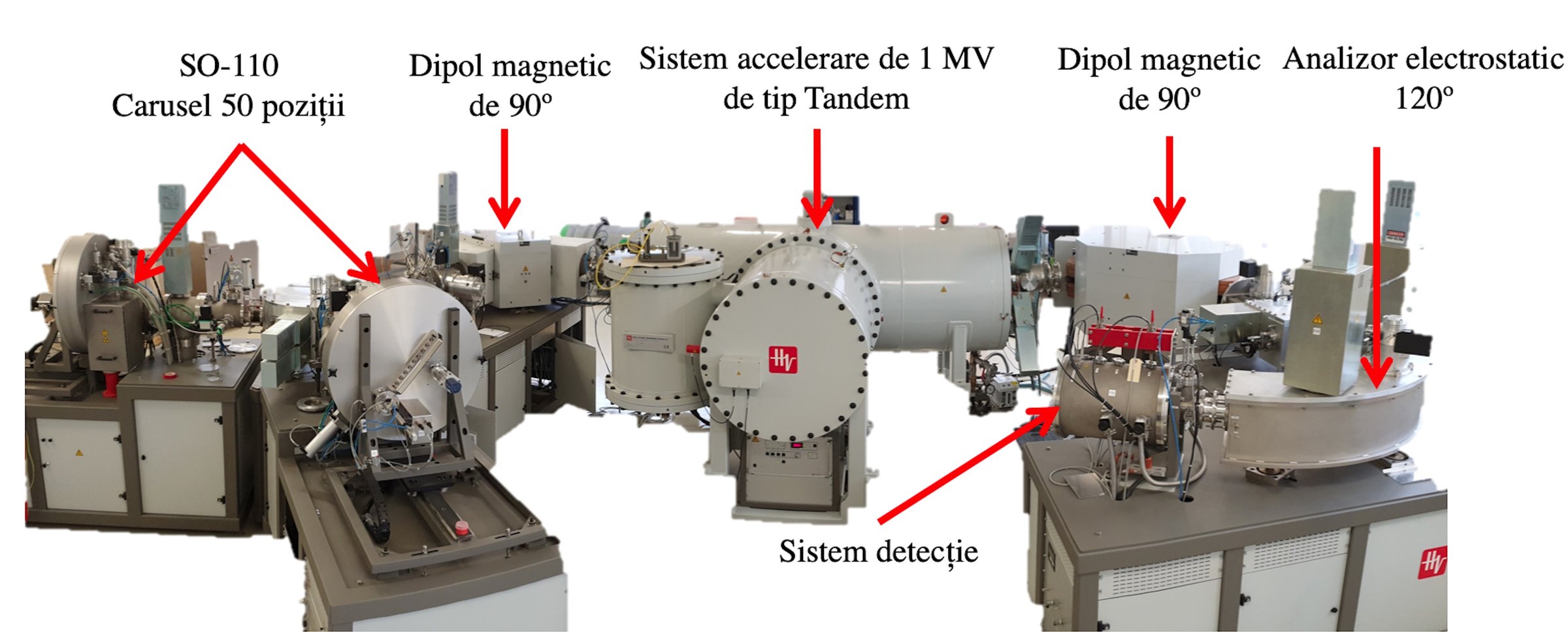
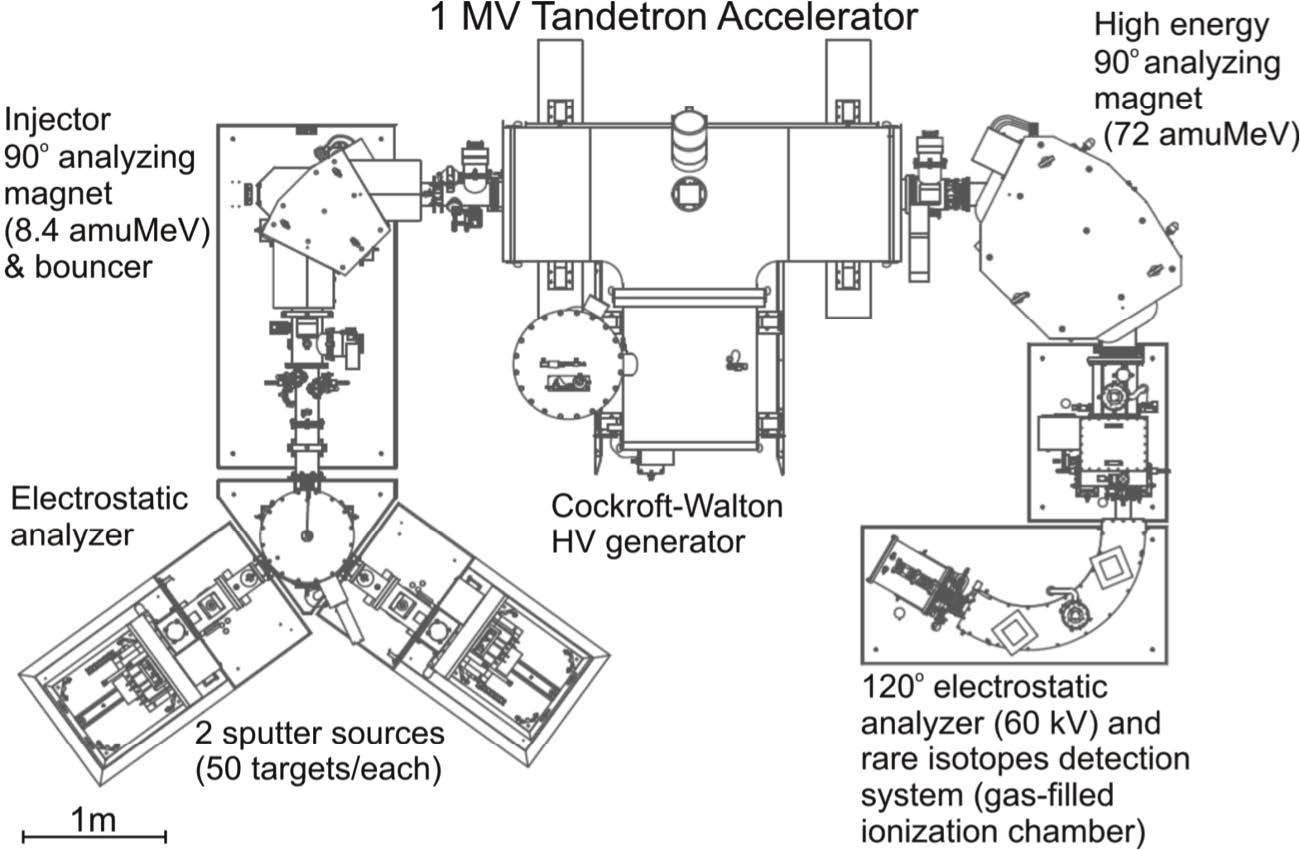
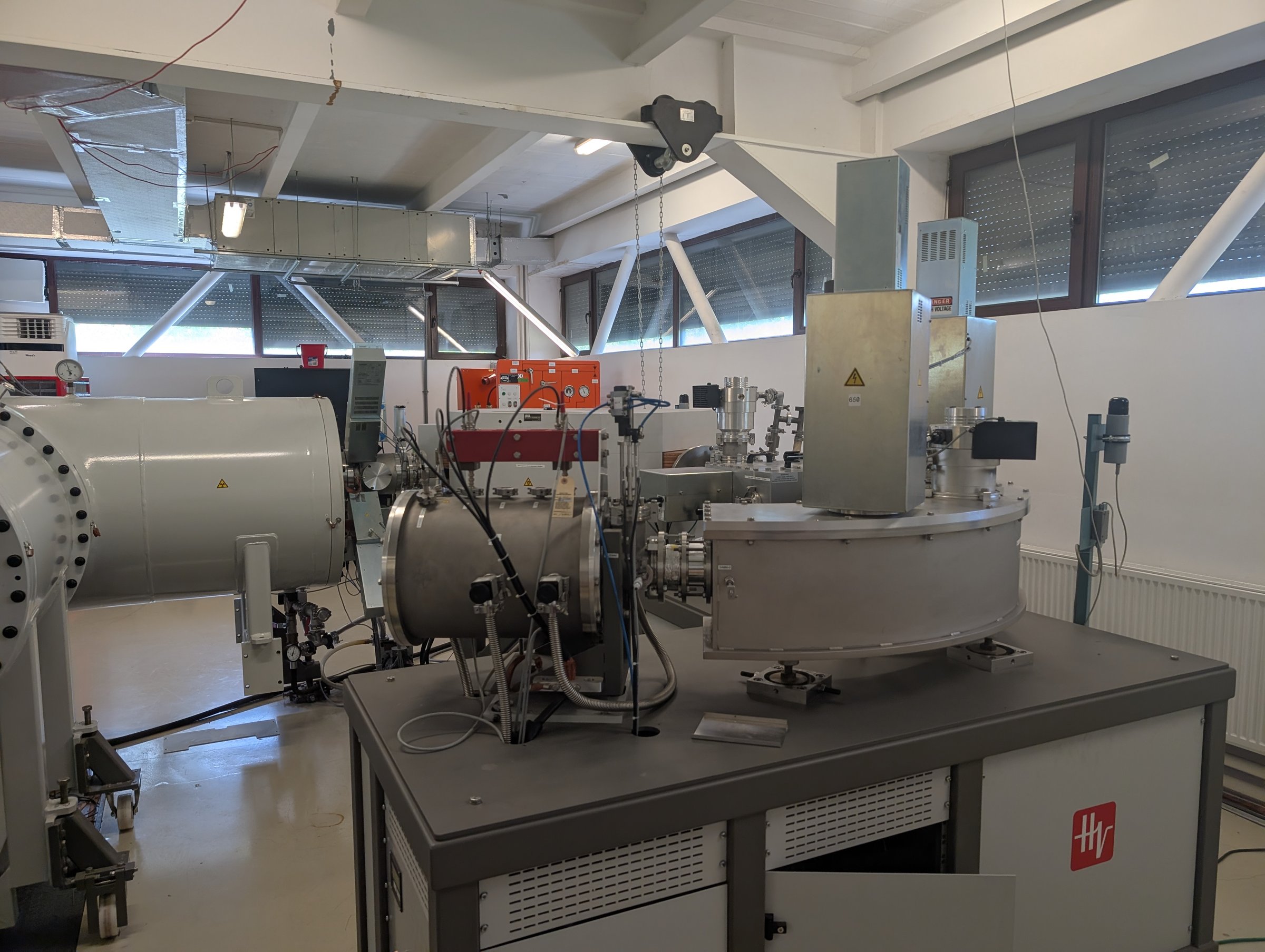
AMS in Romania has a long tradition: the first facility (1998) was built on the IFIN-HH 9 MV FN tandem and was the first of its kind in Eastern Europe, performing pioneering depth-profiling of tritium and deuterium in tokamak wall plates and divertors from JET, ASDEX and TORE SUPRA — work carried out as part of IFIN-HH's involvement in the JET and ITER fusion programmes (EURATOM). The dedicated 1 MV AMS Tandetron, installed in May 2012 by High Voltage Engineering Europe (HVEE), now sits alongside the 3 MV Tandetron and the 9 MV FN inside the Tandem Accelerator Complex (TAC) — an IOSIN national infrastructure open to Romanian and international users via a Programme Advisory Committee. The setup comprises:
- Two negative ion sources.
- Low‑energy magnetic dipole.
- 1 MV tandem acceleration system with TandetronTM high‑voltage generator.
- High‑energy magnetic dipole and electrostatic analyser.
- Multi‑anode ionization chamber for charged‑particle detection.
Initially commissioned for 14C, 10Be, 26Al and 129I, the facility has since expanded into boron in graphite, tritium in metal hydrides, and ultra-trace actinide analysis — including the 239,240,241,244Pu isotopic system and 241Am — with mass switching handled by Slow Sequential Injection (SSI).
Reference Stanciu, Petre, Pacesila, Enachescu, Stan-Sion & Mosu, A decade of 1 MV accelerator mass spectrometry in Romania — expanding the range of measurable isotopes, Nucl. Instr. Meth. B 572 (2026) 165979.
AMS components
From negative ions to rare isotope identification
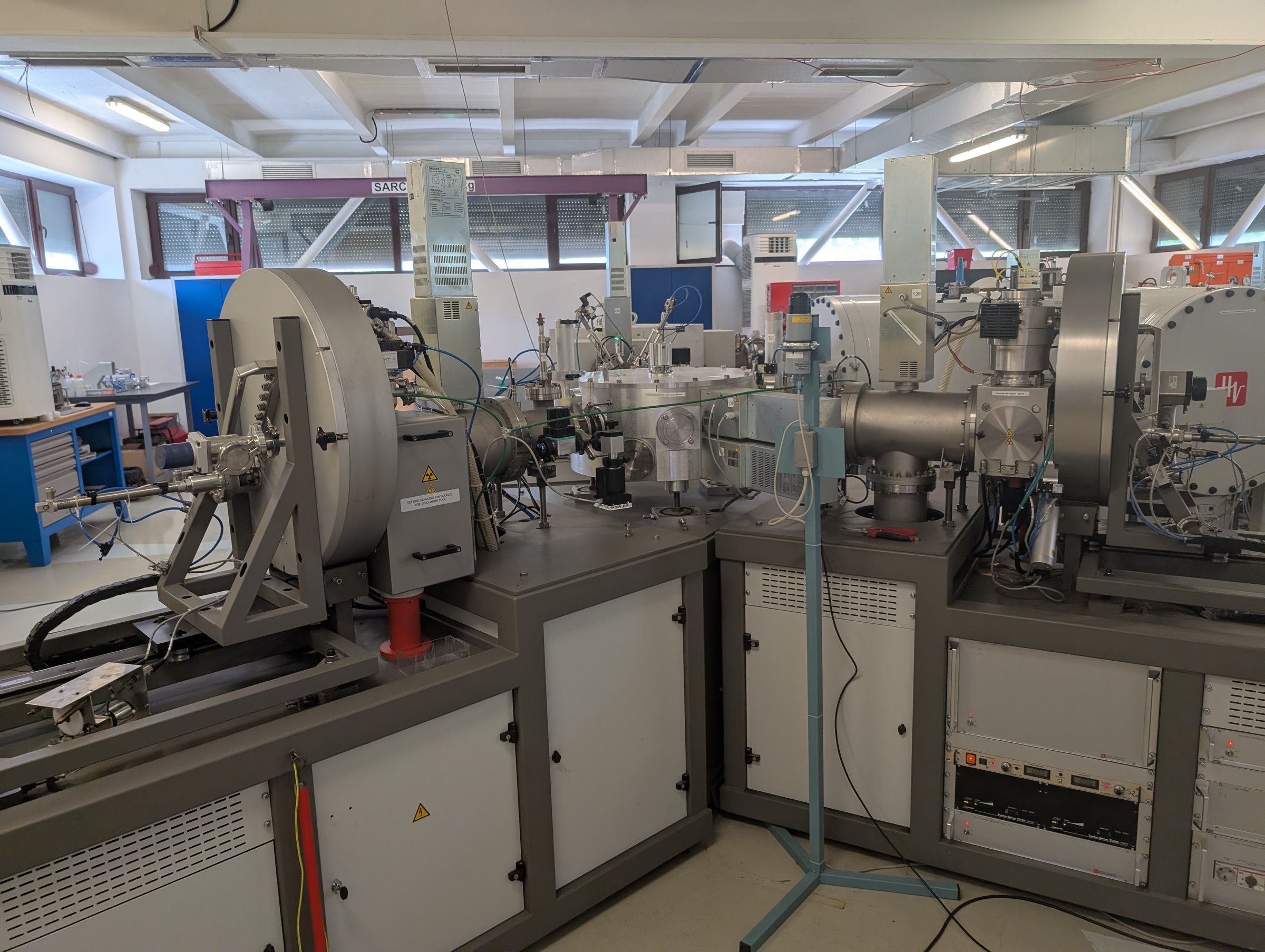
Cs sputtering ion source
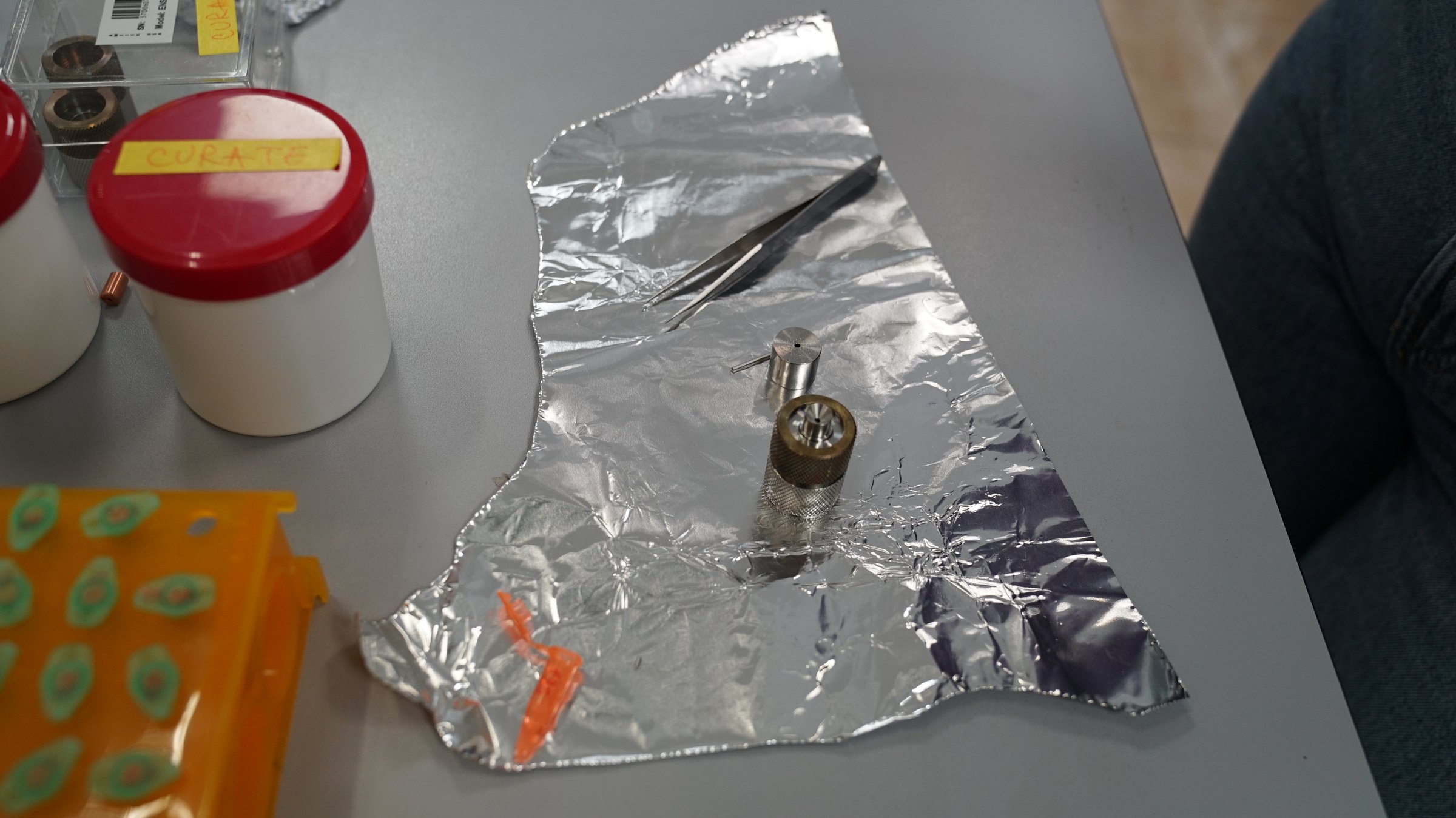
The Cs sputtering ion source produces beams of negative ions from a few milligrams of solid material. Atoms are sputtered from the sample by 133Cs ions generated on a hot spherical ionizer. Most samples cannot be measured directly; instead, they undergo dedicated chemical preparation. For radiocarbon, CO2 from the sample is converted to graphite by combustion or digestion, depending on the sample type.
RoAMS operates two 50-sample ion sources: one dedicated exclusively to 14C dating and one for other isotopes. Negative ions produced at the sample surface are extracted and guided along the low-energy beam line towards the first electrostatic analyser.
Injector magnet (bouncer)
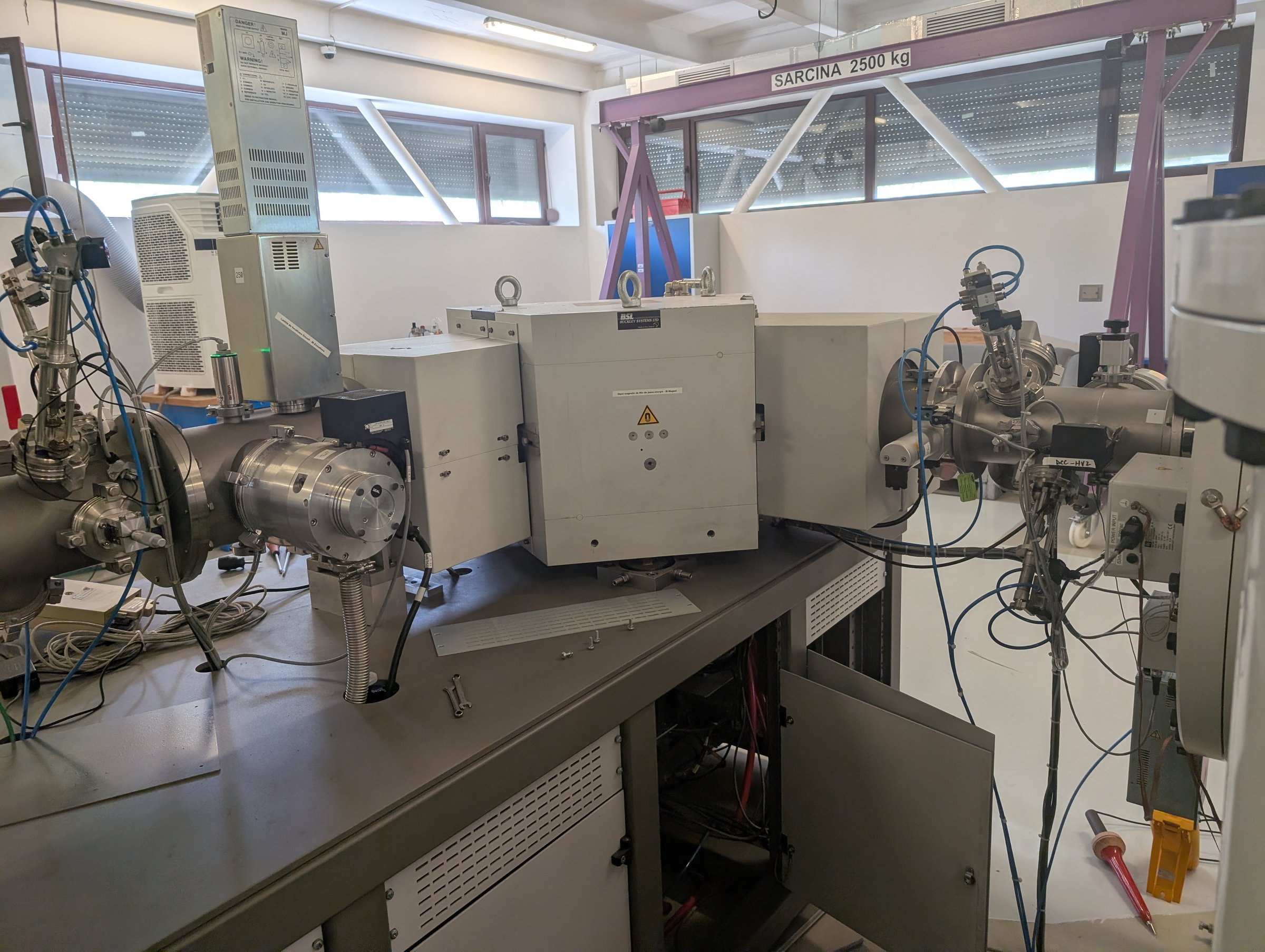
The injector magnet bends the negative ion beam by 90 degrees and selects the mass of interest according to its magnetic rigidity. A bouncer system allows rapid switching between different ion species (for example 12C, 13C, 14C) by applying a high voltage to the magnet chamber. This accelerates or decelerates the ions to maintain their 90 degree trajectory towards the accelerator for each mass setting.
1 MV Cockcroft-Walton Tandetron accelerator
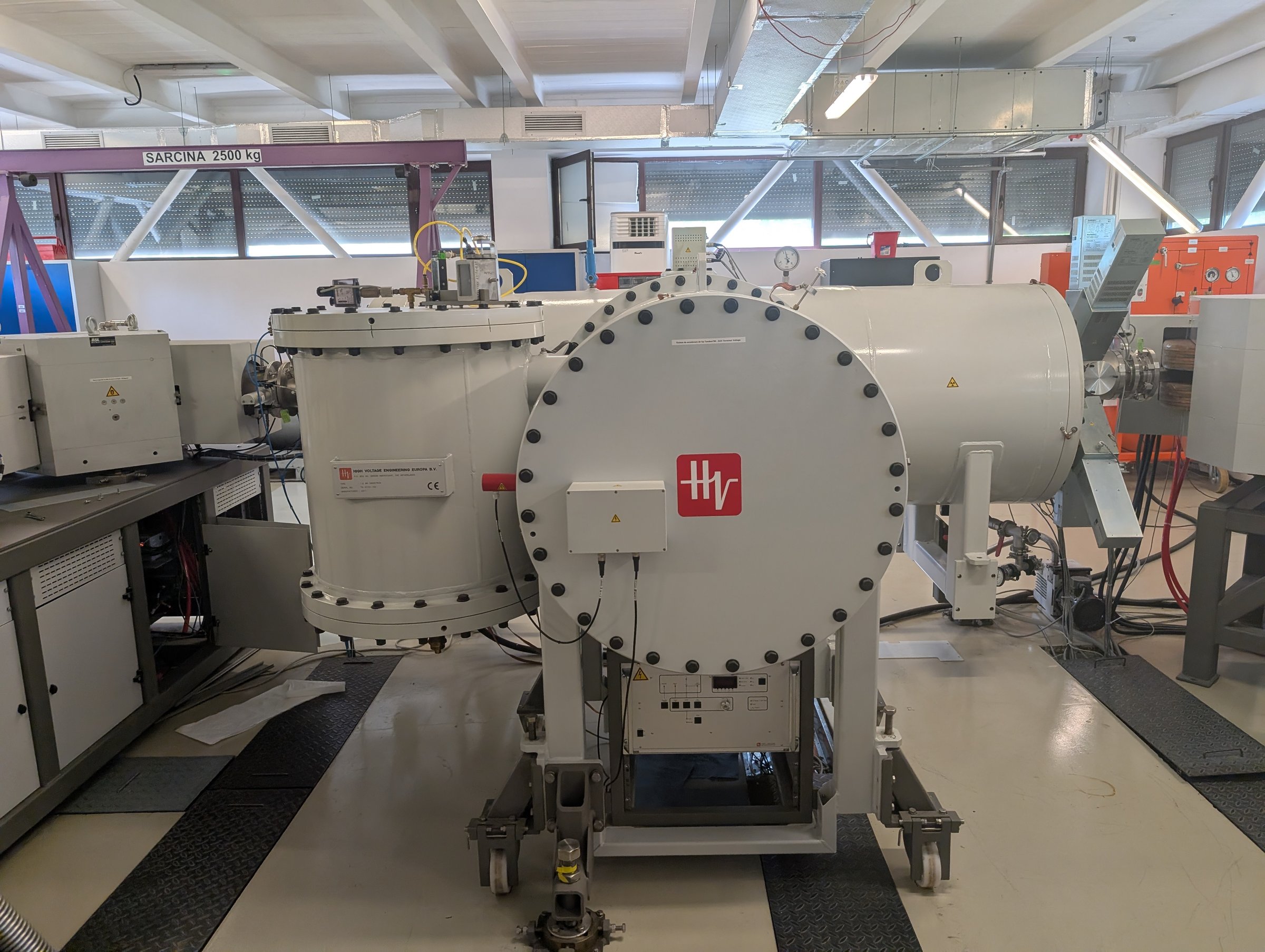
The central element of the system is a 1 MV electrostatic tandem accelerator driven by a Cockcroft-Walton high-voltage generator. Negative ions are injected into the accelerator and accelerated towards a positively charged terminal located in the middle of the tank. In this region, a stripping gas (argon) removes electrons from the ions, converting them into positive charge states.
Once stripped and positively charged, ions are further accelerated away from the high positive terminal towards ground potential at the exit of the accelerator. Their final energy depends on the terminal voltage and on the selected charge state, reaching the MeV range and allowing efficient separation and detection of rare isotopes.
The analysing magnet
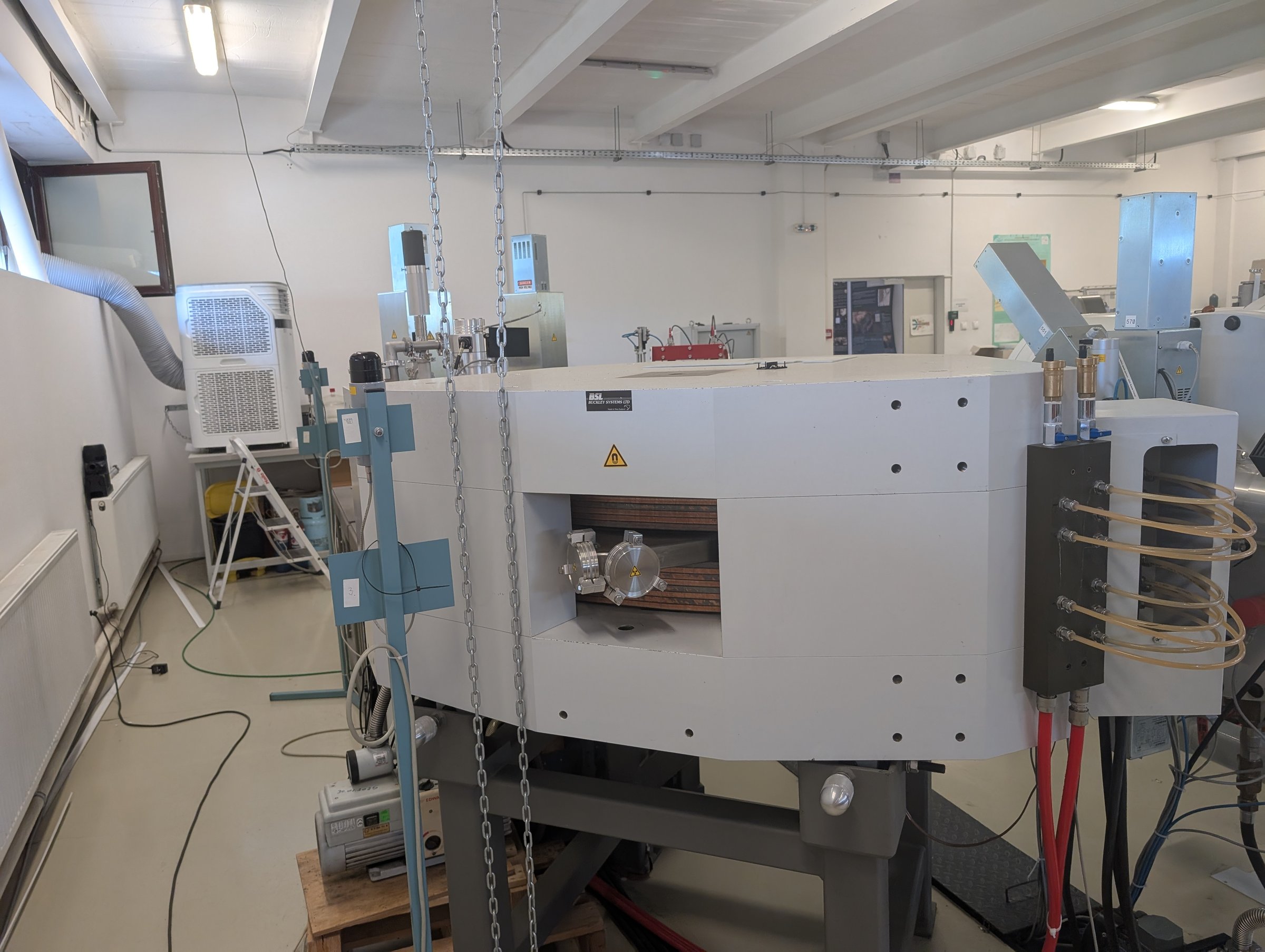
After stripping in the accelerator, the ion beam emerges as a mixture of charge states, each with a slightly different energy. The high-energy analysing magnet selects ions with a given momentum-to-charge ratio (p/q) and deflects them by 90 degrees. Using two sets of micrometric slits, the magnet isolates the ion species of interest, such as 13C from the rest of the beam, acting as a precise mass and charge filter.
Low-energy and high-energy electrostatic analysers (ESA)
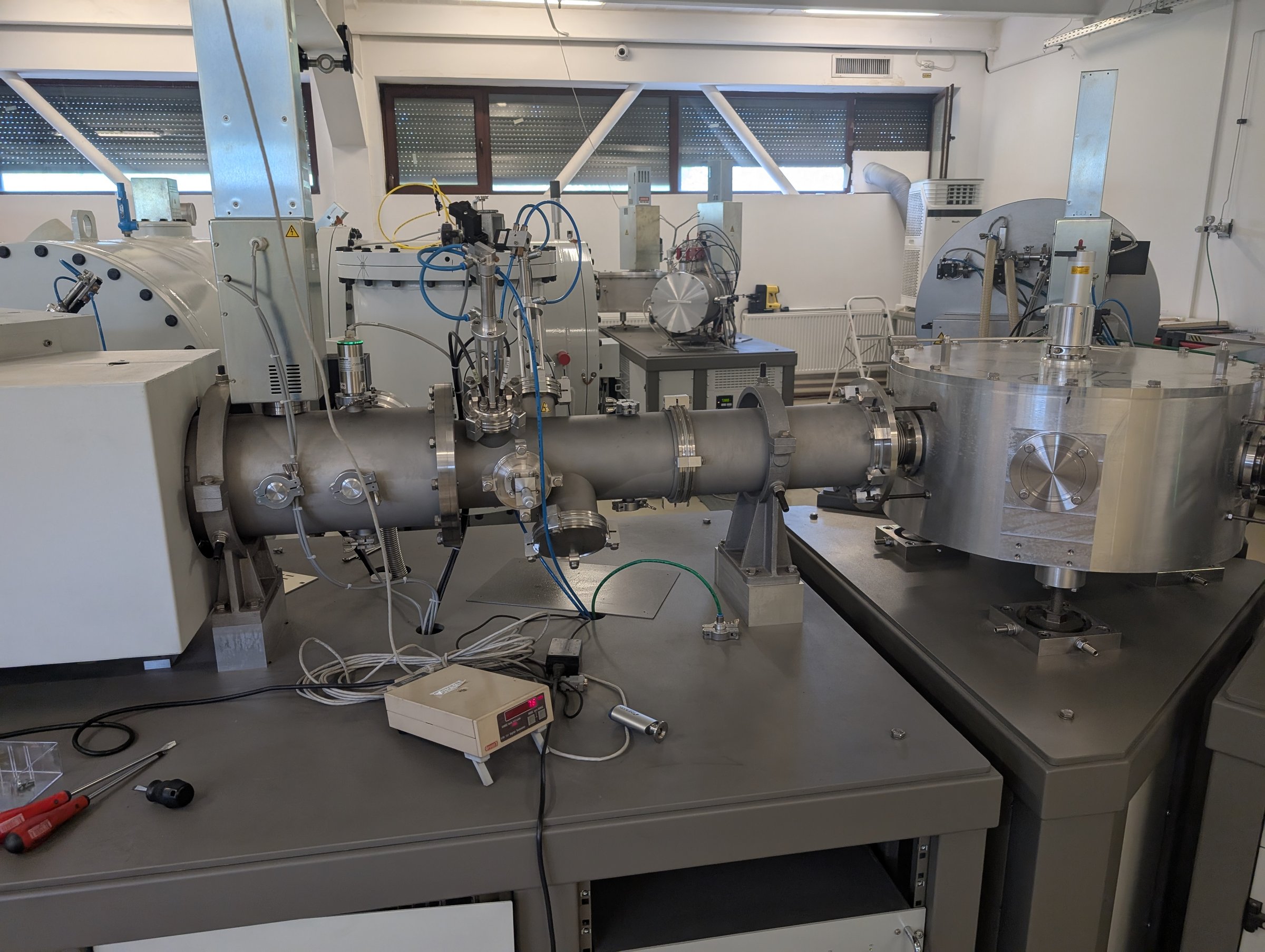
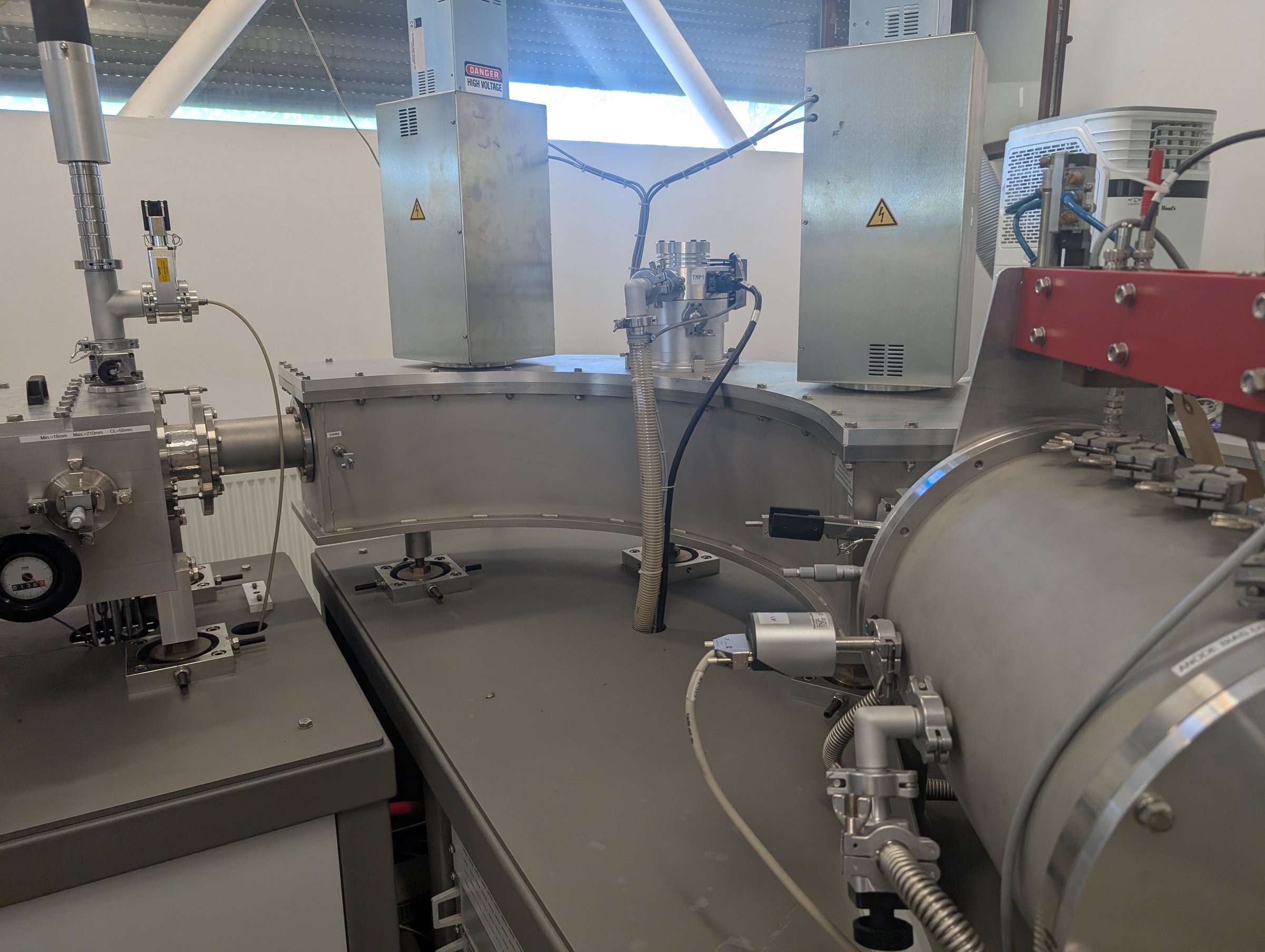
Electrostatic analysers use curved, polarized plates to create an electric field sector that selects particles according to their energy. At RoAMS, one ESA is installed on the low-energy side and another on the high-energy side.
The low-energy ESA is primarily used to switch between the two ion sources and to perform coarse energy selection, while the high-energy ESA further purifies the beam by selecting ions with the correct energy-per-charge (E/q) and removing ions that received the wrong energy or molecular fragments that survived stripping and magnetic analysis.
Gas ionization chamber
The rare isotope beam is finally measured in an E–ΔE gas ionization detector. By recording both the energy loss (ΔE) and the residual energy (E) of each incoming ion, the detector identifies the element via its atomic number Z and discriminates against light isobars that survive the magnetic and electrostatic filters.
Combined with the mass and charge selection performed upstream by the analysing magnet and the electrostatic analysers, this enables measurement of extremely low abundances of rare isotopes such as 14C, 10Be, 26Al, 129I, 239,240,244Pu and 241Am.
Radiocarbon dating
From cosmic-ray production to AMS measurements at RoAMS
The carbon isotope with mass number 14, known as radiocarbon (14C), is a radioactive isotope with broad applications across the sciences. Its use as a "clock" for determining the age of archaeological, historical, and environmental samples is one of the most important tools available to modern archaeometry.
Willard F. Libby first proposed the radiocarbon dating method in 1946, and successfully applied it in 1949, publishing the first radiocarbon dates in the journal Science. For this work he received the Nobel Prize in Chemistry in 1960. Since then, radiocarbon dating has fundamentally changed our understanding of human and environmental history.
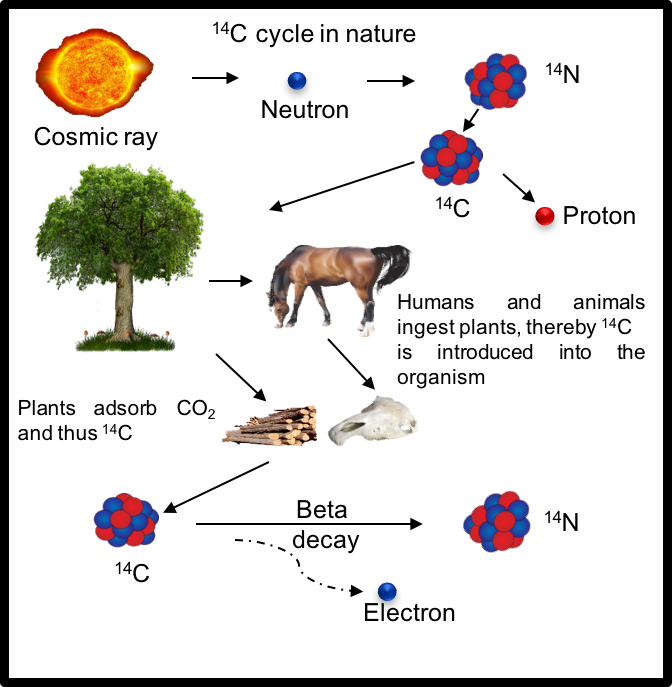
In the upper atmosphere, secondary neutrons produced by high-energy cosmic rays interact with nitrogen, producing 14C. The resulting radiocarbon quickly oxidizes to CO2 and enters the global carbon cycle. Plants and animals continuously exchange carbon with their environment and reach an equilibrium level of 14C (about 1.2×10⁻¹² relative to 12C). When an organism dies, this exchange stops and the 14C content decreases with time according to the radioactive decay law, with a half-life T1/2 = 5730 years.
From 1949 to 1977, radiocarbon dating relied on radiometric techniques. Since 1977, the use of AMS has revolutionized the field by reducing required sample sizes (from grams to milligrams), shortening analysis times (including chemistry), and improving accuracy. AMS-based radiocarbon dating counts the number of 12C, 13C, and 14C atoms directly, providing precise isotopic ratios.
Radiocarbon dating at RoAMS
The RoAMS radiocarbon dating laboratory at IFIN-HH uses a 1 MV Tandetron accelerator (High Voltage Engineering Europe) to perform high-sensitivity AMS measurements.
- Direct atom counting of 12C, 13C, and 14C.
- Isotope ratios measured down to ~10−15 for 14C/12C.
- Sample sizes from a few grams down to milligrams, depending on material.
- ~1000 samples dated annually — bones, wood, textiles, charcoal, sediment, carbonates and more.
- Procedures aligned with ISO 17025 and validated through the Glasgow International Radiocarbon Inter-comparison (GIRI) and the Sixth International Radiocarbon Inter-comparison (SIRI).
Research it powers
How the 1 MV AMS connects to DFNA's research directions
Sample prep All AMS targets are prepared in the DFNA Chemistry Laboratory.
Sampling guidelines
How to prepare and send samples to the RoAMS laboratory
Proper sampling and packaging are essential for reliable radiocarbon and AMS measurements. The recommendations below indicate typical sample amounts and how to store and ship materials to RoAMS. When in doubt, please contact us in advance to discuss your specific case.
Bones
Recommended amount
- 4 g of well-preserved bone (minimum 2 g of pure material).
- 2–10 g of heat-treated bones.
- 2–10 g of charred bones.
- 10 g of cremated bones.
- 1–2 teeth.
Storage and packaging
Wrap samples in aluminium foil and place them in a ziplock bag. Ship them in a protective box. Do not place paper, cellulose, or other organic materials in direct contact with the sample.
Wood
Recommended amount
- 300 mg (minimum 100 mg of pure material).
Storage and packaging
Wrap in aluminium foil, then place in a ziplock bag and ship in a box. Avoid direct contact with paper, cellulose, or other organic materials.
Charcoal
Recommended amount
- 150 mg (minimum 50 mg of pure material).
Storage and packaging
Wrap in aluminium foil, then place in a ziplock bag and protect in a box. Avoid contact with paper or other organic materials.
Groundwater
Recommended amount
- 250 mL – 1 L.
Storage and packaging
Use a single-use glass bottle and fill it completely to minimize gas exchange.
Peat
Recommended amount
- 450 mg (minimum 150 mg of pure material).
Storage and packaging
Wrap in aluminium foil, then place in a ziplock bag and ship in a box. Avoid direct contact with paper or other organic materials.
Sediment or soil
Recommended amount
- At least 2 g.
Storage and packaging
Wrap in aluminium foil, then place in a ziplock bag and protect in a box. Avoid contact with paper, cellulose, or other organic materials.
Seeds
Recommended amount
- 300 mg (minimum 100 mg of pure material).
Storage and packaging
Wrap in aluminium foil, then place in a ziplock bag and ship in a protective box. Avoid direct contact with paper or other organic materials.
Carbonates
Recommended amount
- 300 mg (minimum 100 mg of pure material).
Storage and packaging
Wrap sample pieces in aluminium foil, then place in a ziplock bag and ship in a box. Avoid contact with paper, cellulose, or other organic materials.
Textiles
Recommended amount
- 300 mg (minimum 100 mg of pure material).
Storage and packaging
Wrap textiles in aluminium foil, then place in a ziplock bag. Ship them in a protective box and avoid contact with paper, cellulose, or other organic materials.
Access, services, and visits
AMS analysis for professionals and outreach for education
AMS analysis and collaborations
Researchers and professionals from universities, research institutes, cultural heritage institutions, and industry are welcome to contact us to discuss AMS measurements at the RoAMS 1 MV Tandetron. The facility is particularly suited for radiocarbon dating and tracer applications in environmental and earth sciences, archaeology, and biomedicine.
Together with our team, we can help you identify the most appropriate isotope system, design a feasible measurement plan, and estimate experimental time and constraints. For enquiries and collaboration proposals, please use the contact details provided on the Contact page.
Visits for schools and universities
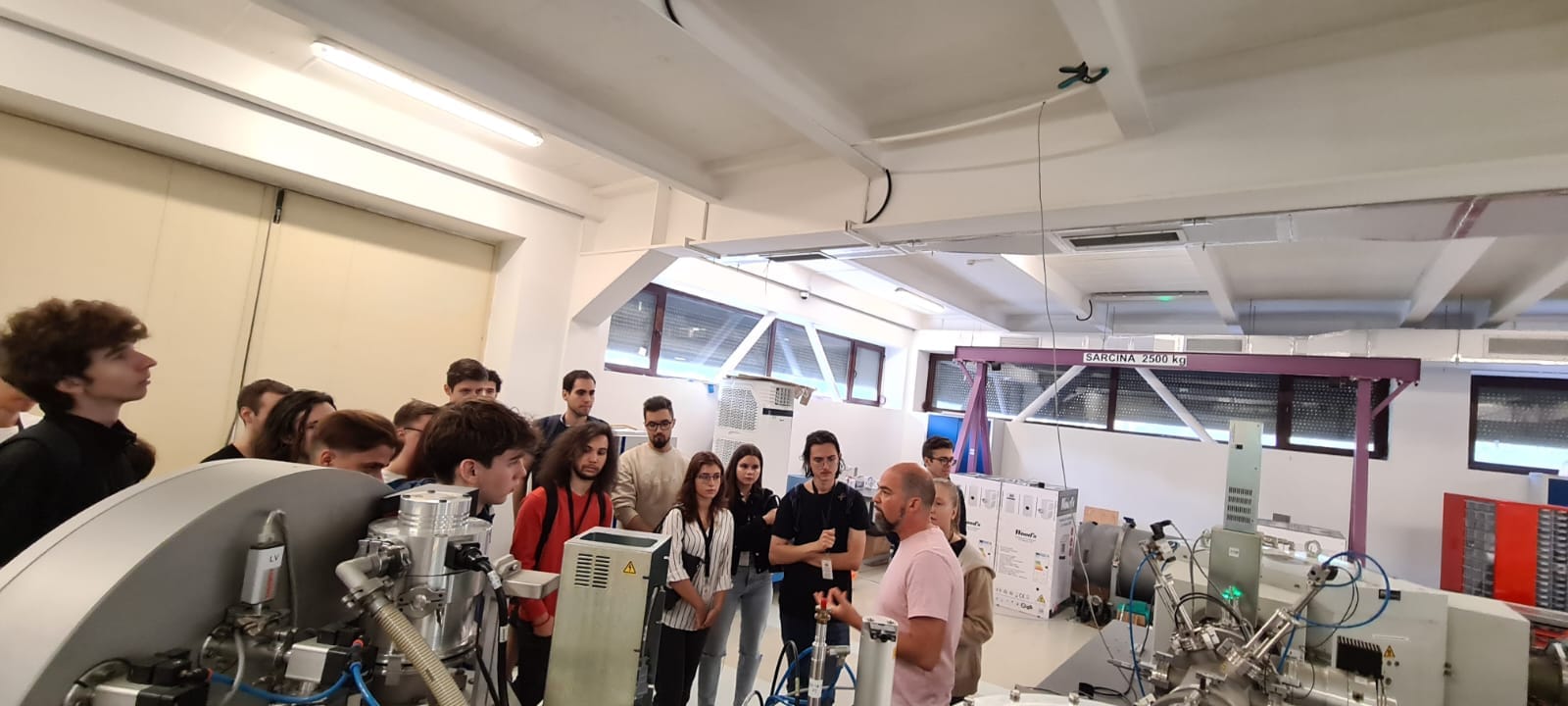
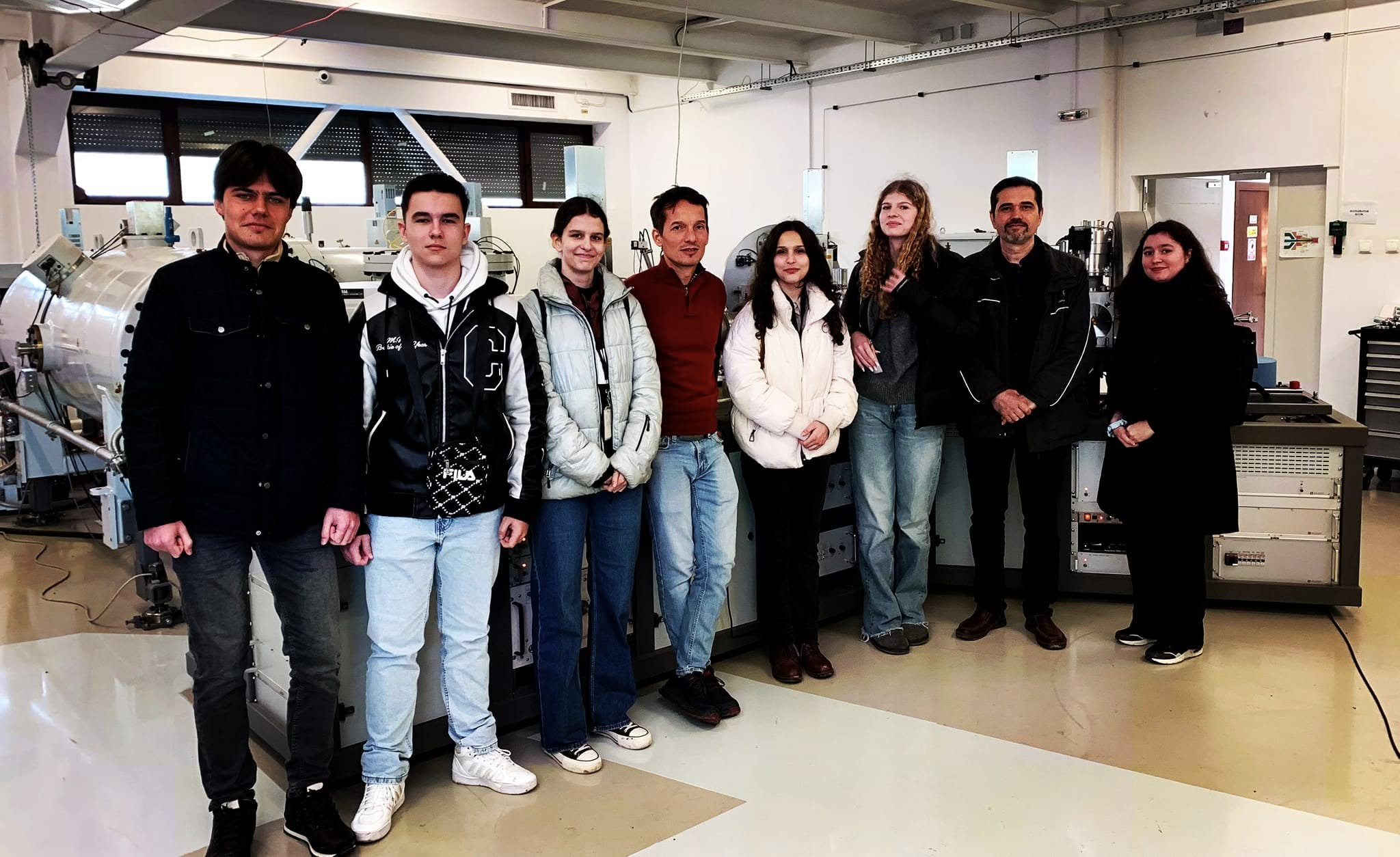
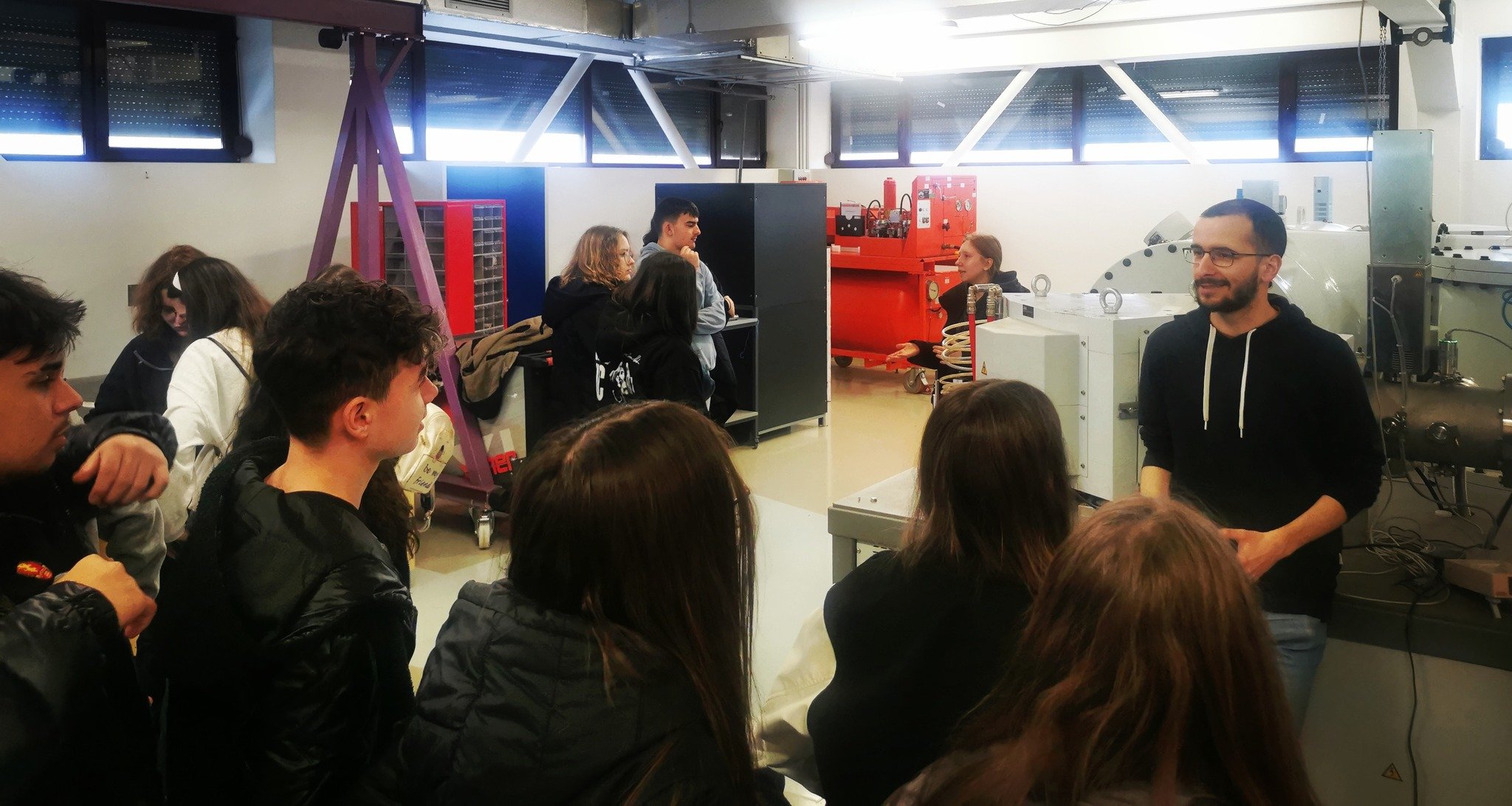
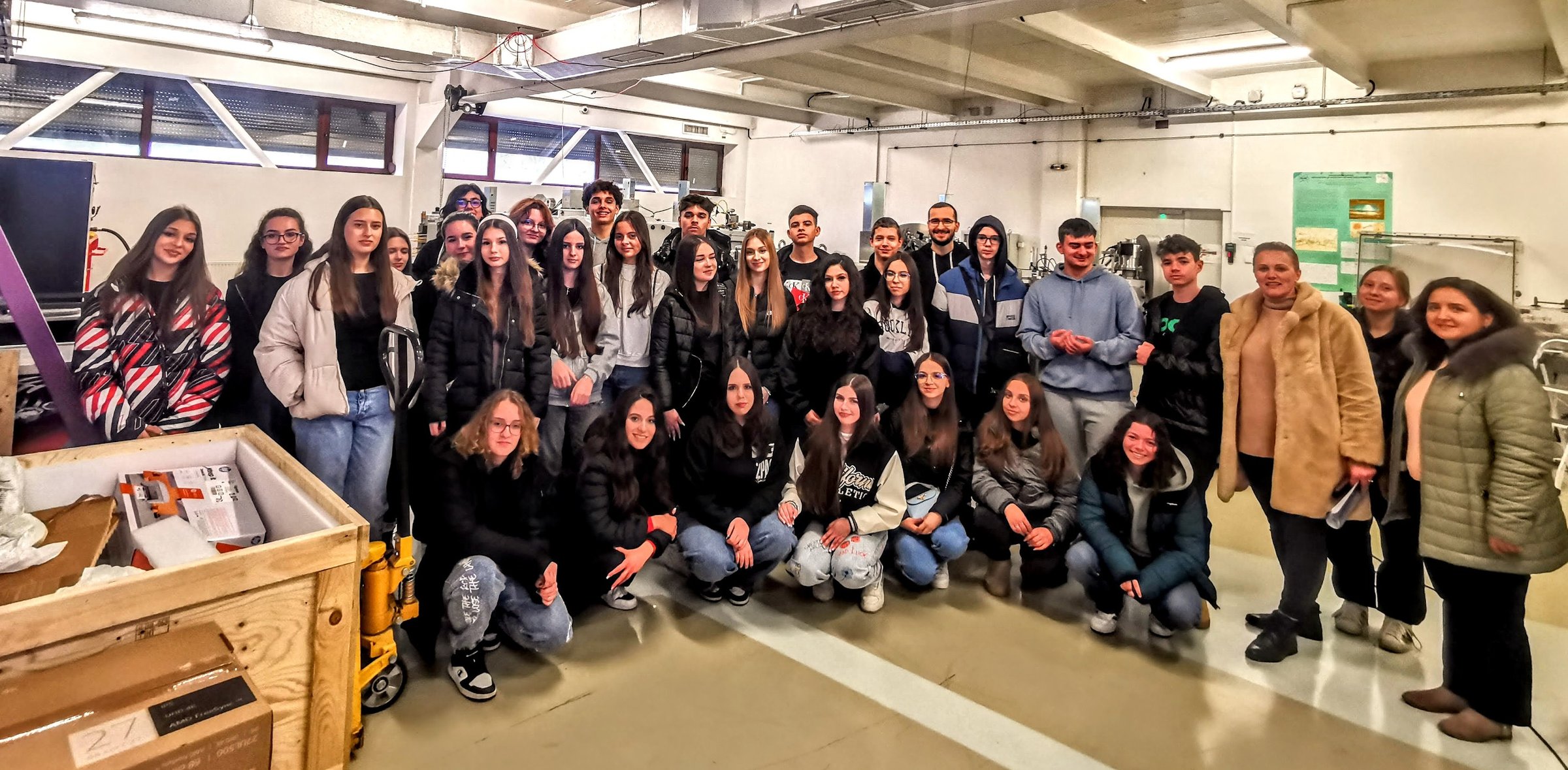
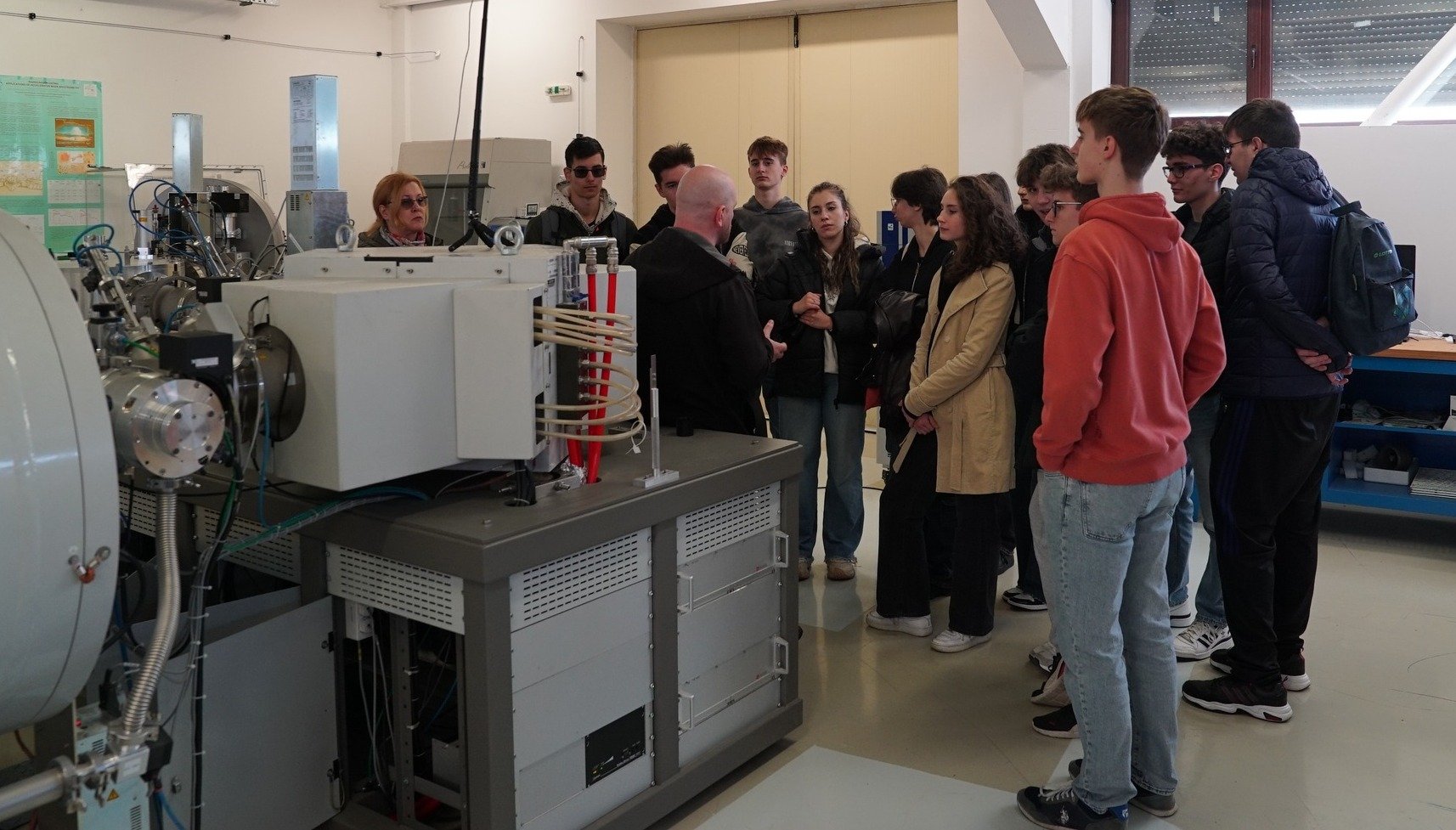
We regularly host guided visits for schools and universities who wish to see the RoAMS 1 MV AMS facility and learn how accelerator mass spectrometry is used in research and applications. Visits include an introduction to the basic principles of AMS, a tour of the accelerator and beam lines, and examples of scientific projects.
Visits can be organised throughout the year by prior arrangement. For the Romanian „Școala altfel” programme, places can be limited, so we strongly recommend that teachers and coordinators apply well in advance via the Contact page.
Gallery
Snapshots from RoAMS lab tours and outreach events