About
We put nuclear physics to work on real, everyday problems — in health, energy, the environment and our shared culture. As the Applied Nuclear Physics Department of IFIN‑HH, we carry that work into major international collaborations including CERN, FAIR and the IAEA.
Societal needs drive today's R&D. Nuclear physics offers elegant, practical solutions—from cleaner, resilient energy and novel cancer therapies to advanced materials with disruptive industrial potential. This pivotal work can spark immediate change and deliver benefits that endure for generations.
Core Values
A beacon of innovation and interdisciplinary research
Research
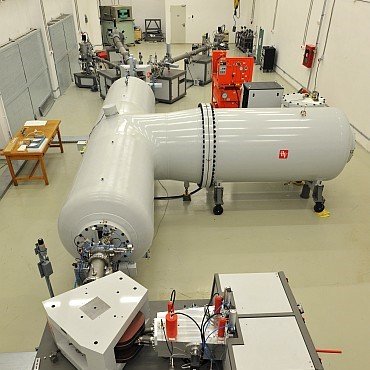
Pushing the boundaries of ion beam technology to create new materials with enhanced properties. Our state-of-the-art Tandetron accelerators are not just tools for analysis but also gateways to innovation in industries ranging from semiconductors to space science.
Innovate
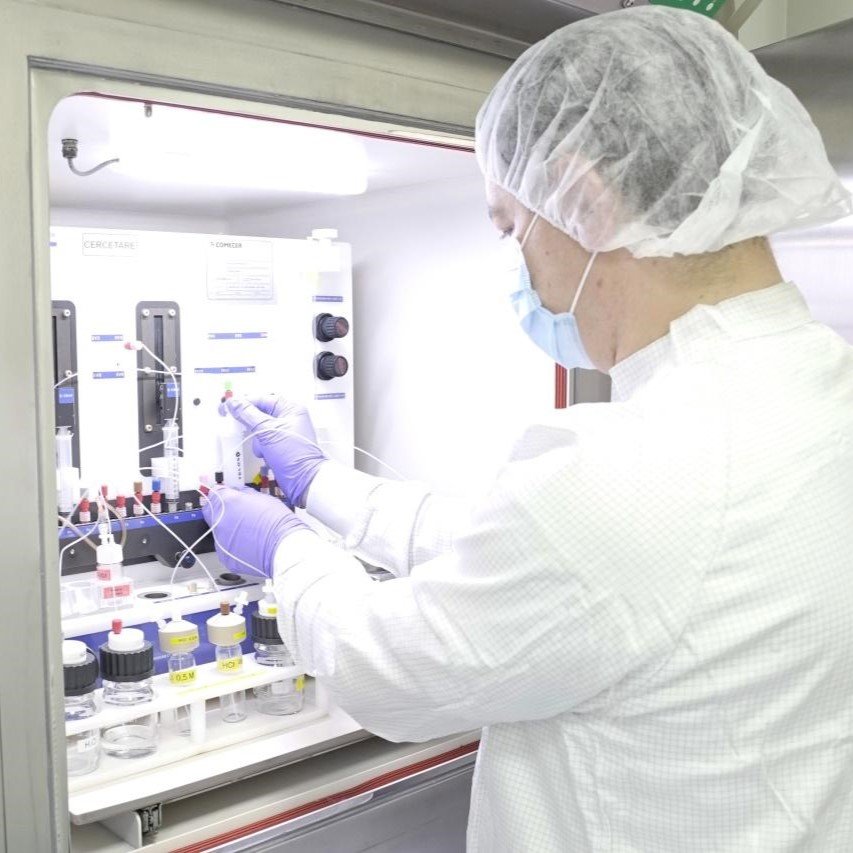
Developing cutting-edge radiopharmaceuticals for both imaging and targeted radiotherapy. Our research aims to bring personalized medicine to the forefront, offering new hope in the fight against cancer and neurological disorders.
Develop
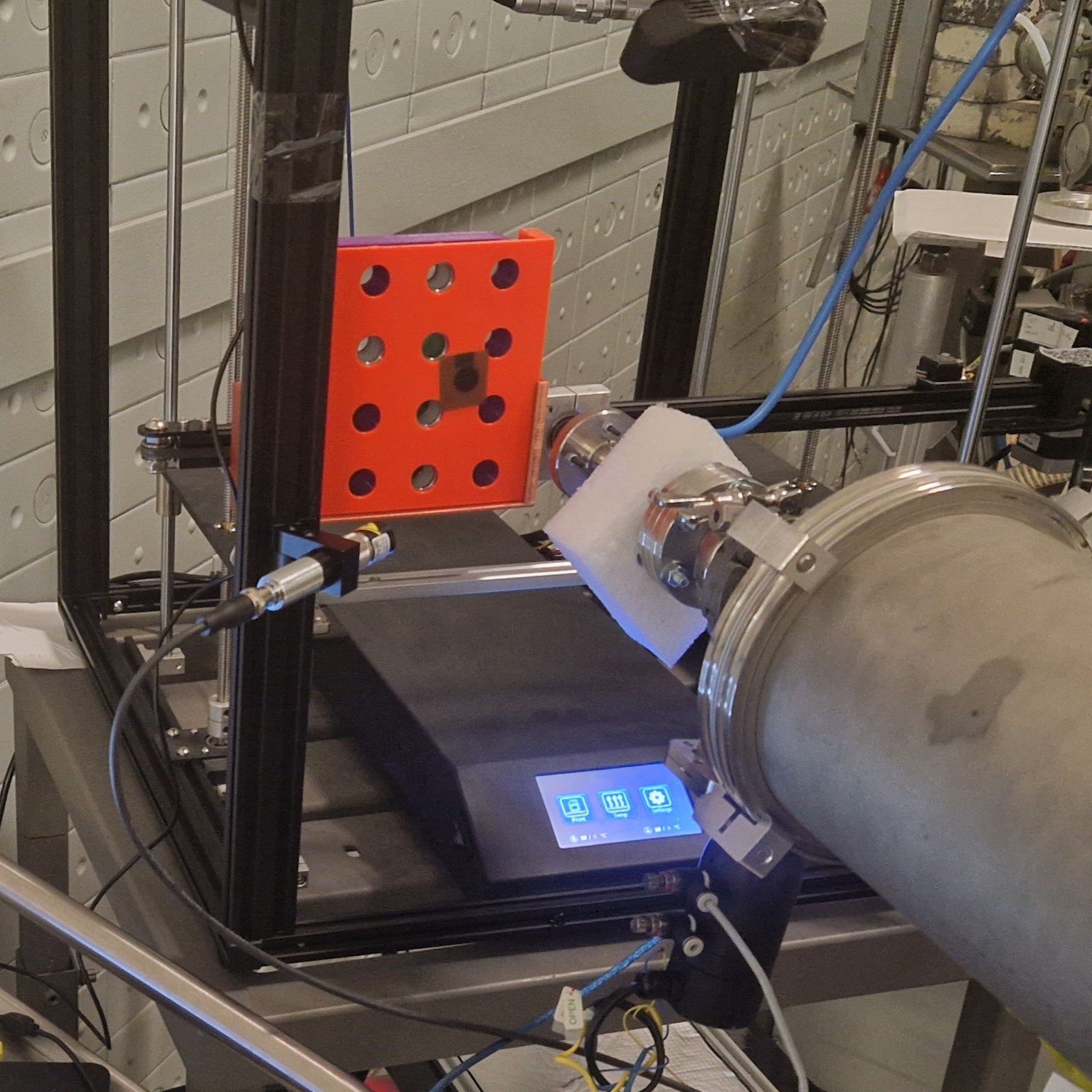
Creating novel devices and technologies. From hydrogen batteries to radiation detectors, our developments have the potential to transform industries and improve lives.
Educate
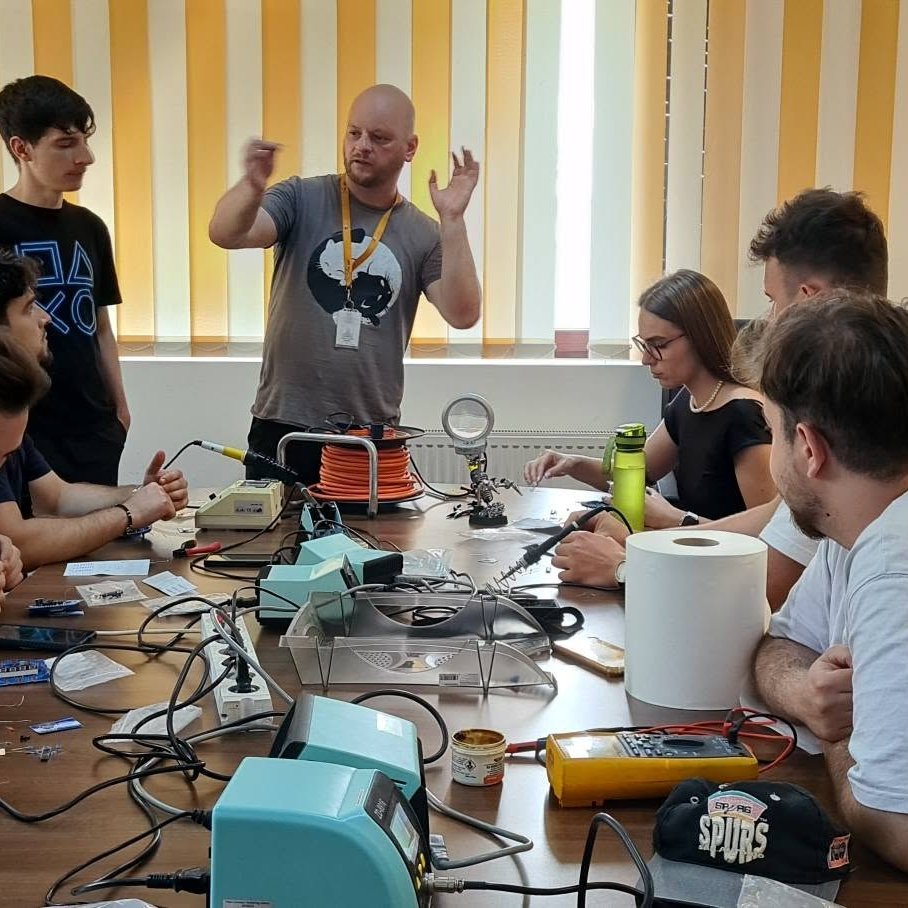
Generous efforts to preserve and understand our cultural heritage through advanced analytical methods. We're also passionate about educating the next generation of scientists, ensuring a bright future for research and innovation.
Environment, People & Sustainability
Several of our researchers dedicate their work to understanding air quality and protecting public health.
Caring for the environment is not a slogan for us—it is reflected in how we work every day. We pursue greener laboratory practices, energy-efficient operations and responsible handling of materials and waste, and we hold ourselves to high standards of safety and stewardship. Just as importantly, protecting the planet is woven into our science itself: a number of our researchers devote their work to understanding environmental challenges and turning measurements into knowledge that benefits society.
Air quality in Romania's cities during the 2020 pandemic
One recent study from our department examined how the concentrations of the main air pollutants—nitrogen oxides (NOx), sulfur oxides (SOx), ozone (O3), carbon monoxide (CO) and airborne particulate matter (PM10 and PM2.5)—evolved across Bucharest, Iași and Brașov during the unusual conditions of 2020.
Fine particles matter most for health: they carry heavy metals and other harmful compounds deep into the lungs. By combining national air-quality monitoring data with robust statistics and a health-risk assessment, the study showed that the sharp drop in traffic during lockdowns improved air quality—but not enough, on its own, to keep particulate pollution consistently below World Health Organization guidelines. The takeaway is clear and societally relevant: lasting clean air needs structural change, not just temporary slowdowns.
Statistical analyses of major pollutant concentrations in the Bucharest, Iași and Brașov metropolitan areas during the 2020 pandemic year and their potential health impact — doctoral research conducted within the department.
Read the full thesis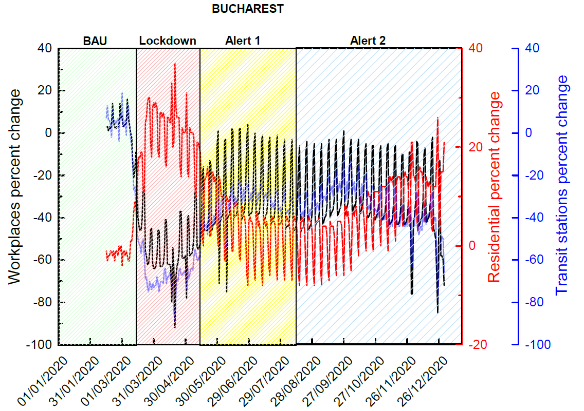
Important Announcements
Stay updated with the latest opportunities
EURO-LABS Basic Training School 2026 (BTS26)
May 11-23, 2026 | IFIN-HH, Bucharest-Magurele, Romania
EURO-LABS brings together 33 research institutions from 18 countries, providing access to 47 Research Infrastructures in Nuclear Physics, Accelerators, and Detectors. This Basic Training School offered hands-on experience for Masters, Ph.D., and early post-doctoral students.
24 trainees took part, with participation fully financed including travel, accommodation, and subsistence. Look out for next year's call for applications.
News and Events
What the scientists are up to
Events & announcements
Upcoming and recent activities at DFNA.
Loading latest events...
Our Amazing Team
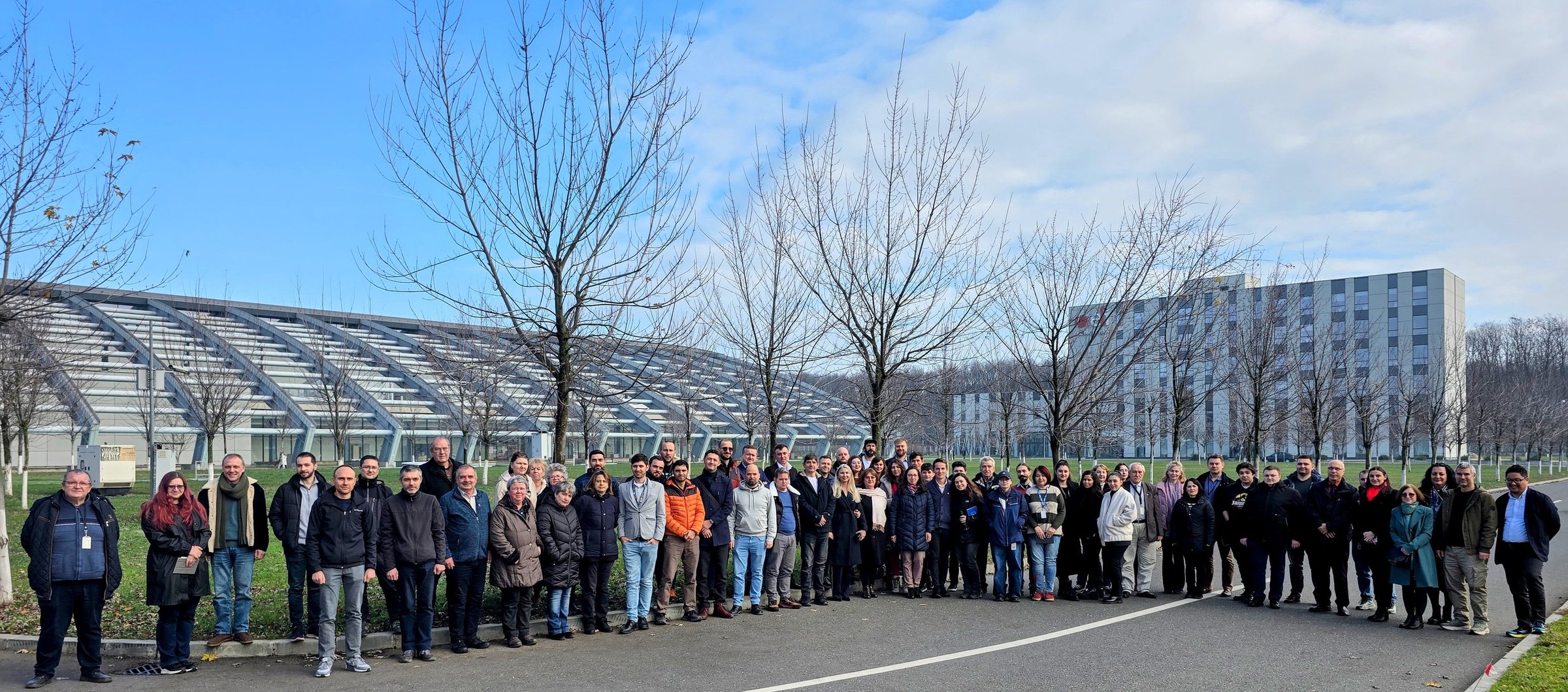
Meet the people that make it happen
Our Partners