Why outreach matters
Our department believes that cutting-edge nuclear physics should be open, understandable, and inspiring for everyone. Outreach is how we build trust with society, encourage young people to pursue scientific careers, and show how accelerators, detectors, and radioisotopes can improve everyday life—from medicine and cultural heritage to energy and the environment.
Through school visits, institute tours, hands-on activities, and collaborations with teachers and researchers, we bring the world of particles, atoms, and isotopes closer to the community and create long-term partnerships with the education system.
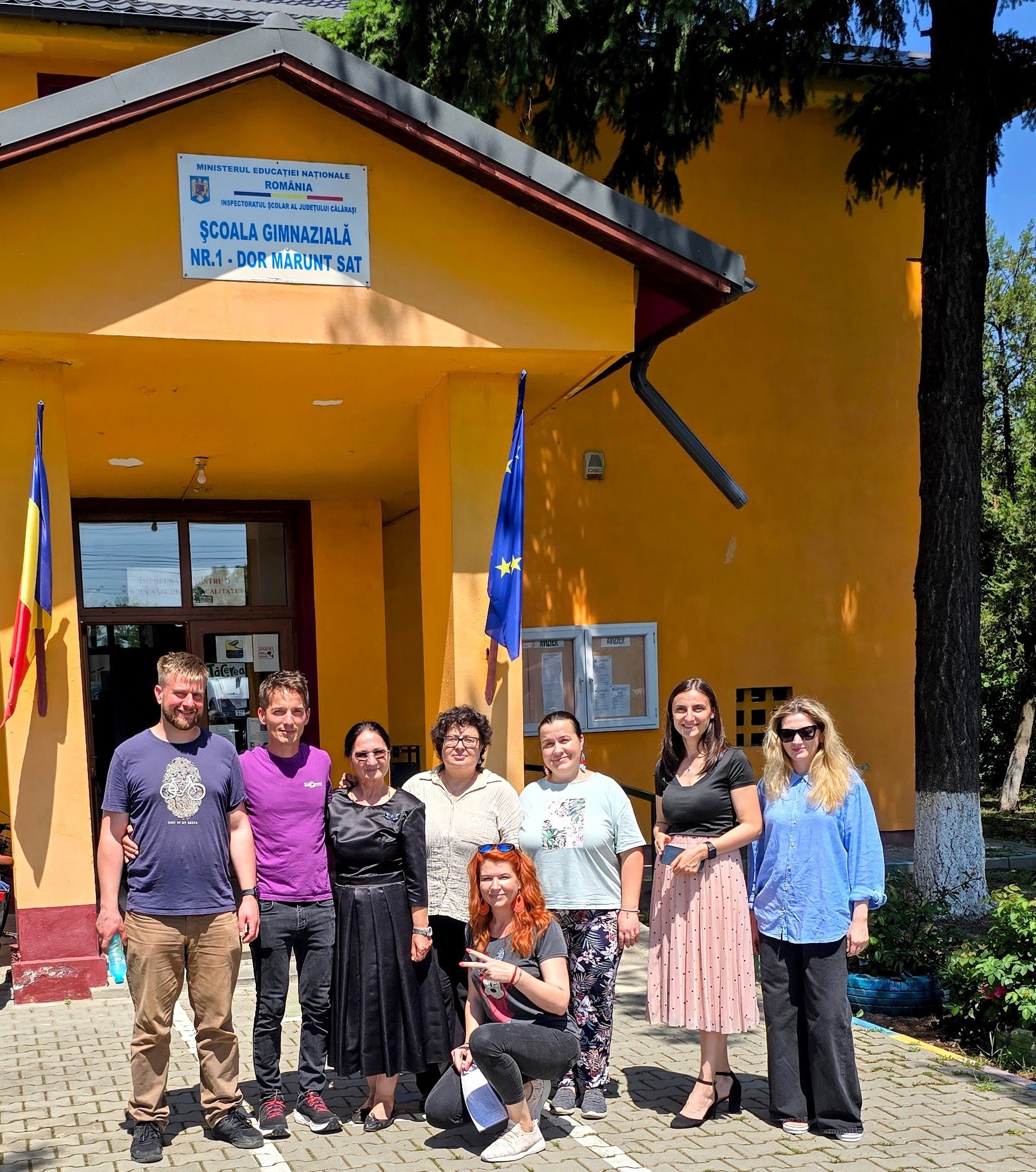
Programmes and events
The flagship activities that take our science out into the community
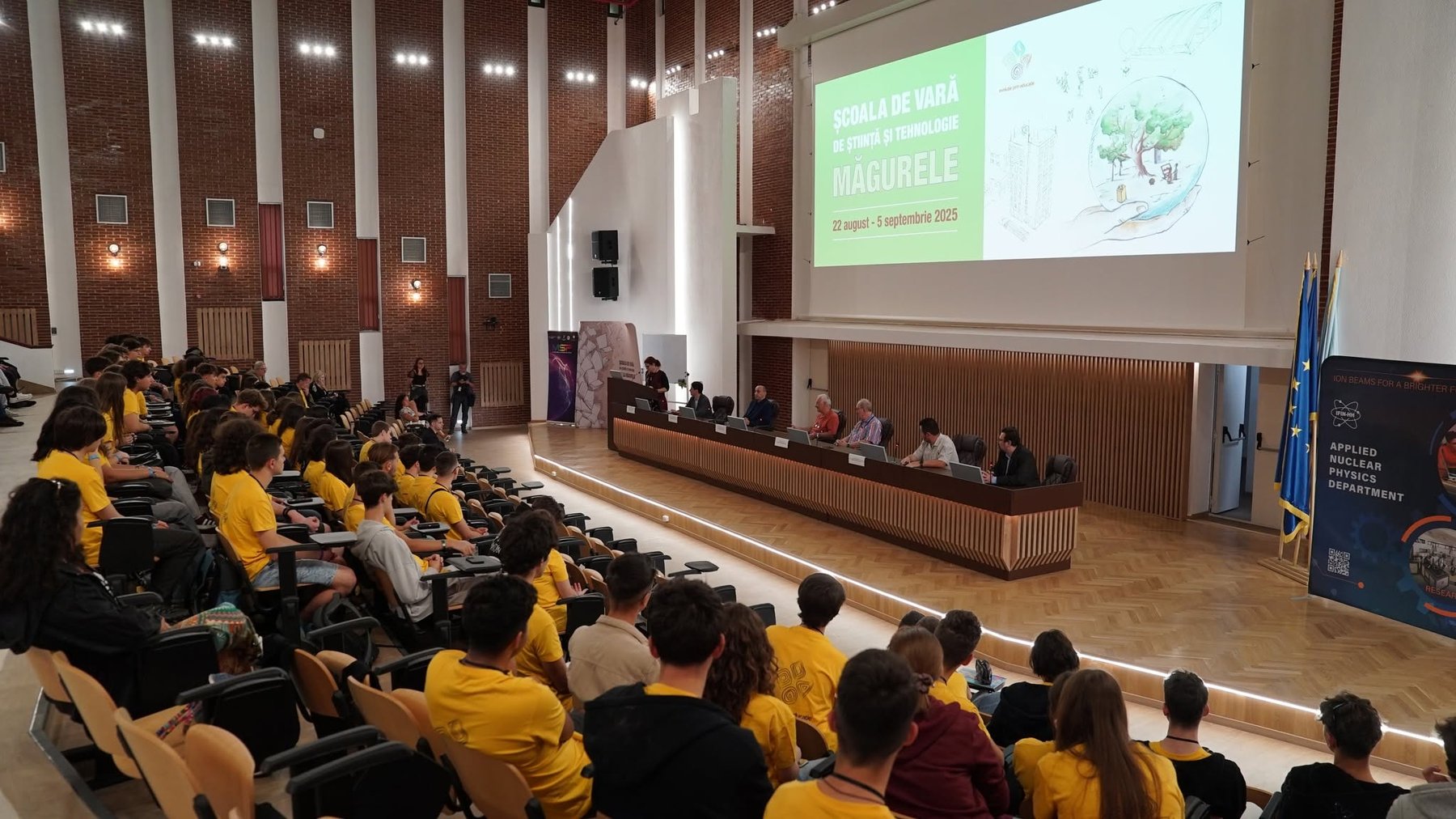
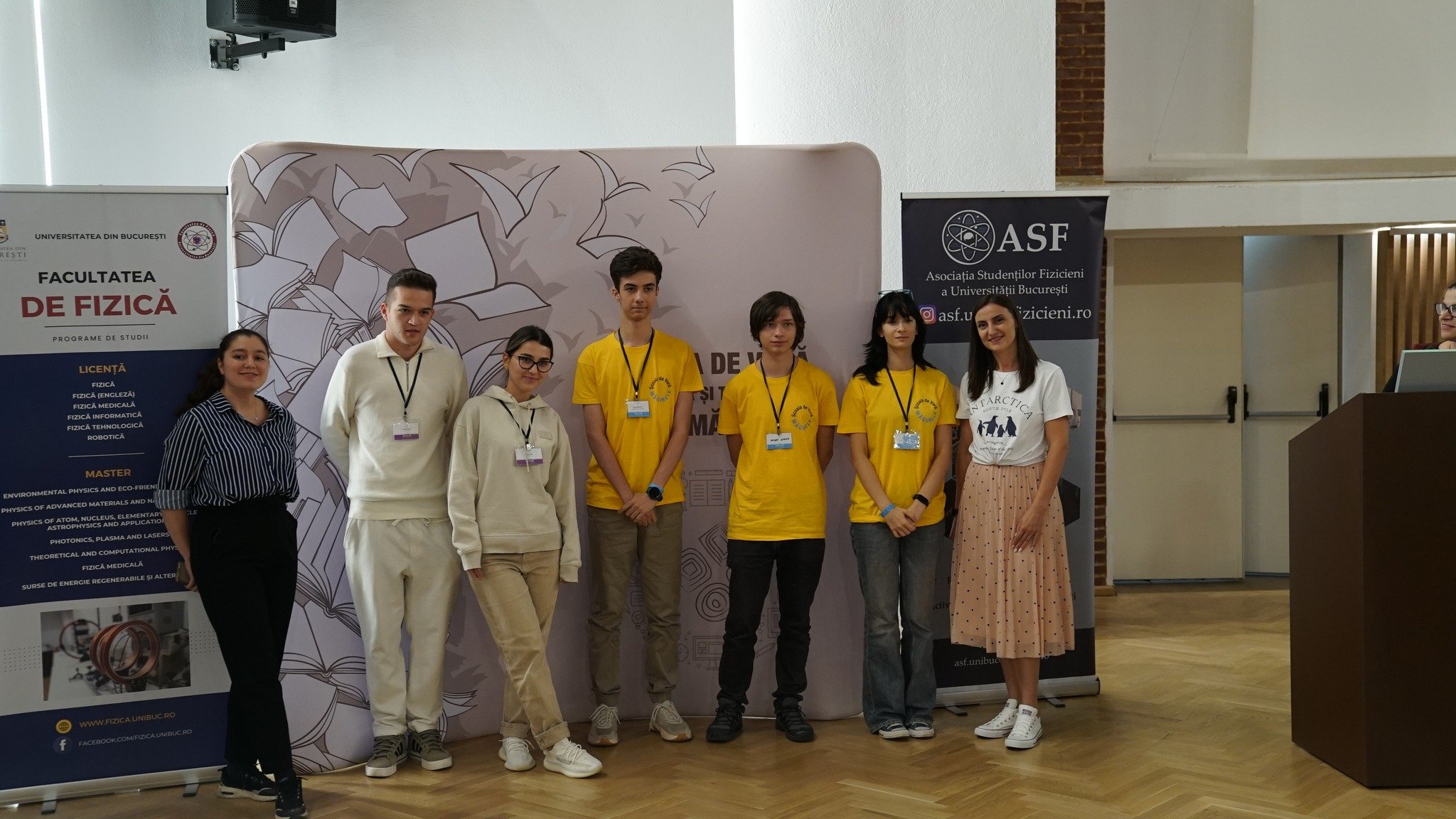
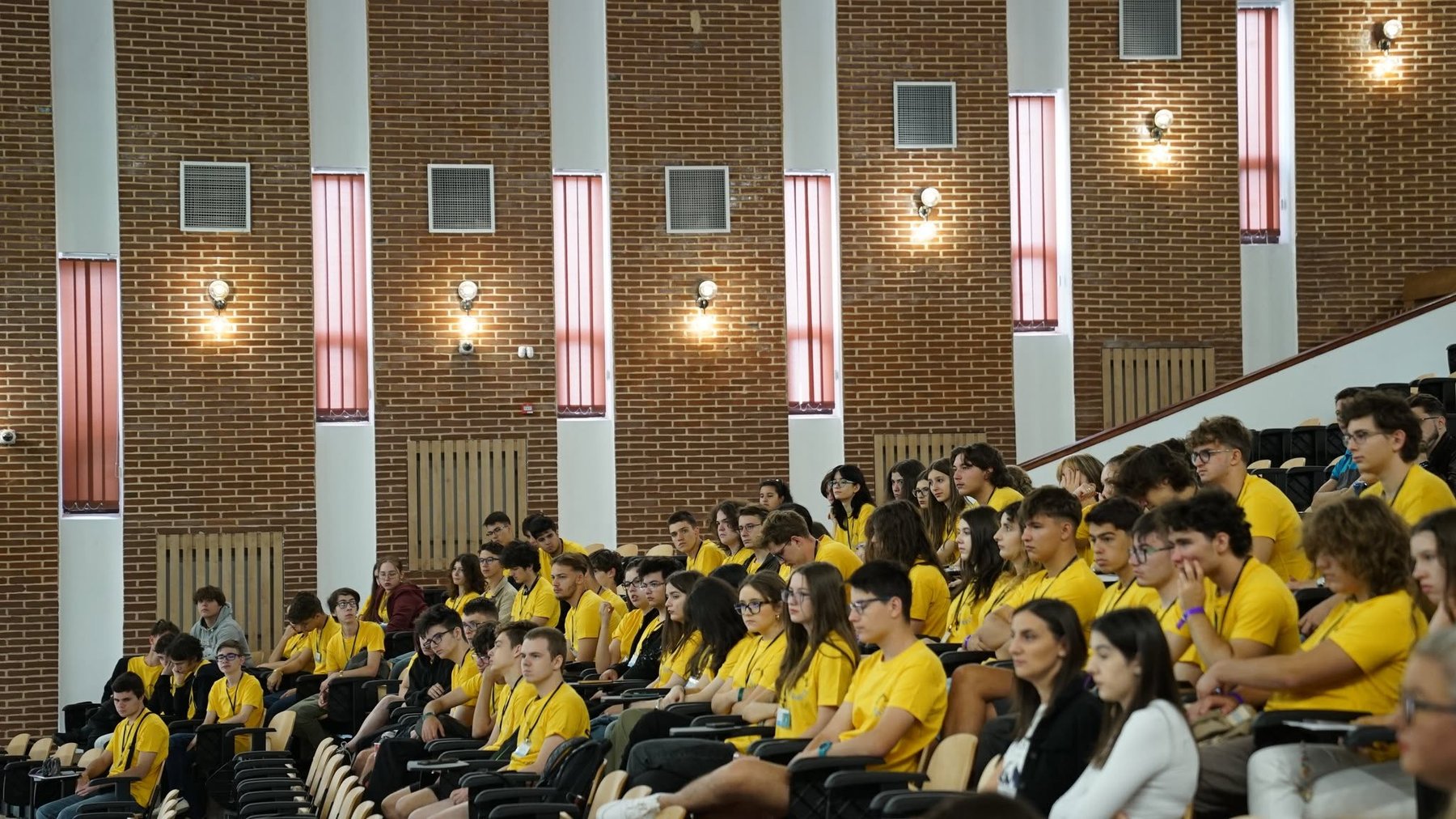
MSciTeh — Măgurele Science & Technology
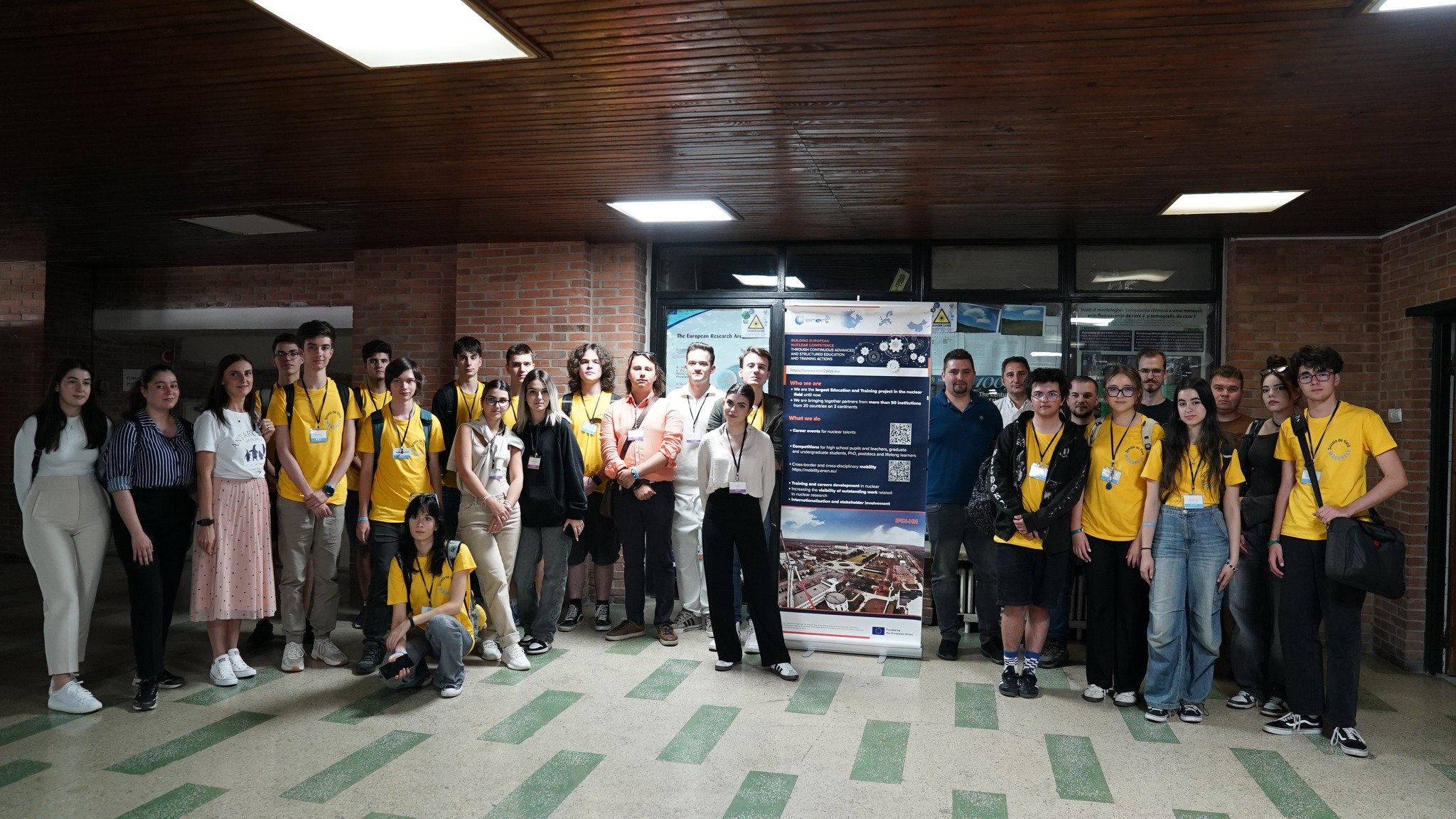
A two-week summer school that brings high-school students onto the Măgurele campus for experiential learning in real research laboratories — now in its eighth edition. DFNA hosts students across its accelerator and analysis labs.
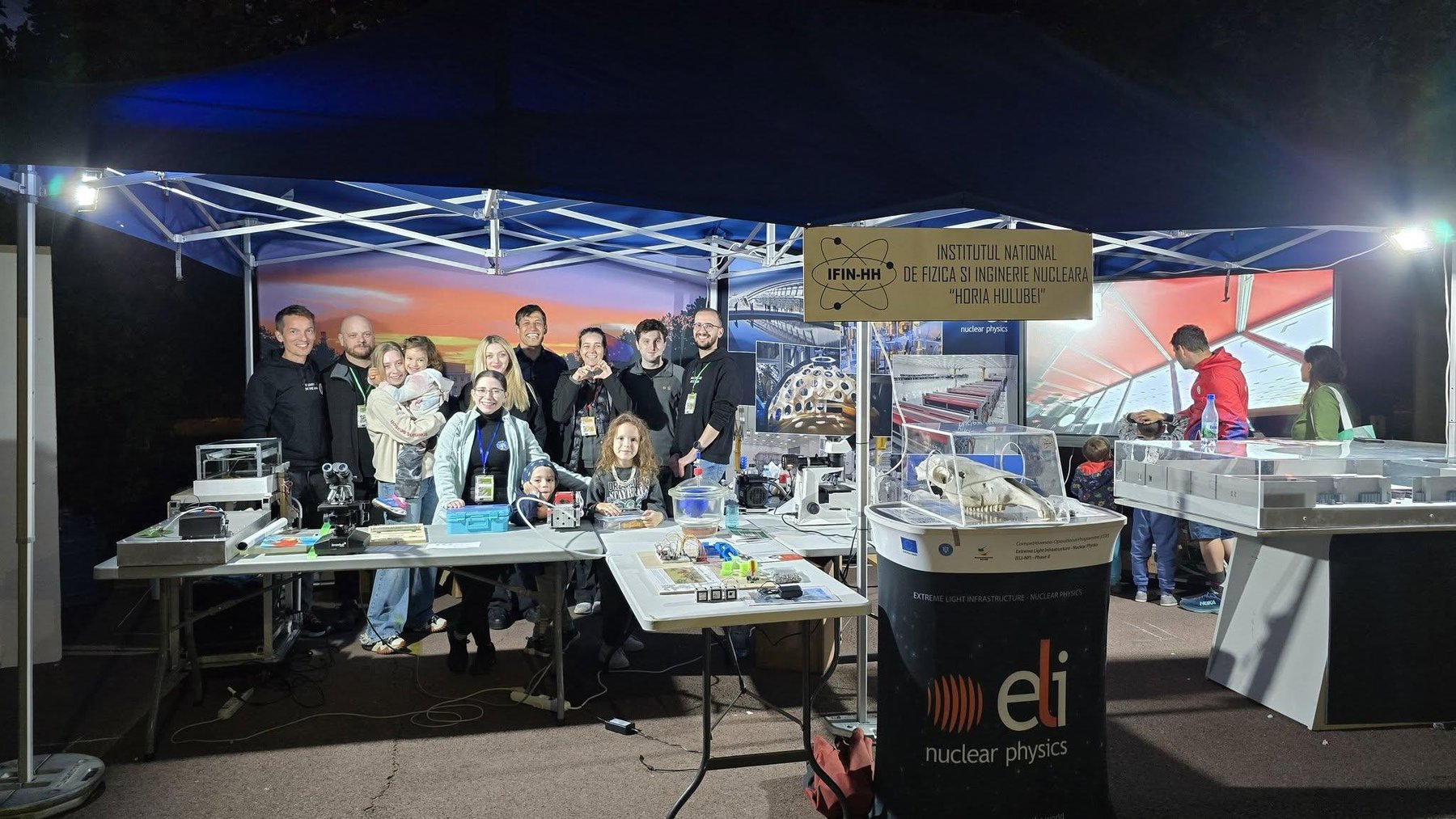
European Researchers' Night
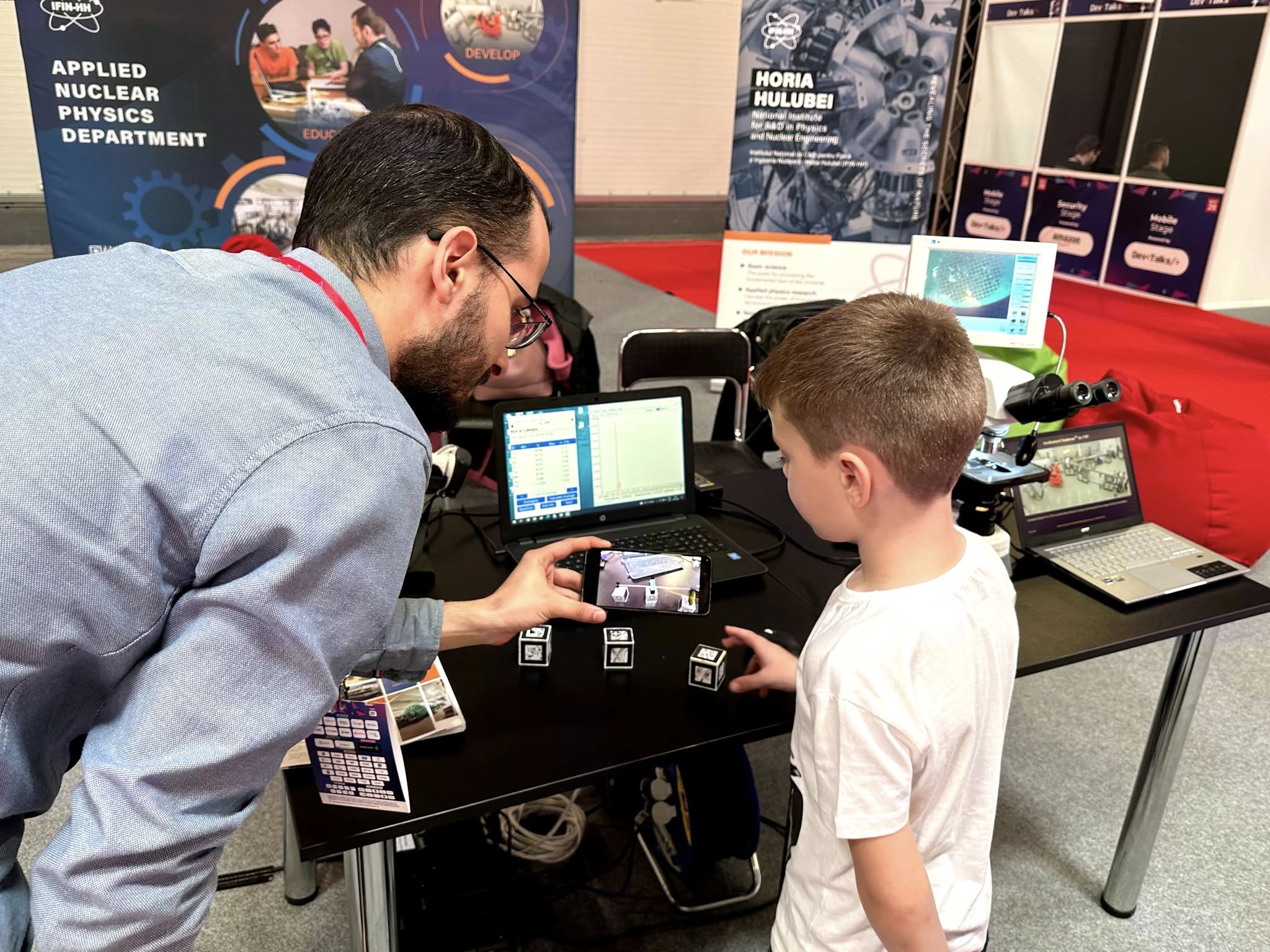
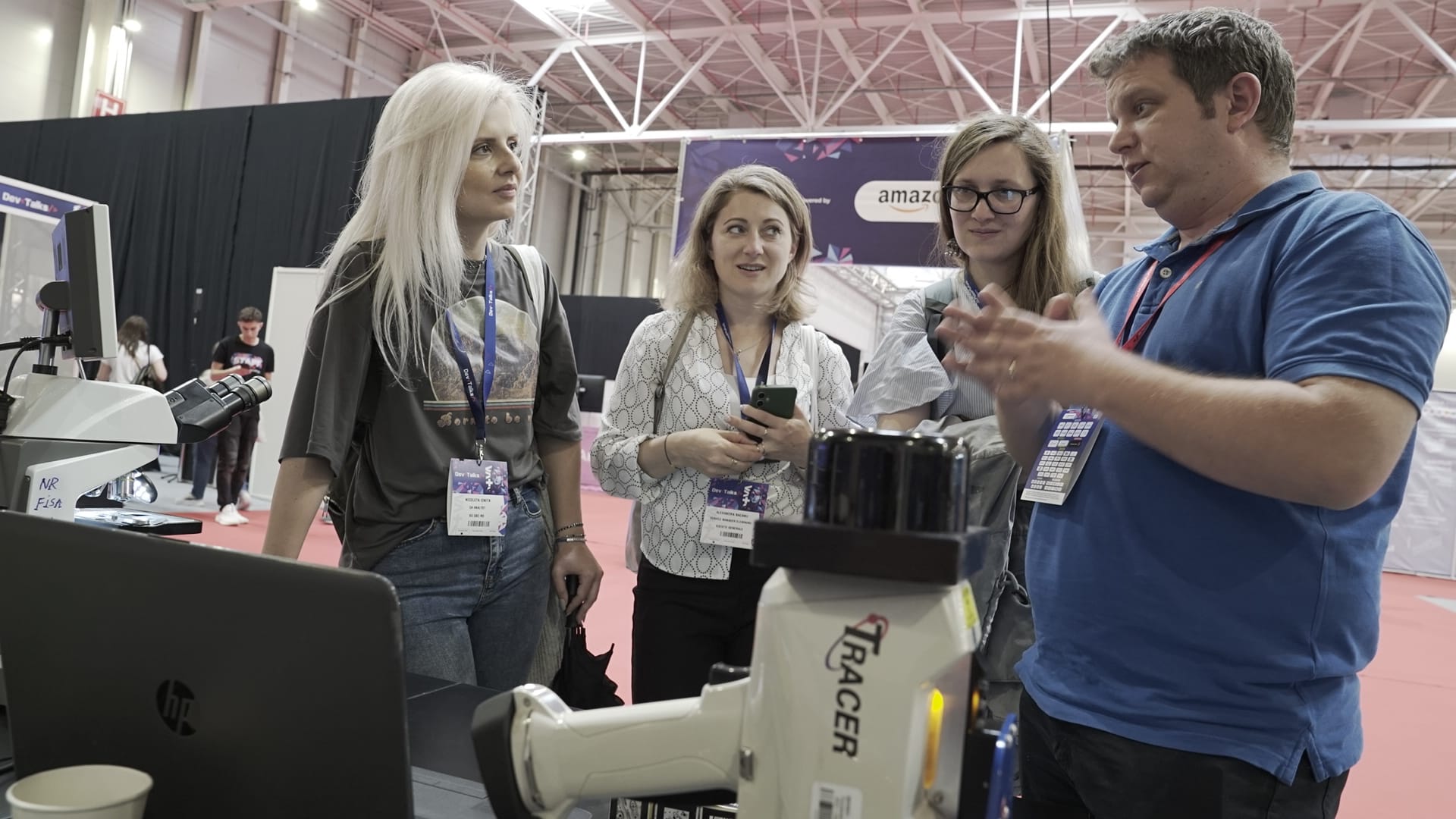
Every September we join the Europe-wide Researchers' Night with a hands-on stand — microscopes, live demonstrations and our build-your-own accelerator — bringing nuclear science to thousands of visitors of all ages.
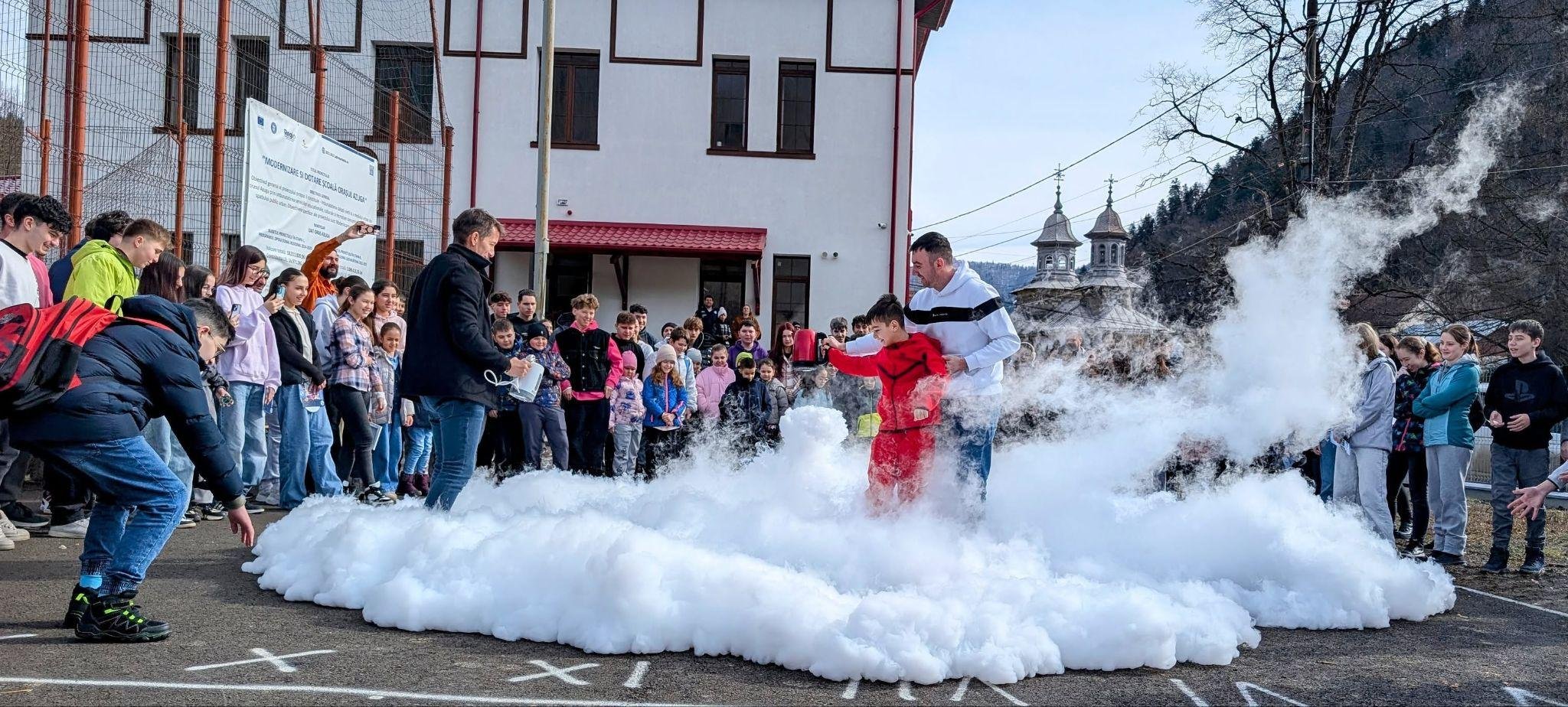
ReCoNnect Science Caravan
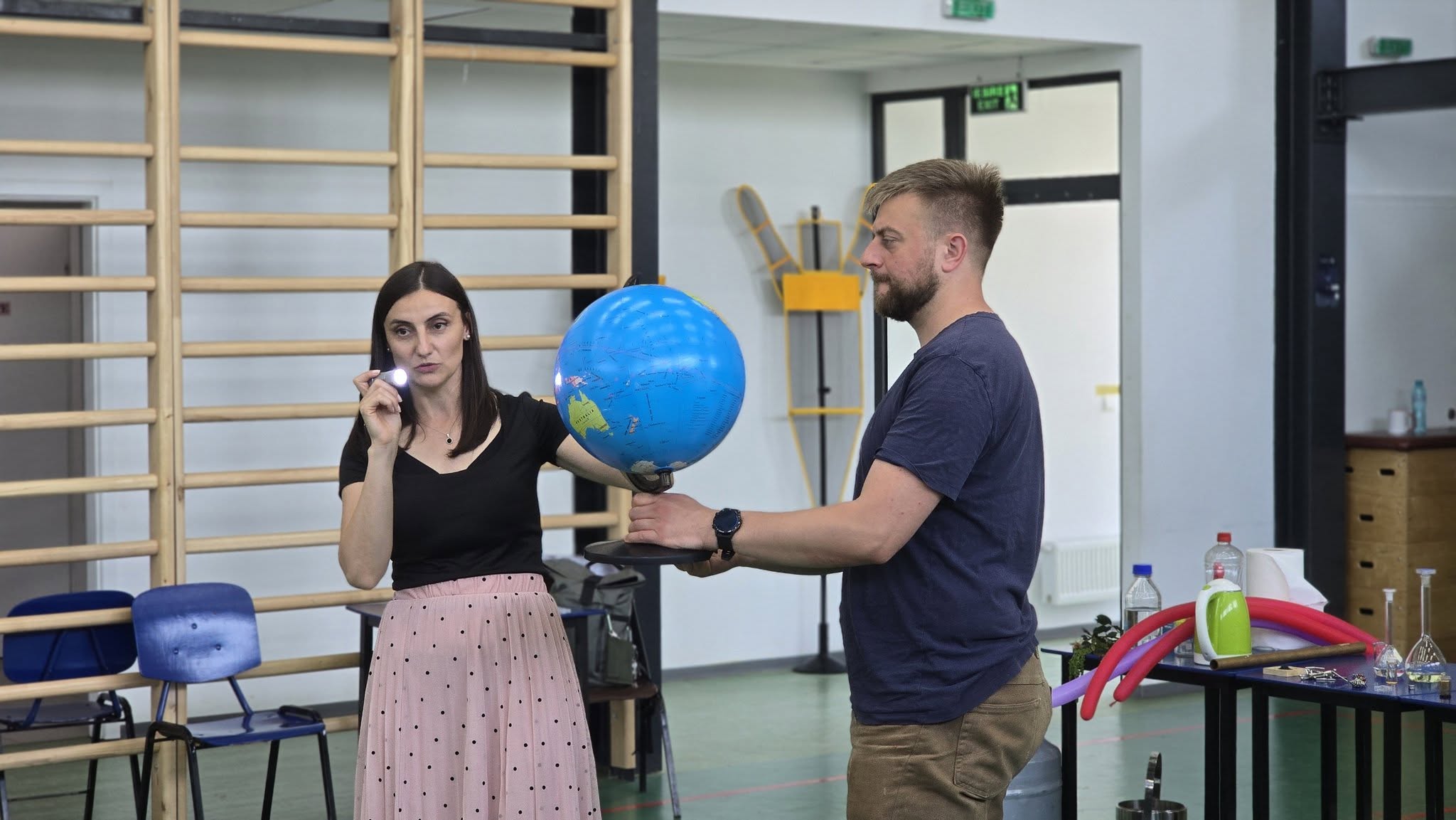
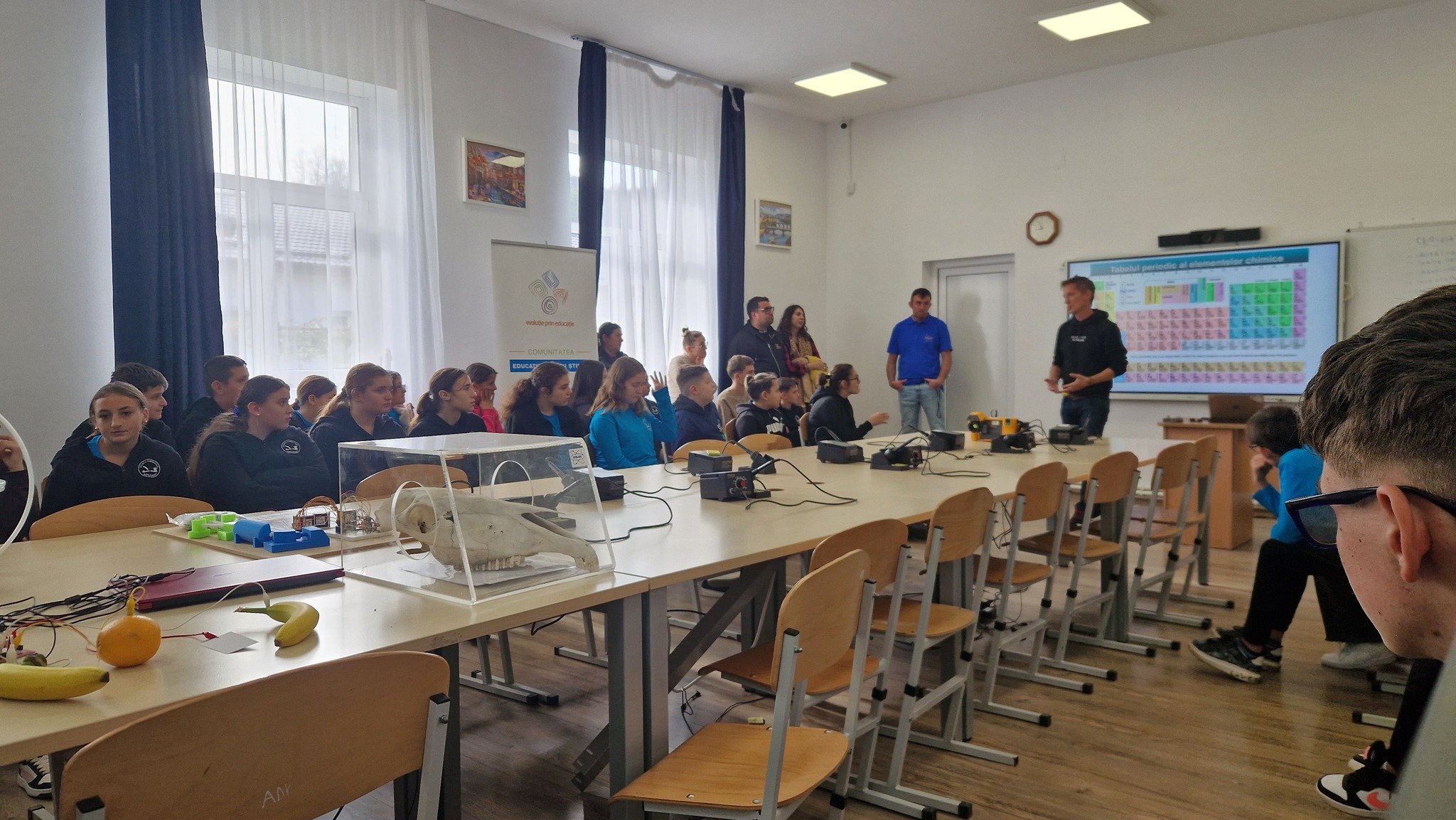
A travelling science caravan that brings spectacular live demonstrations and talks to schools across Romania, including smaller towns such as Azuga — turning a schoolyard into a physics playground.
More on our school visits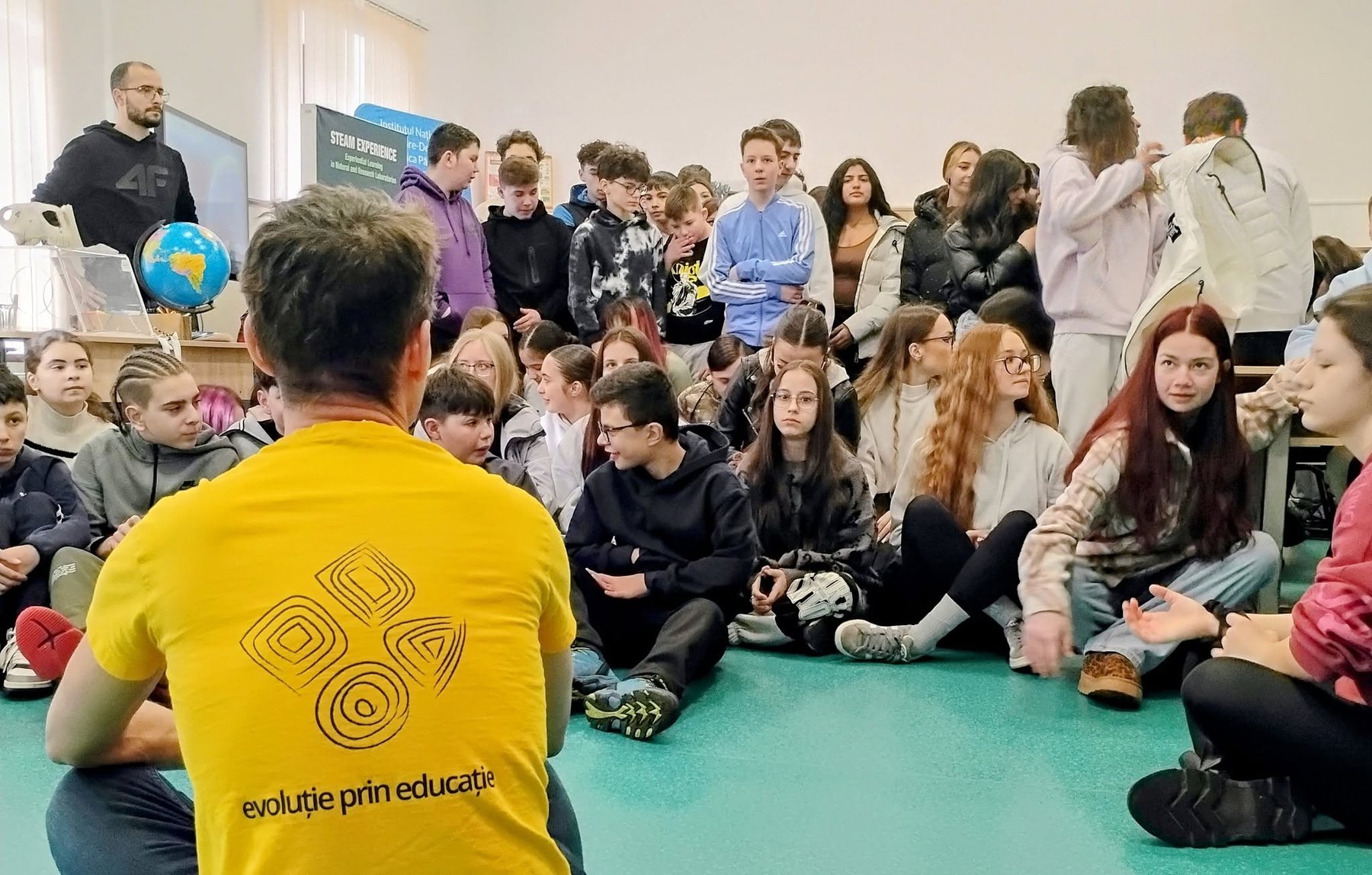
Education for Science community
We support the national Education for Science community (educatiepentrustiinta.ro): teacher training, „Școala Altfel la Măgurele”, the community's national conference, and Romanian teachers' involvement in the European Scientix network.
More on our collaborations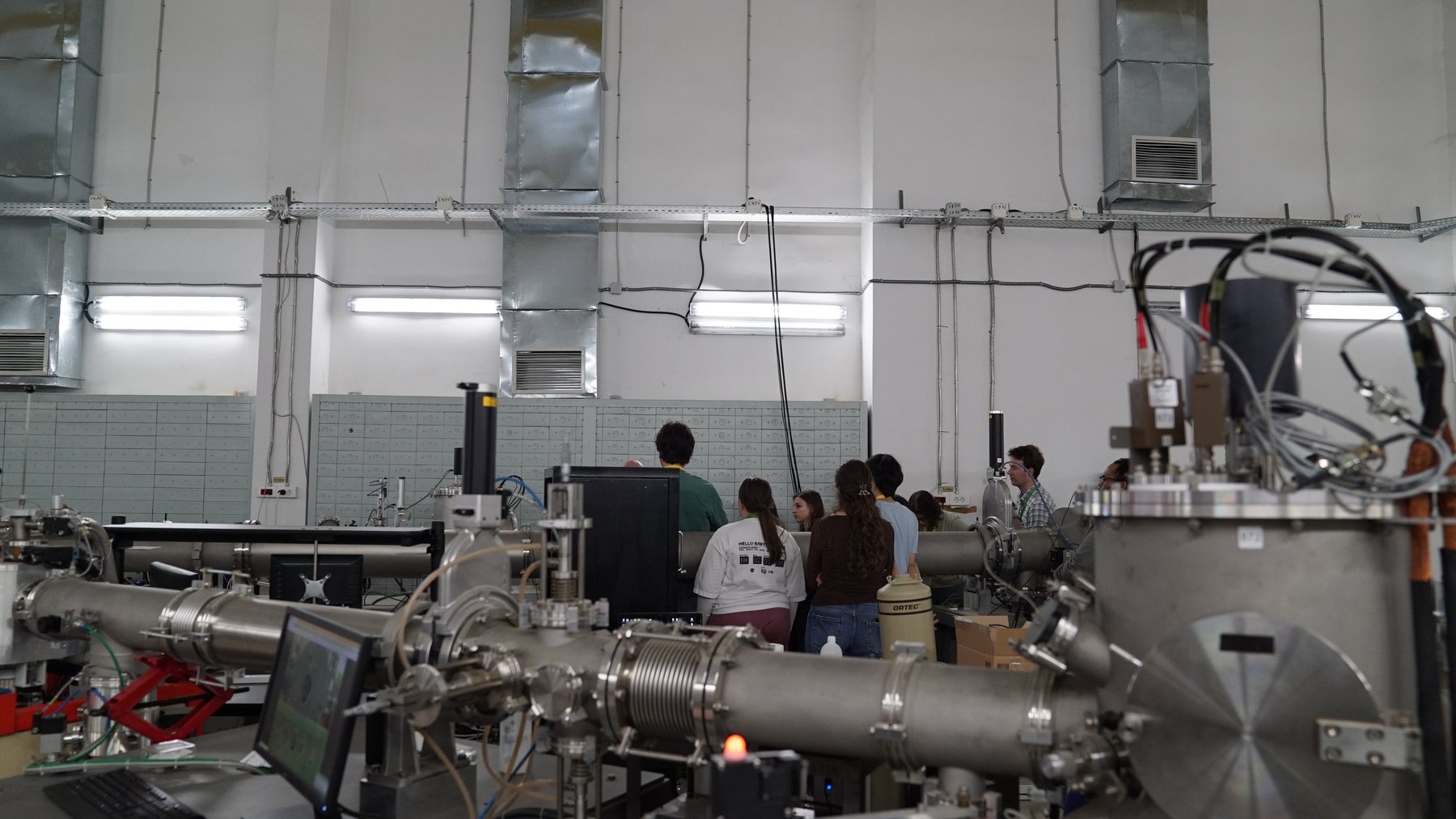
Open days at the accelerators
On our open days the institute opens its doors — visitors walk the accelerator halls, meet researchers, and see how ion beams and radiocarbon dating actually work, up close.
More on our accelerator tours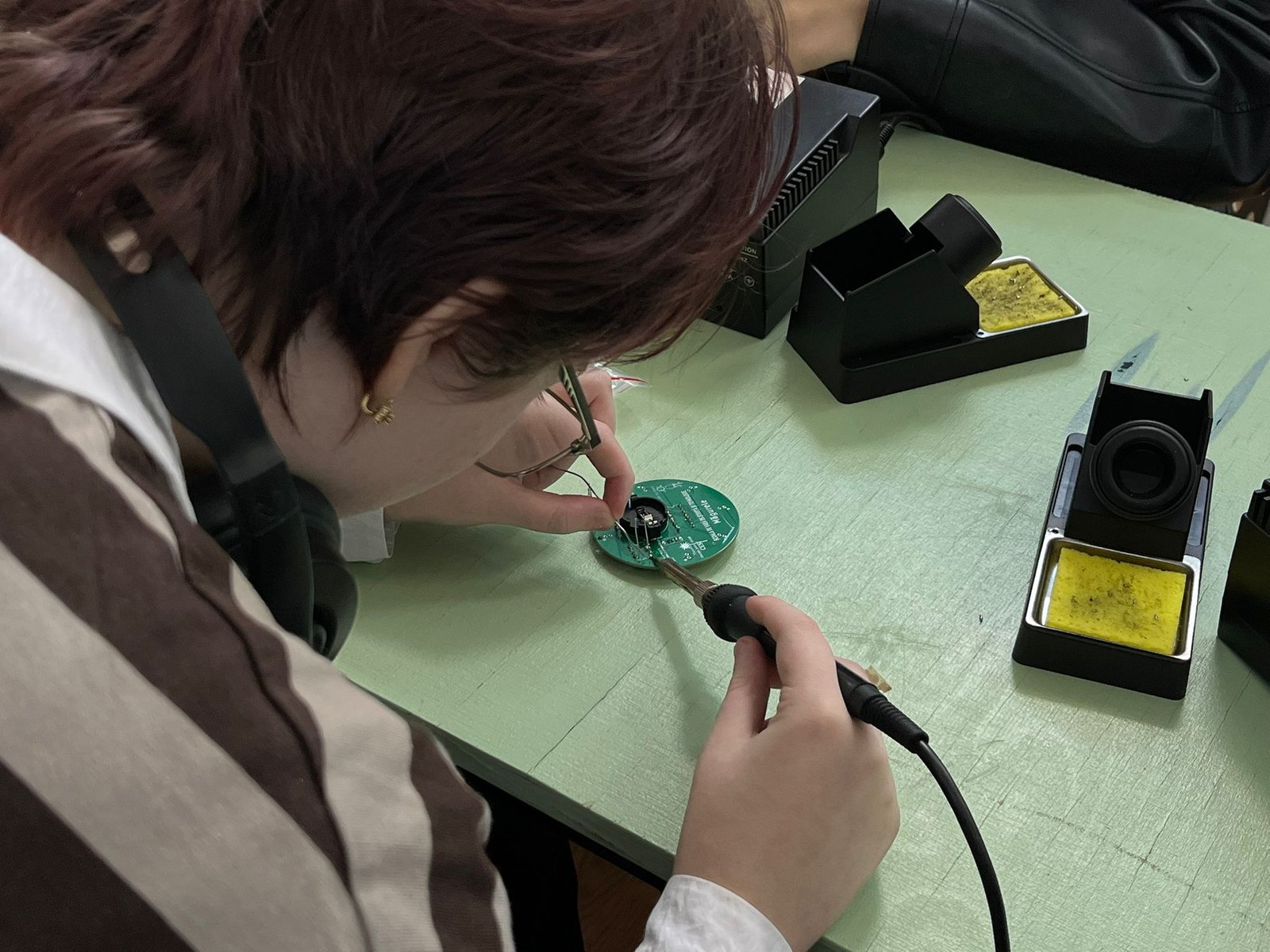
Hands-on science fairs & demos
From soldering your own electronic kit to watching a dry-ice cloud roll across the floor, our hands-on demos — including the build-your-own accelerator — make abstract physics tangible.
More on the build-your-own acceleratorEURO-LABS Basic Training School (BTS26)
Two weeks of hands-on accelerator physics for trainees from across Europe
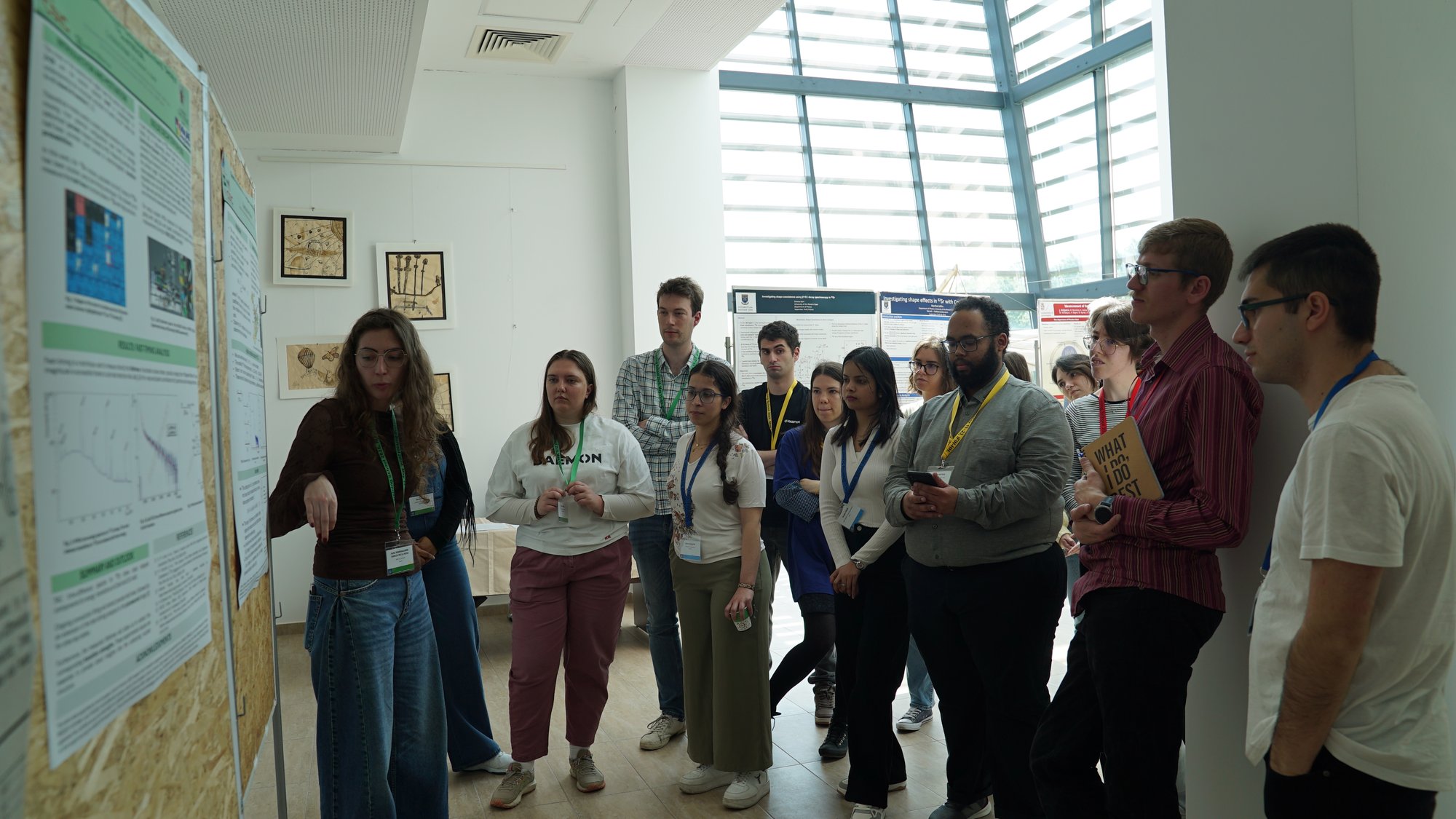
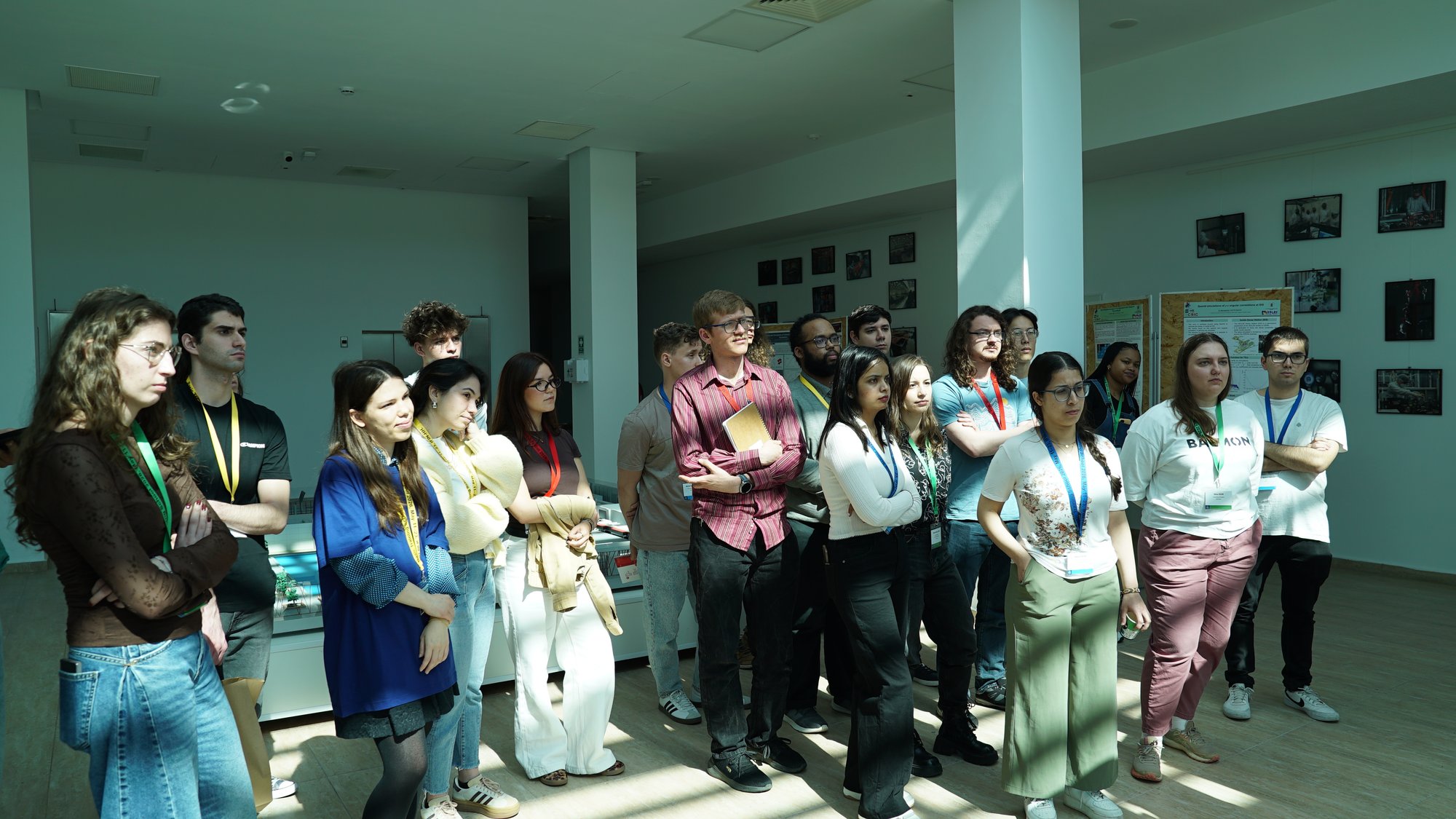
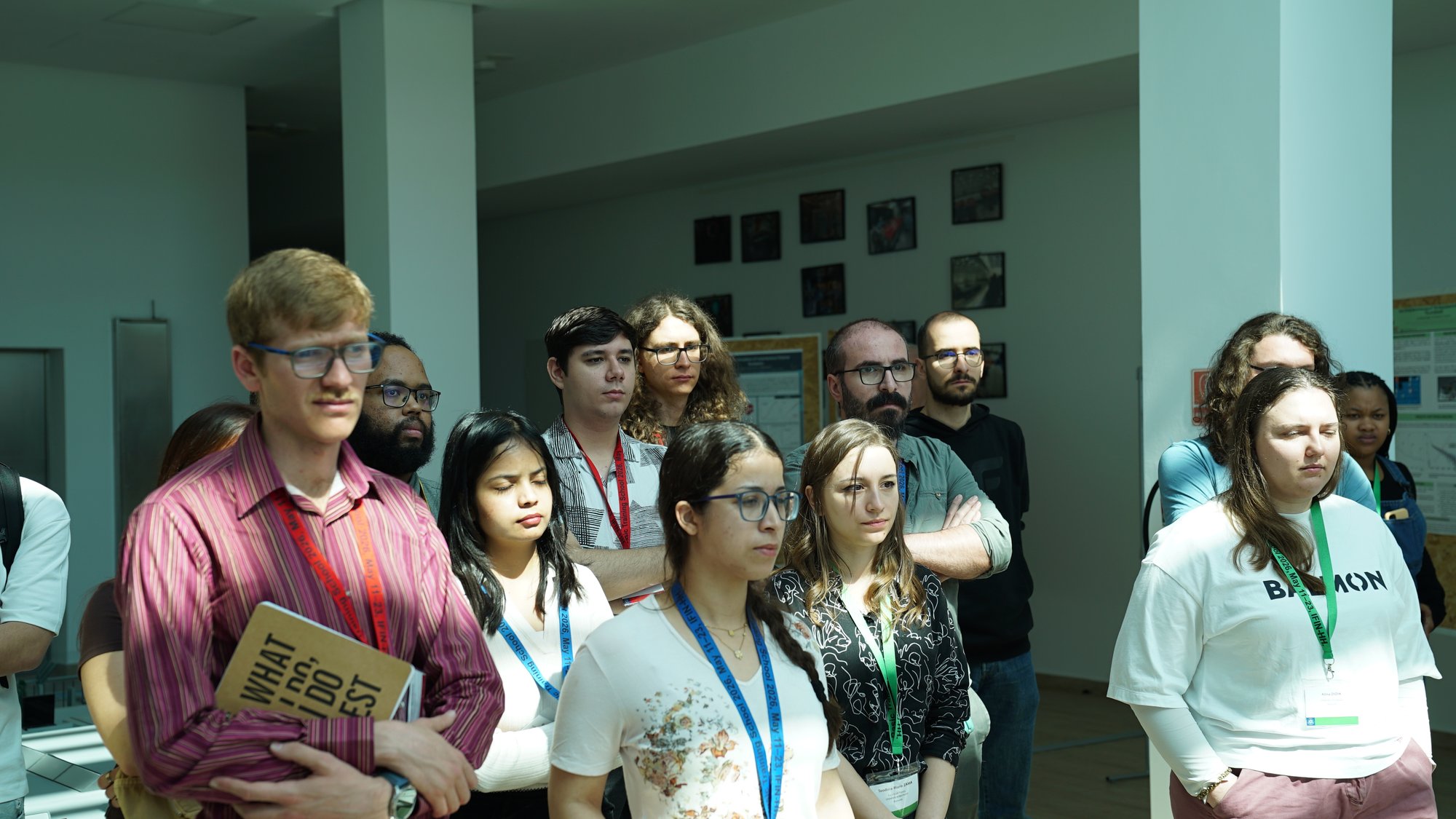
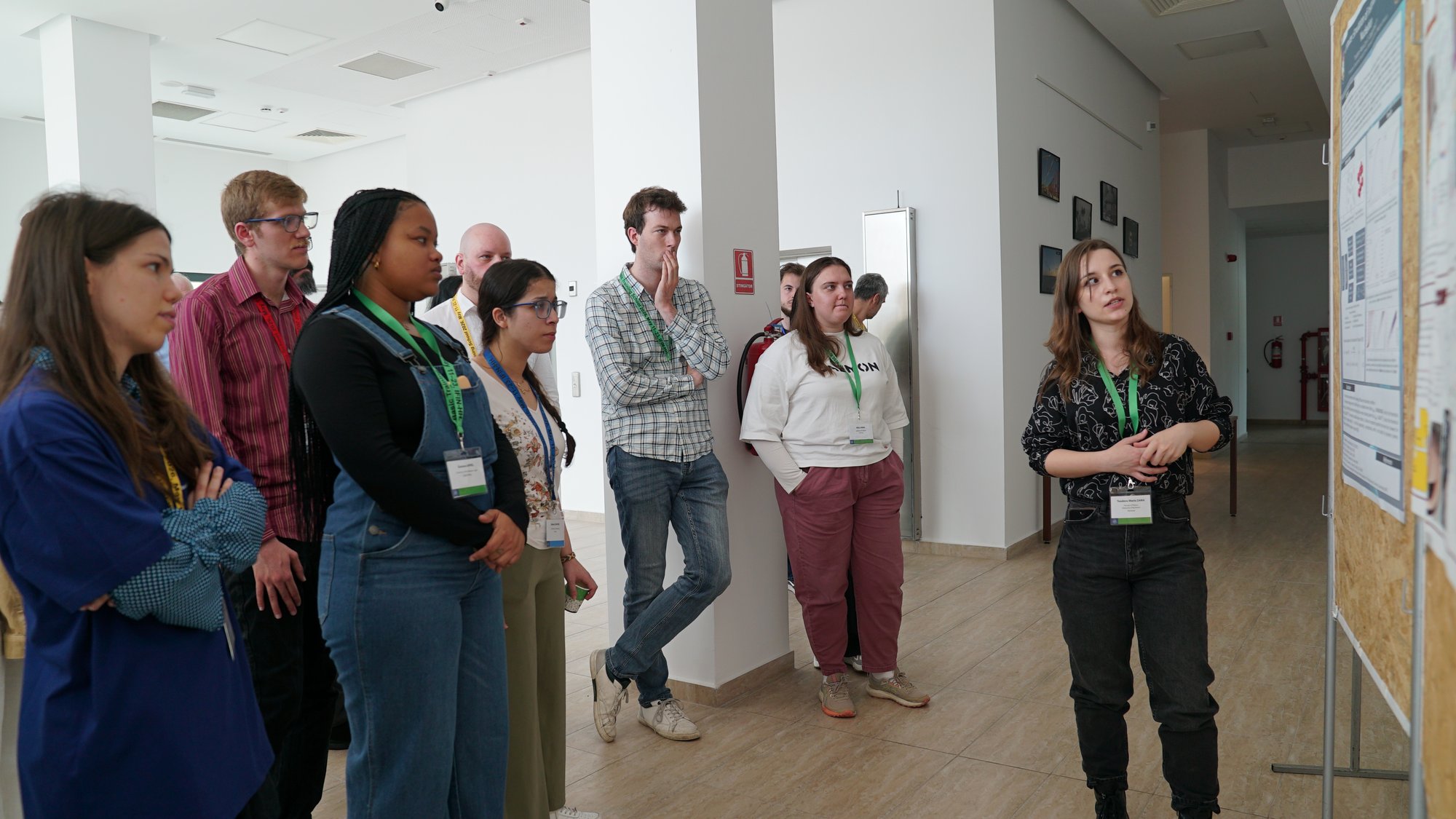
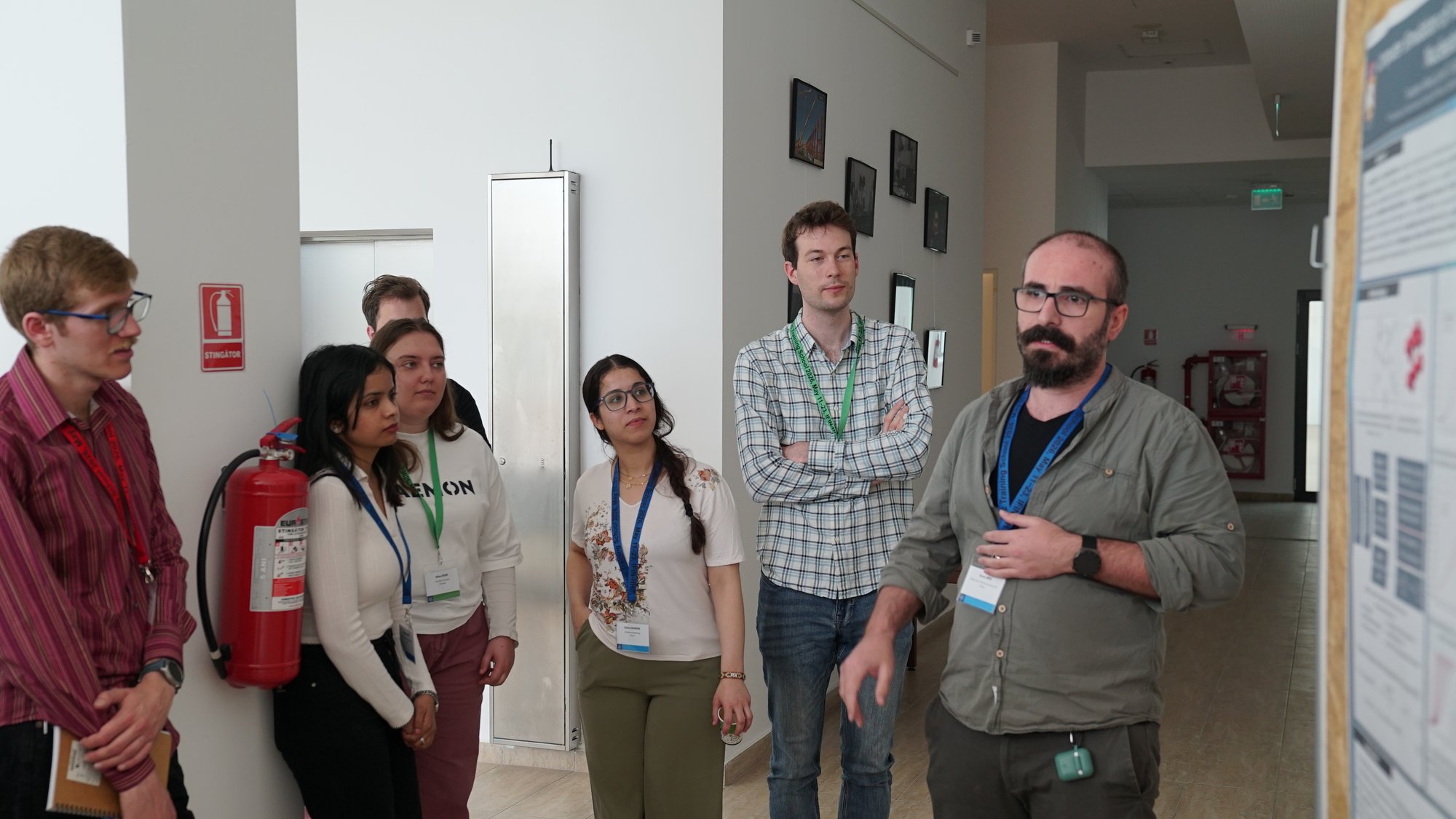
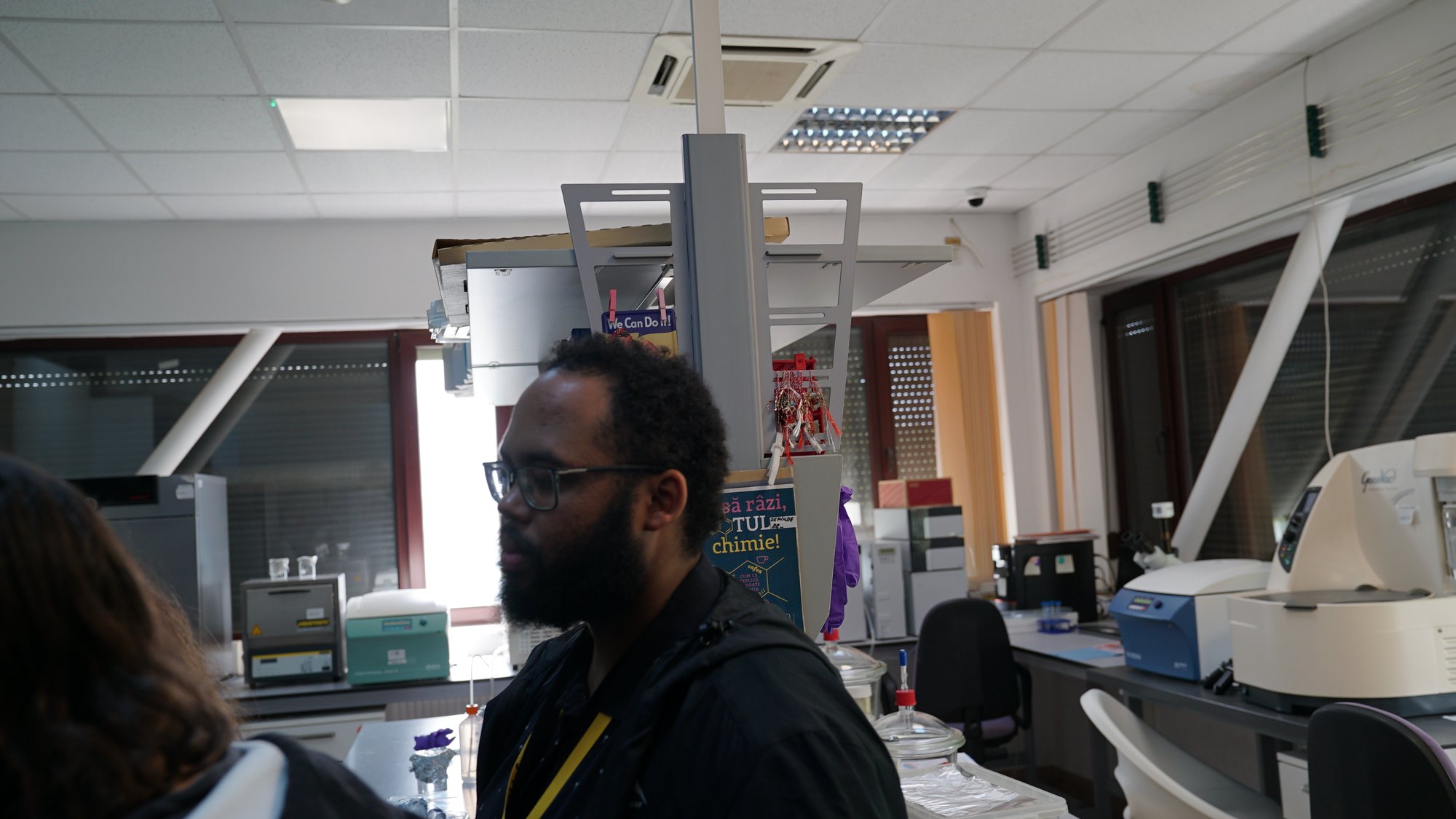
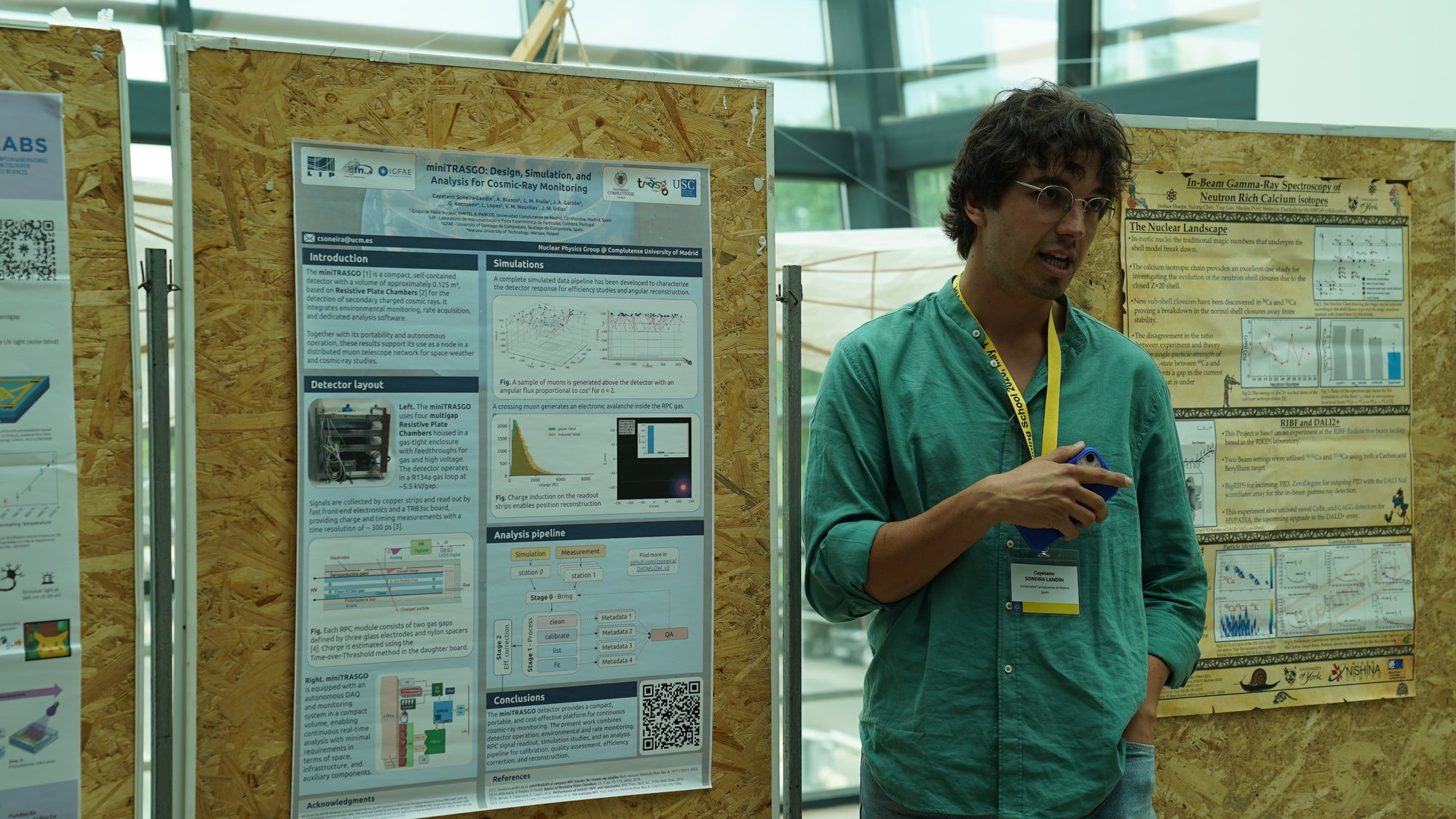
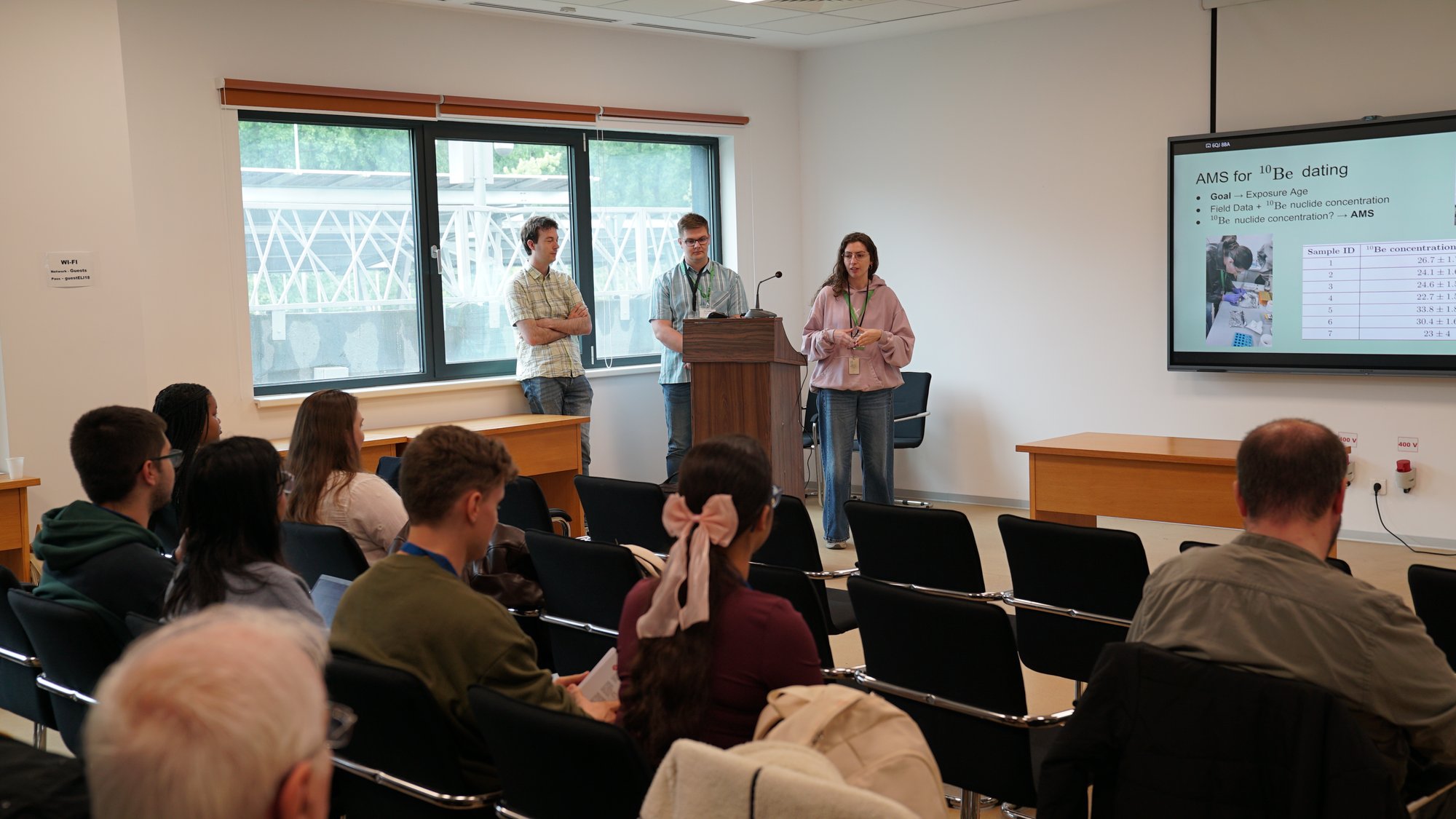
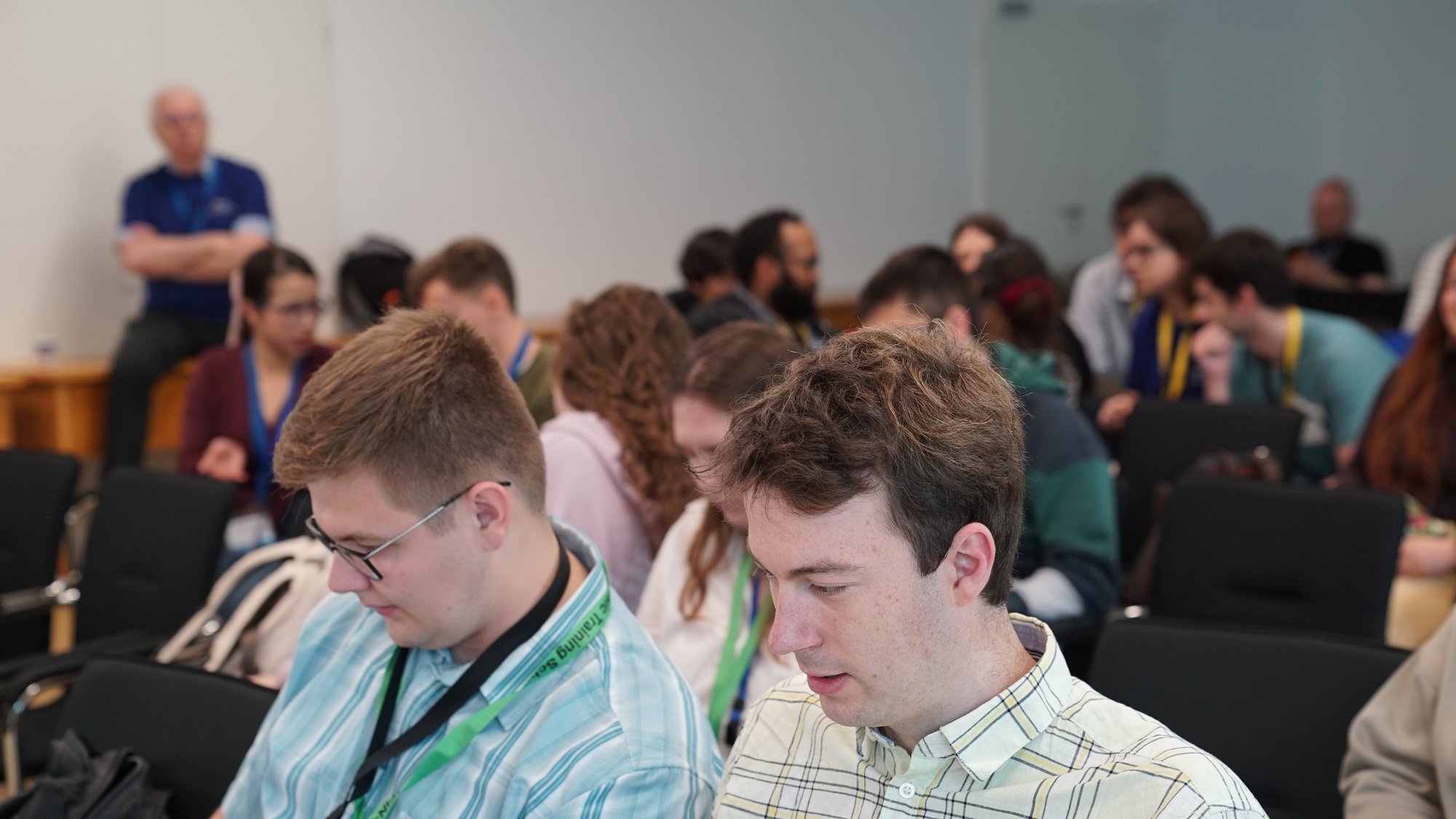
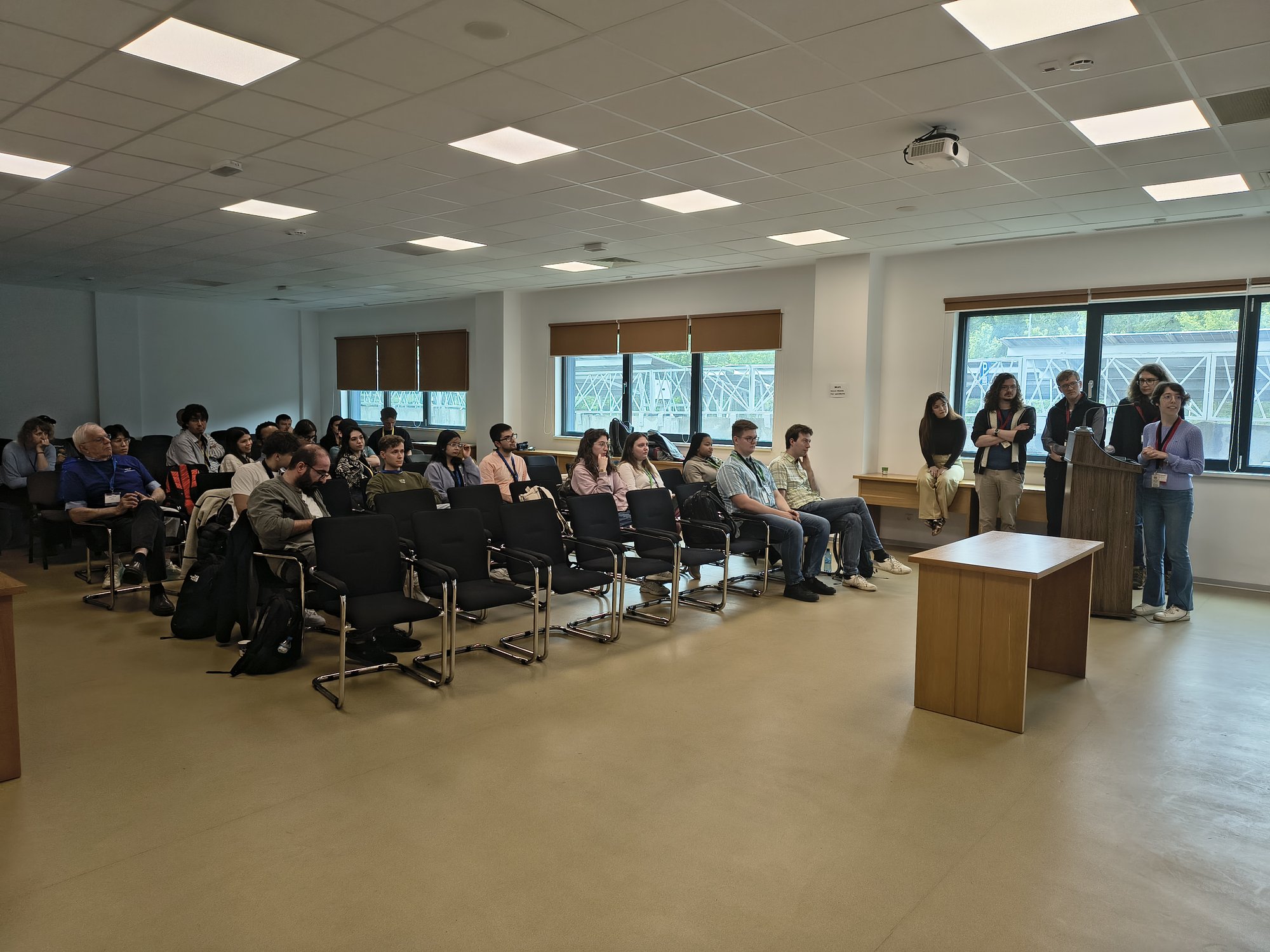
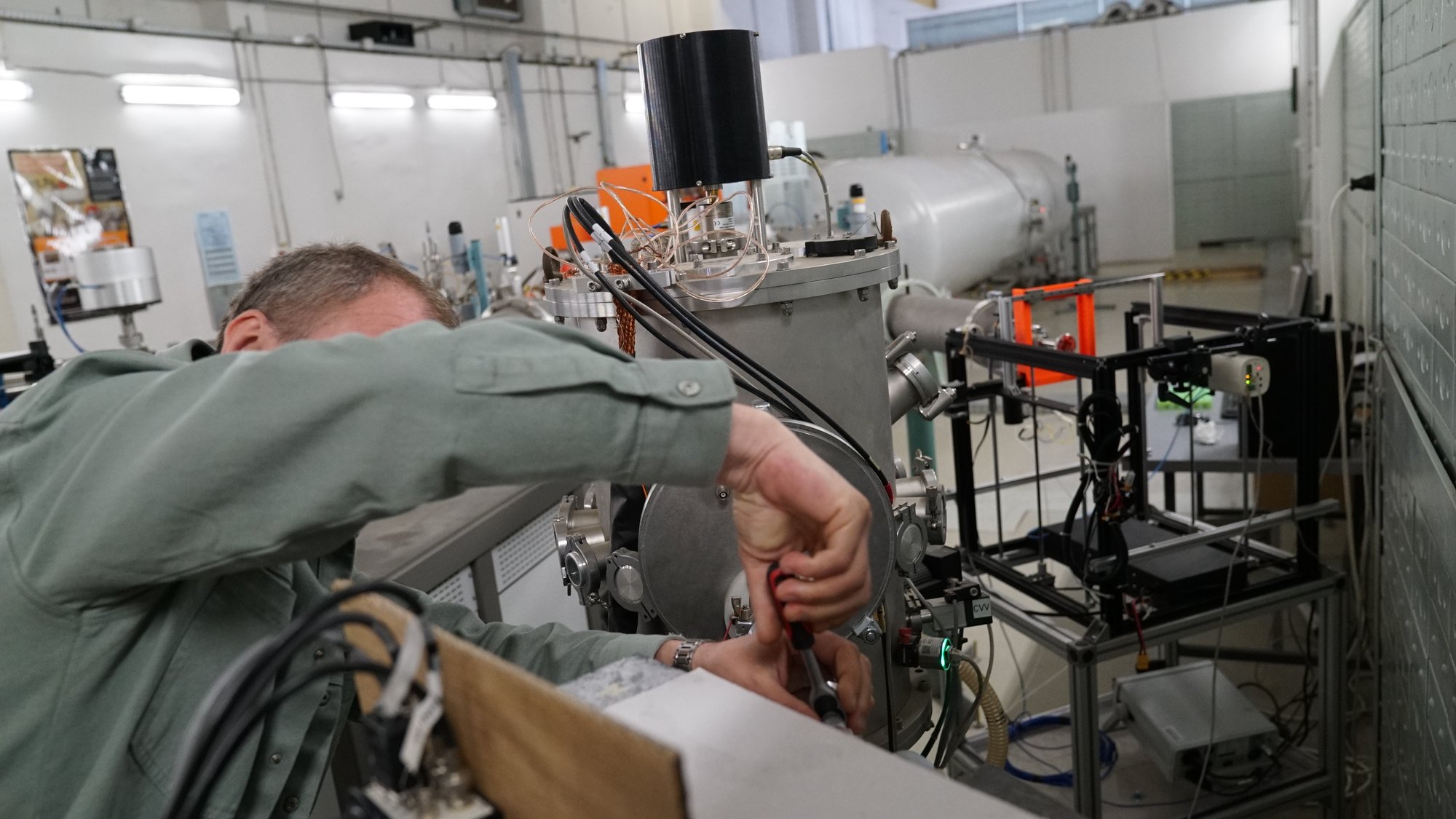
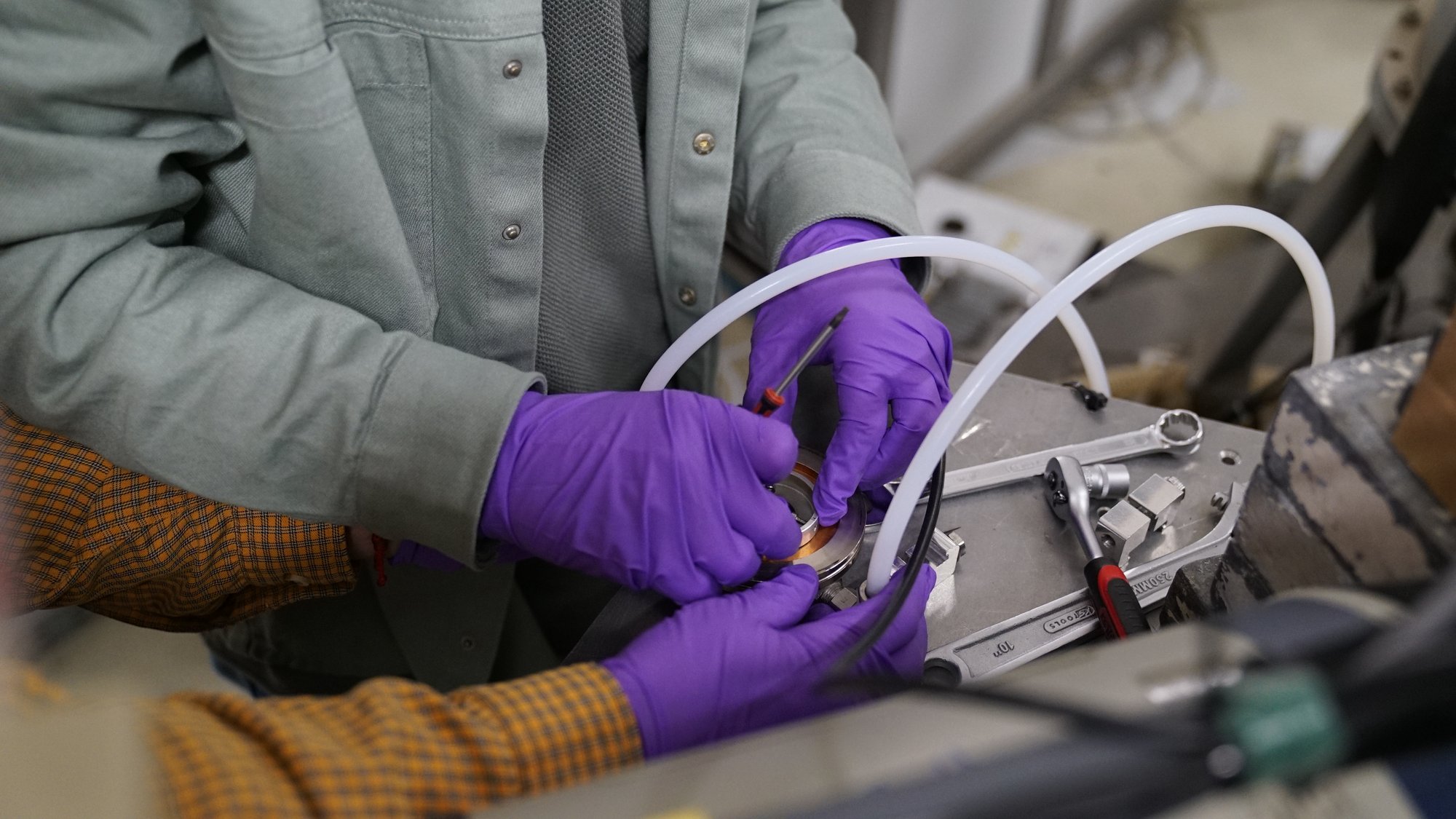
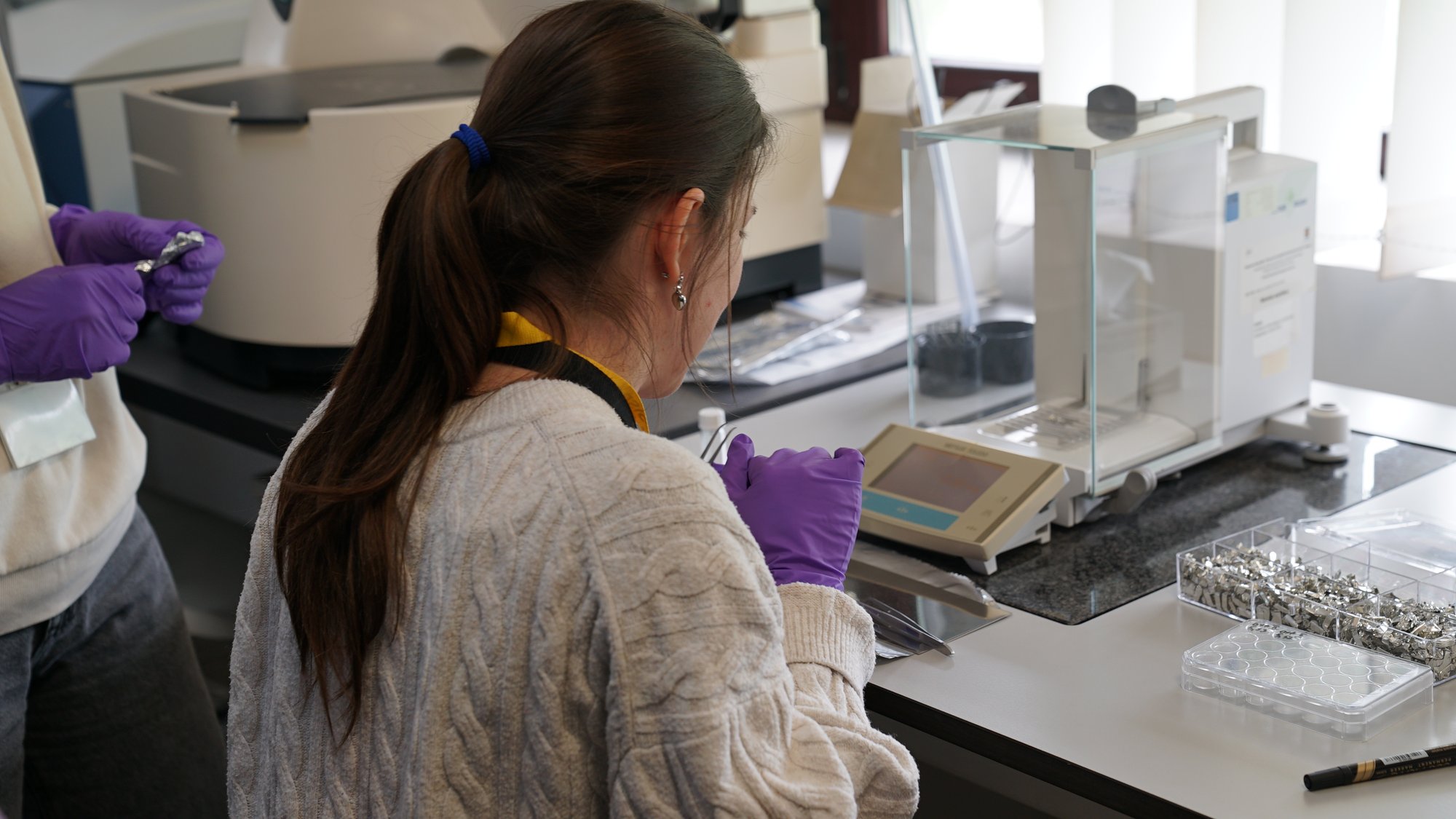
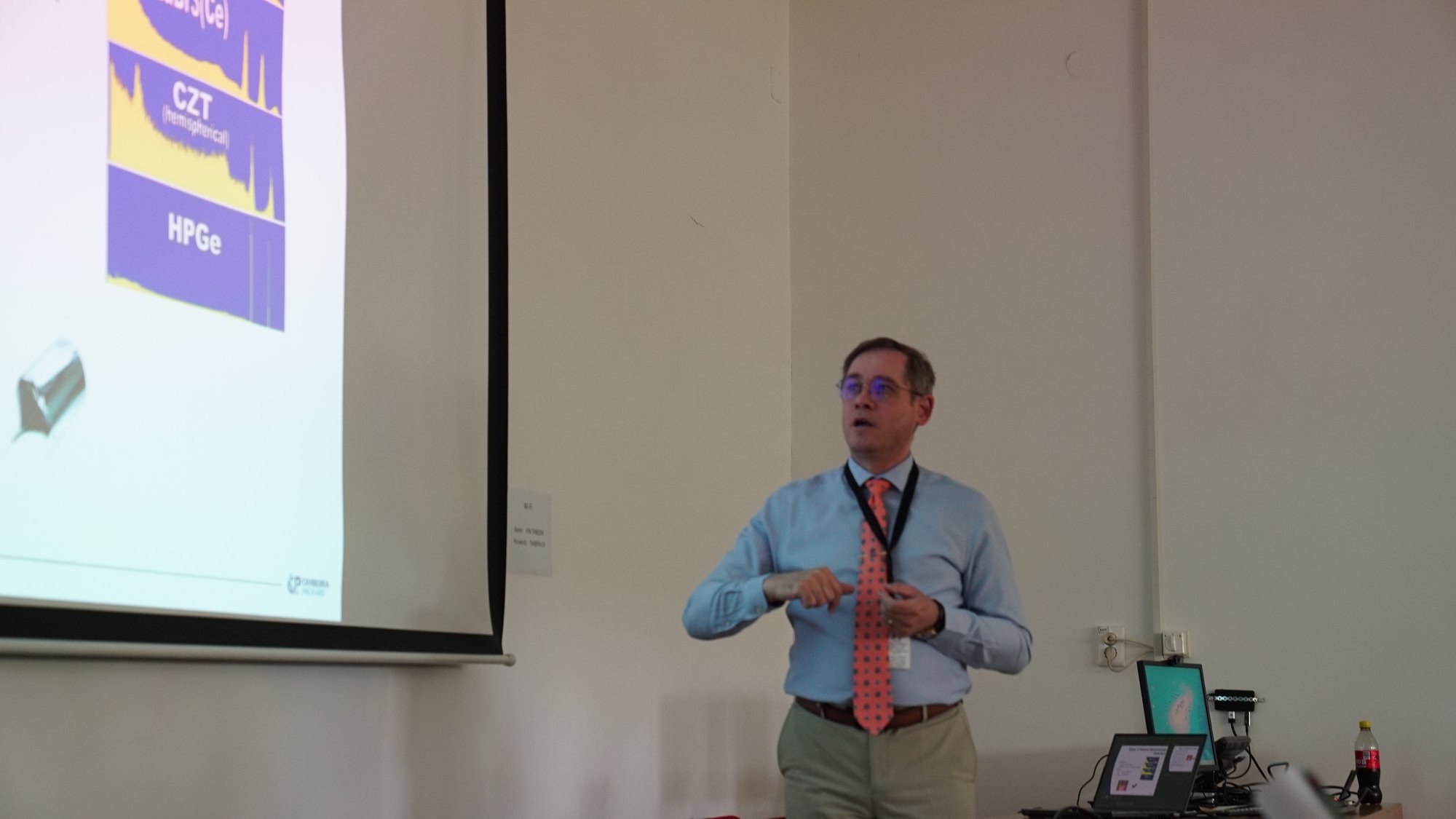
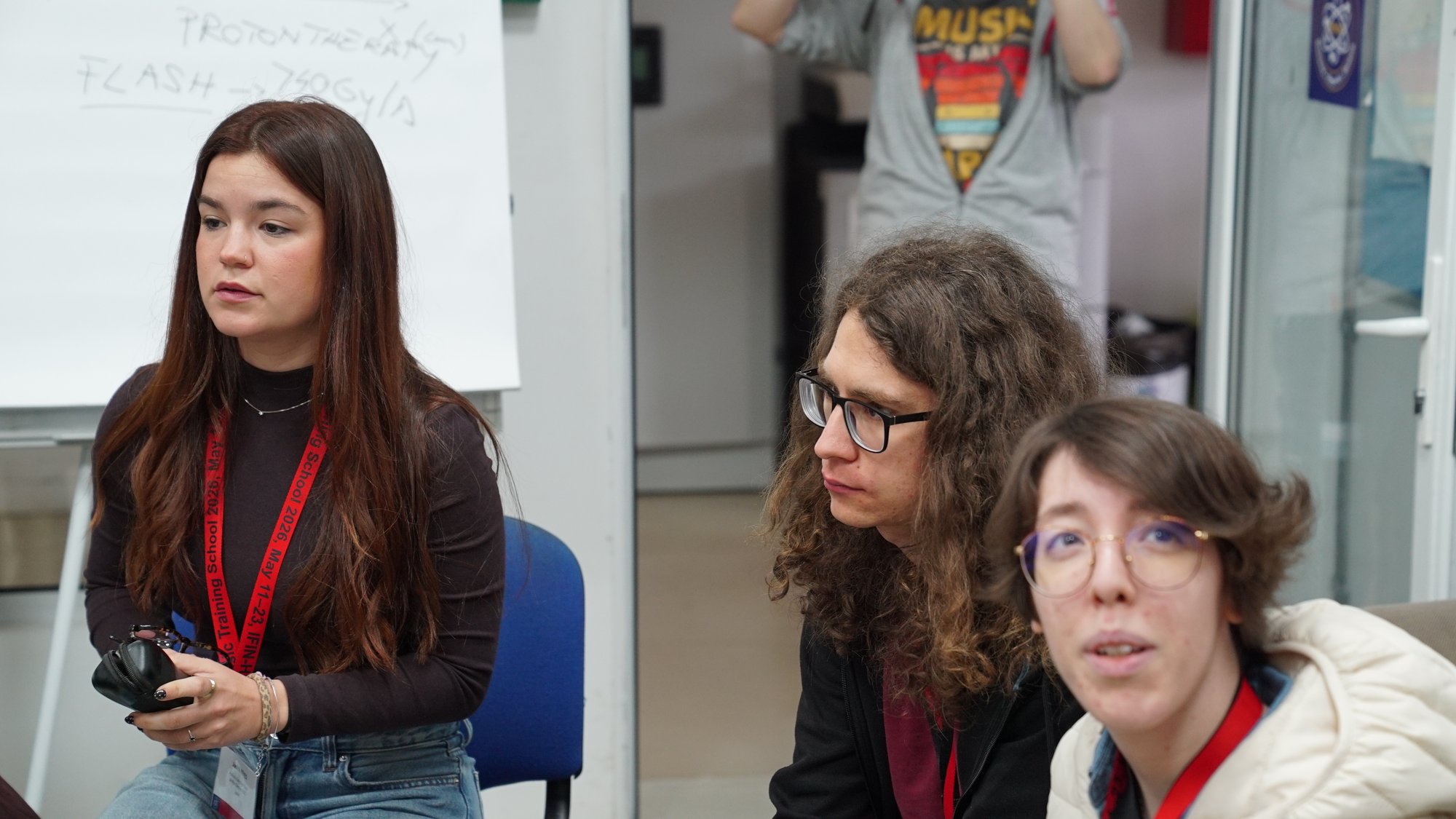
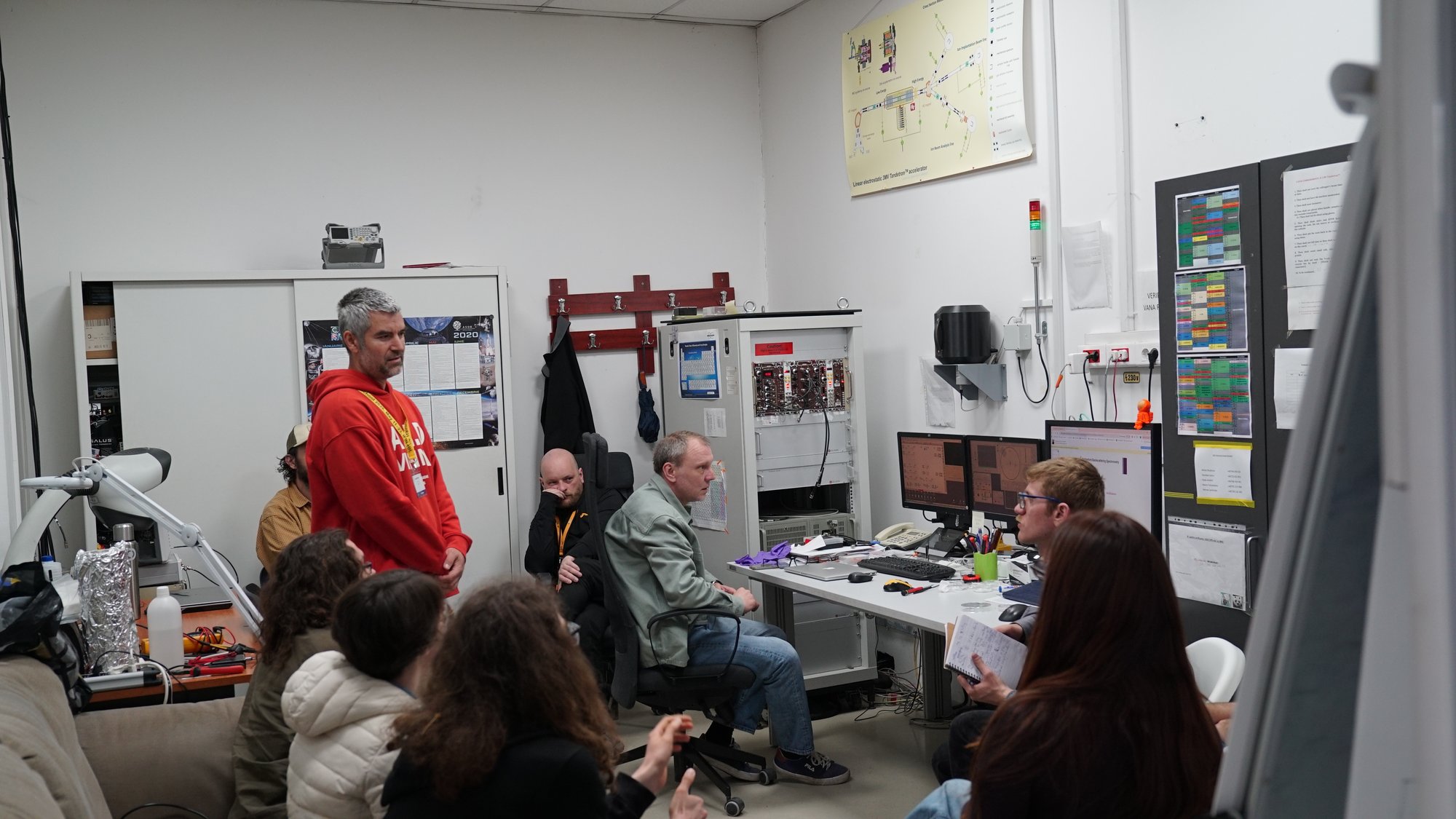
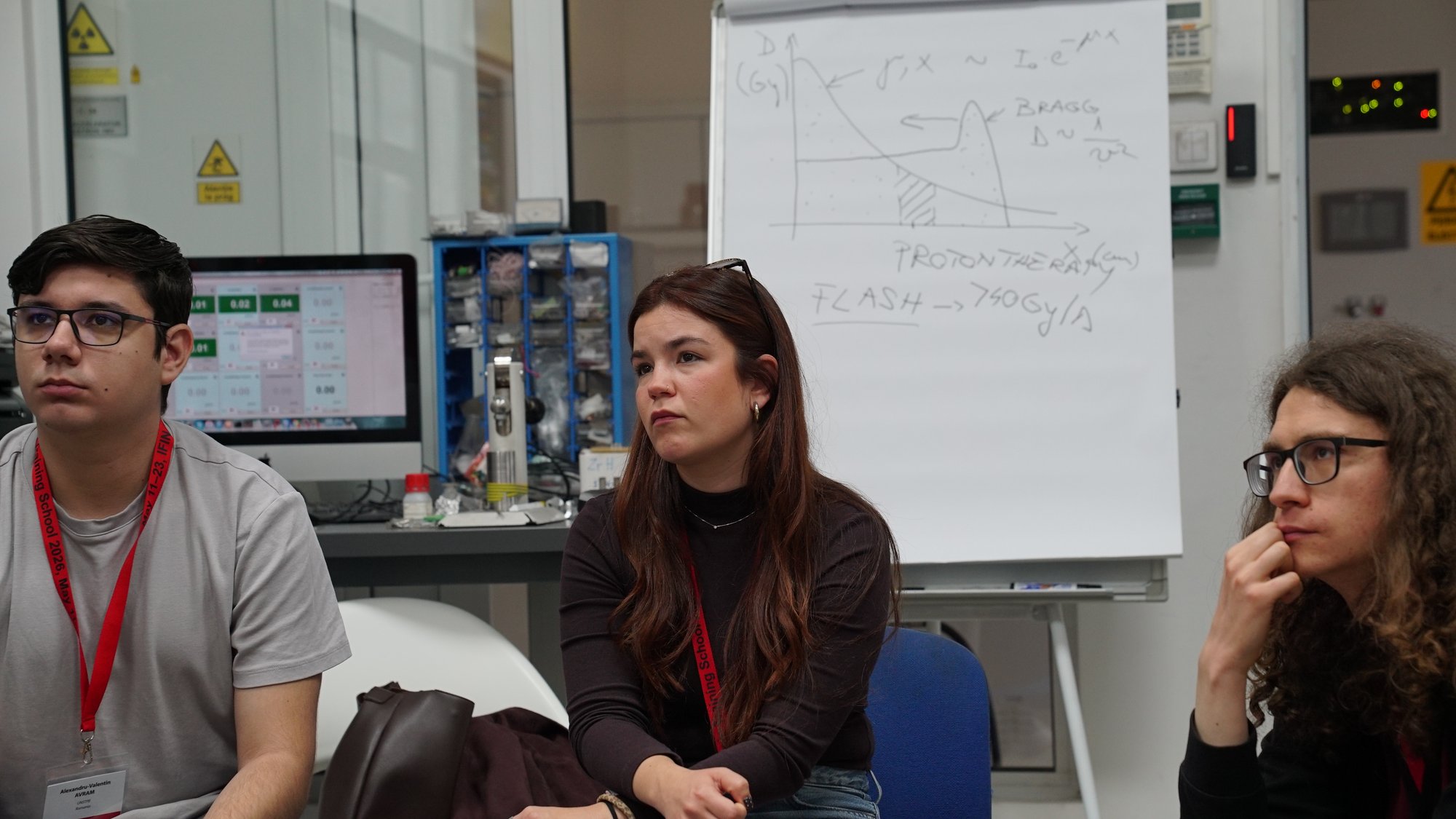
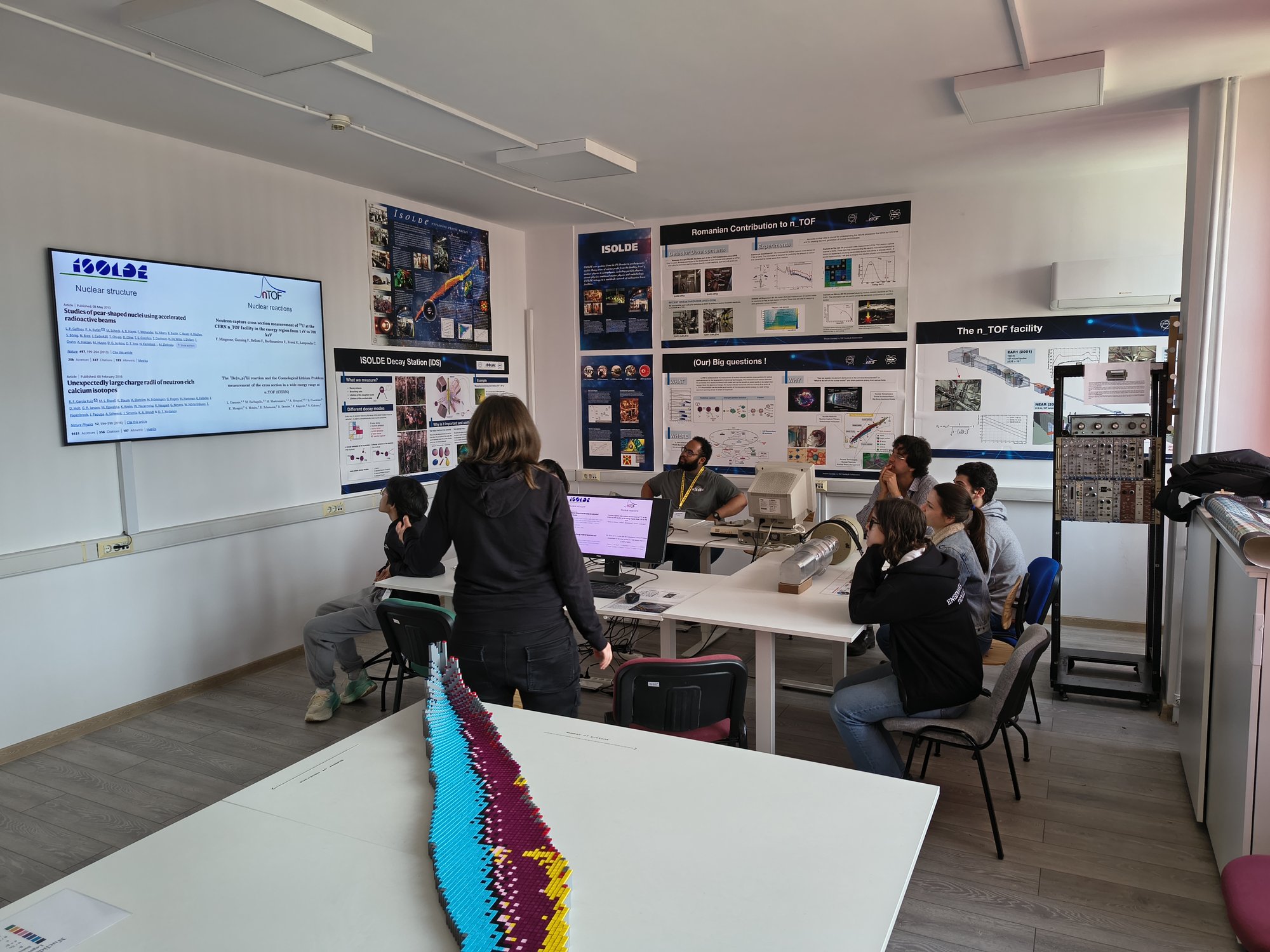
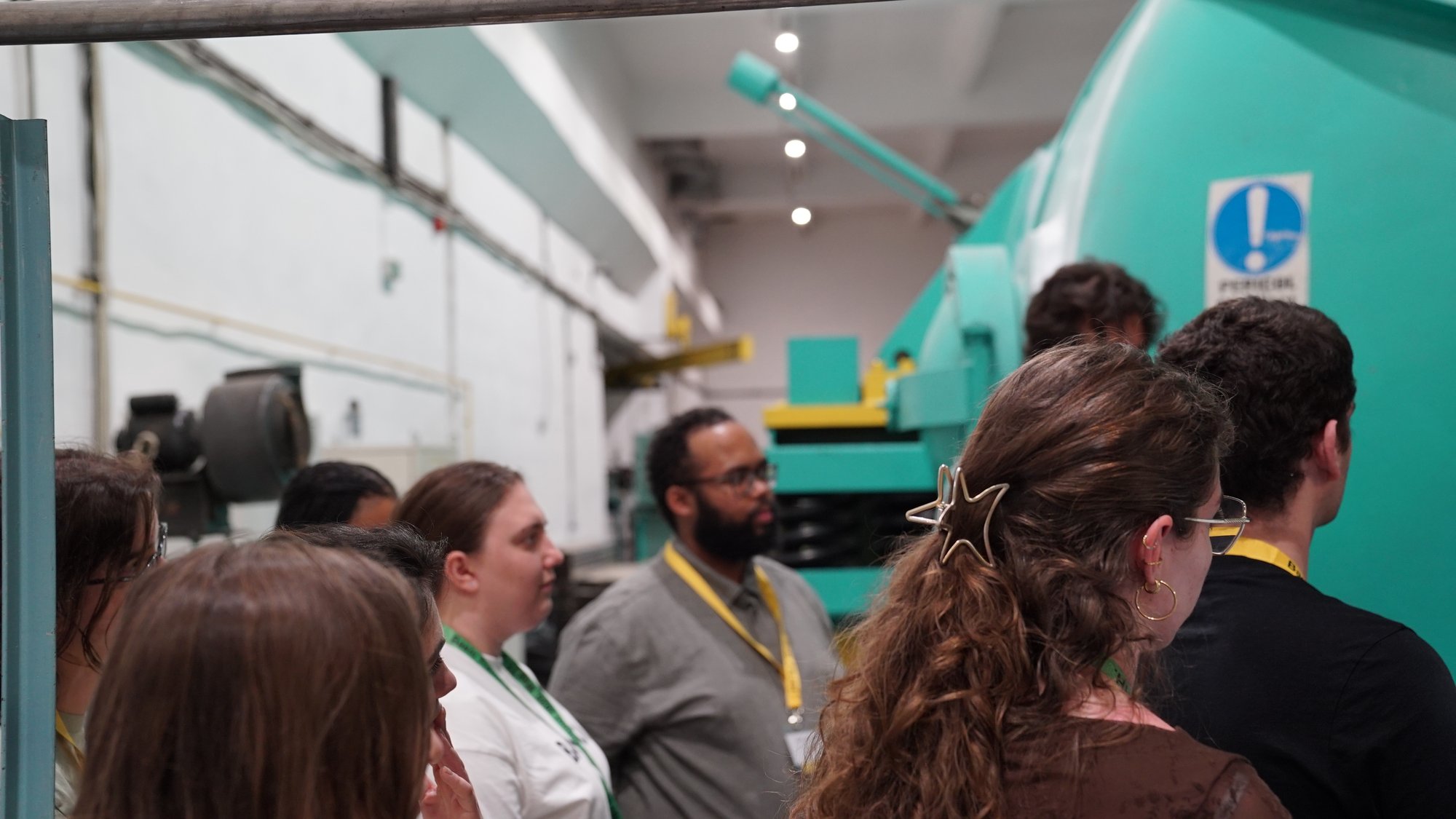
In May 2026, IFIN-HH hosted the Basic Training School of EURO-LABS — a network of 33 research and academic institutions across 18 countries that provides shared access to 47 research infrastructures spanning nuclear physics, accelerators, and detector technology for high-energy physics. Over two weeks (11–23 May), 24 Masters, PhD, and early-career postdoctoral trainees selected from across Europe came to Măgurele for hands-on training, with travel, accommodation, and subsistence fully funded by EURO-LABS.
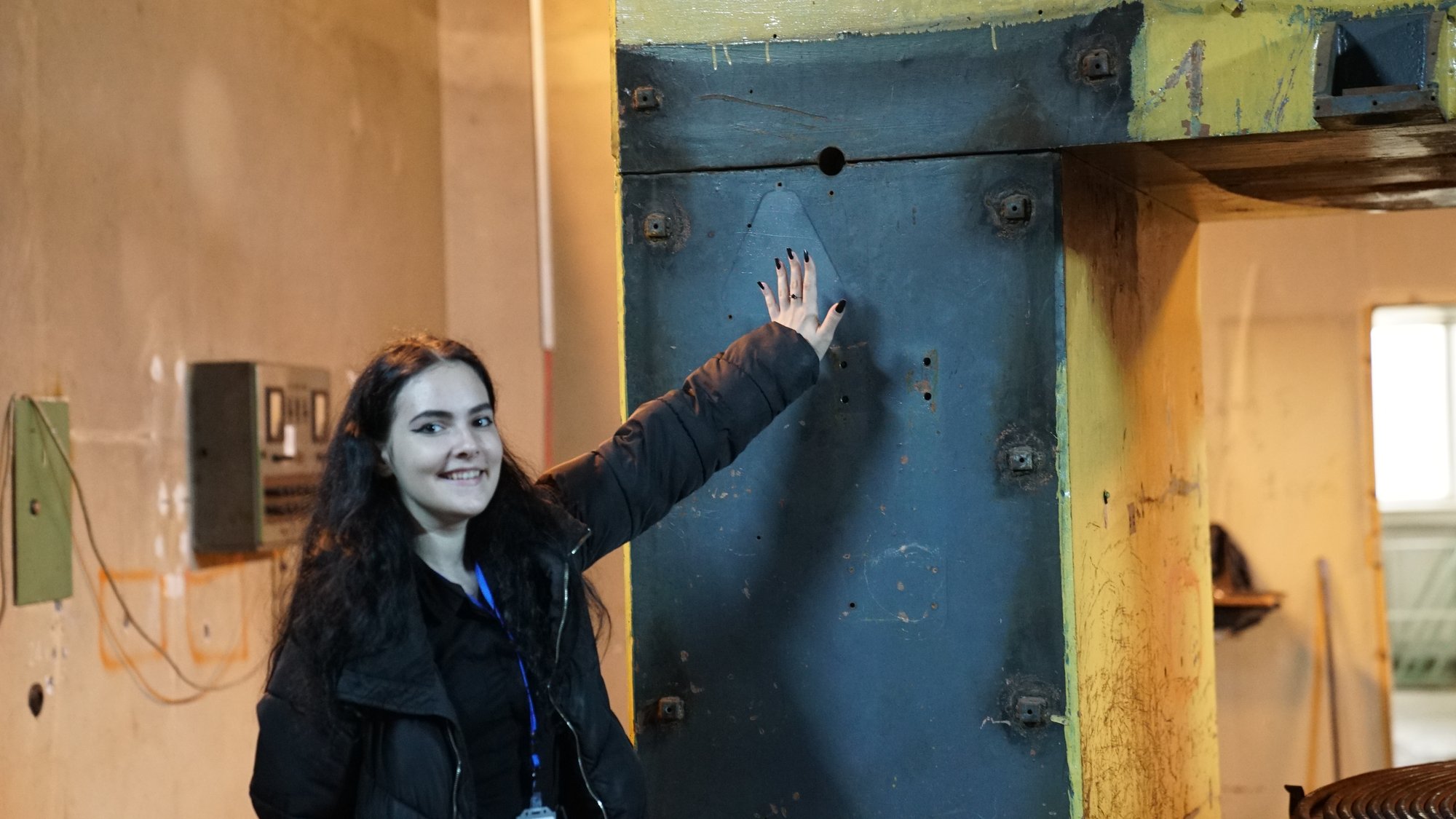
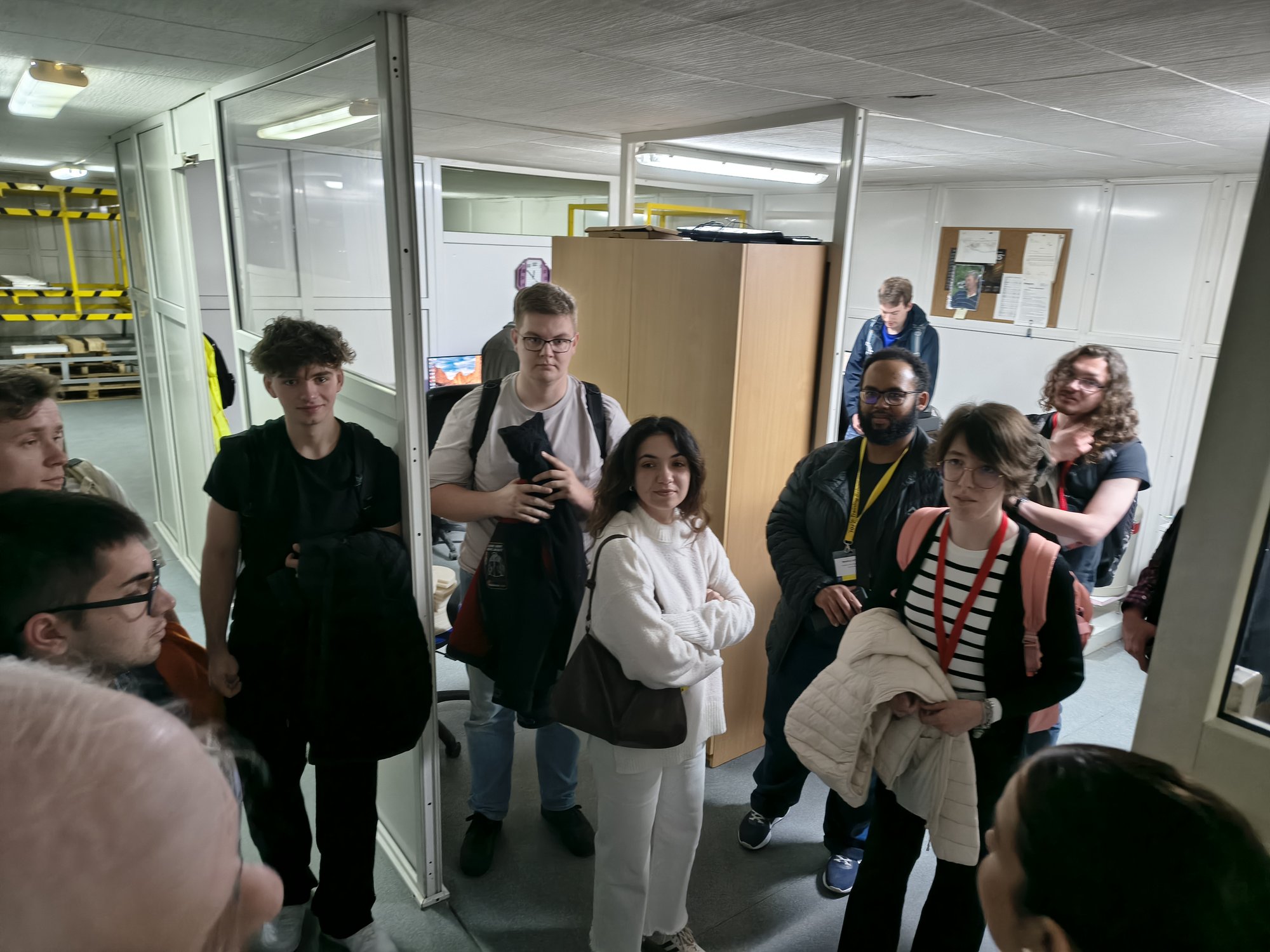
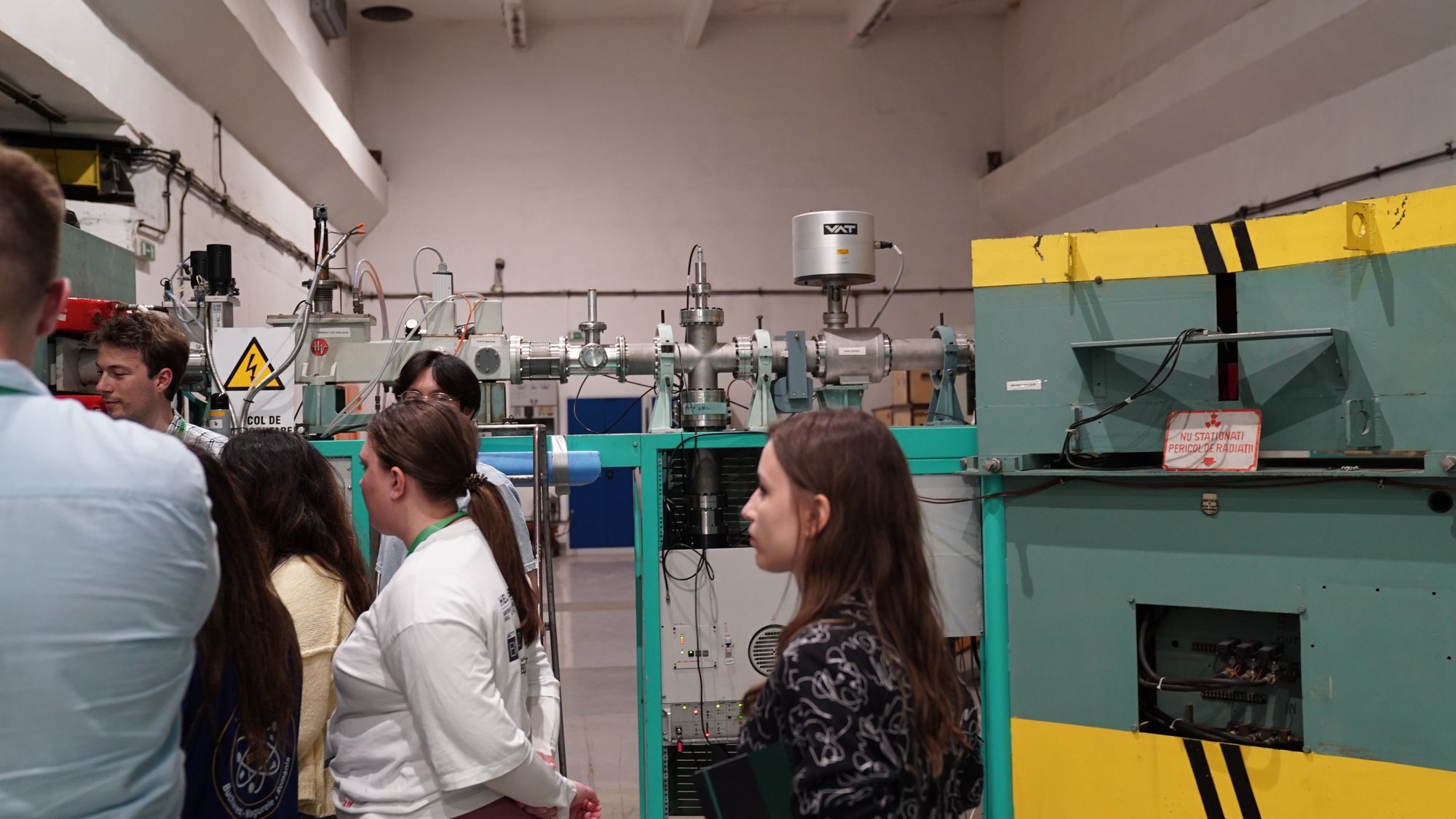
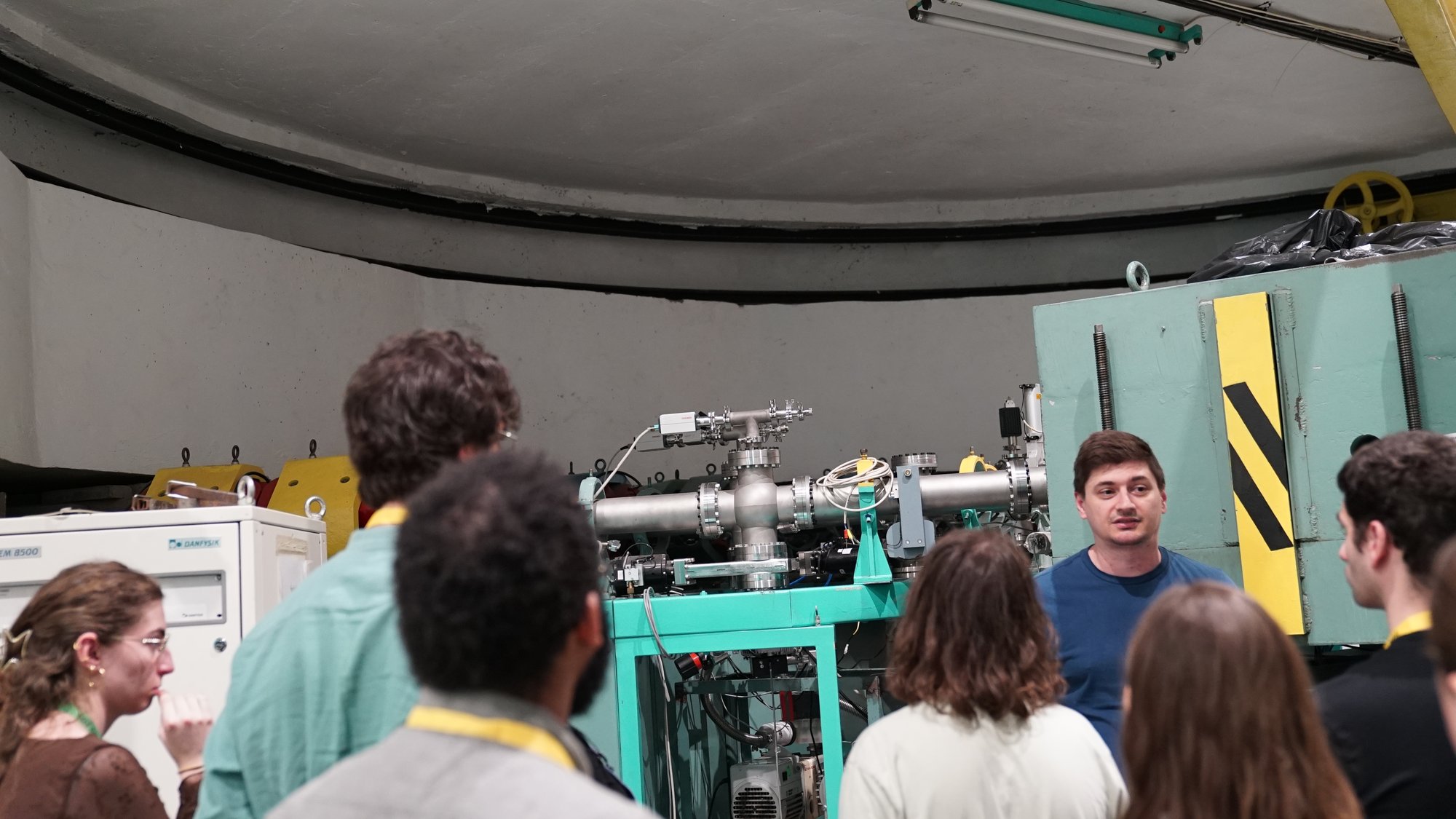
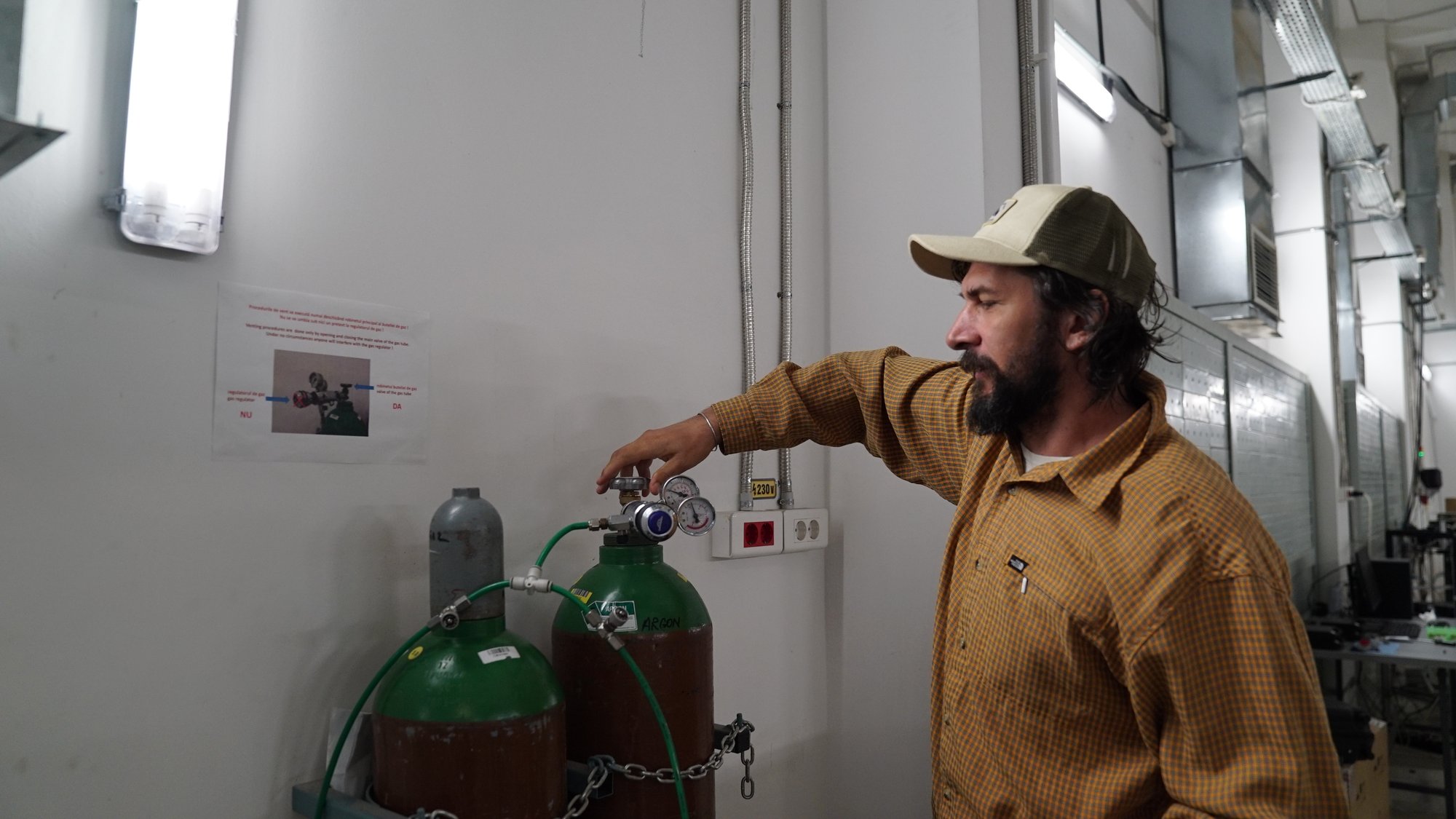
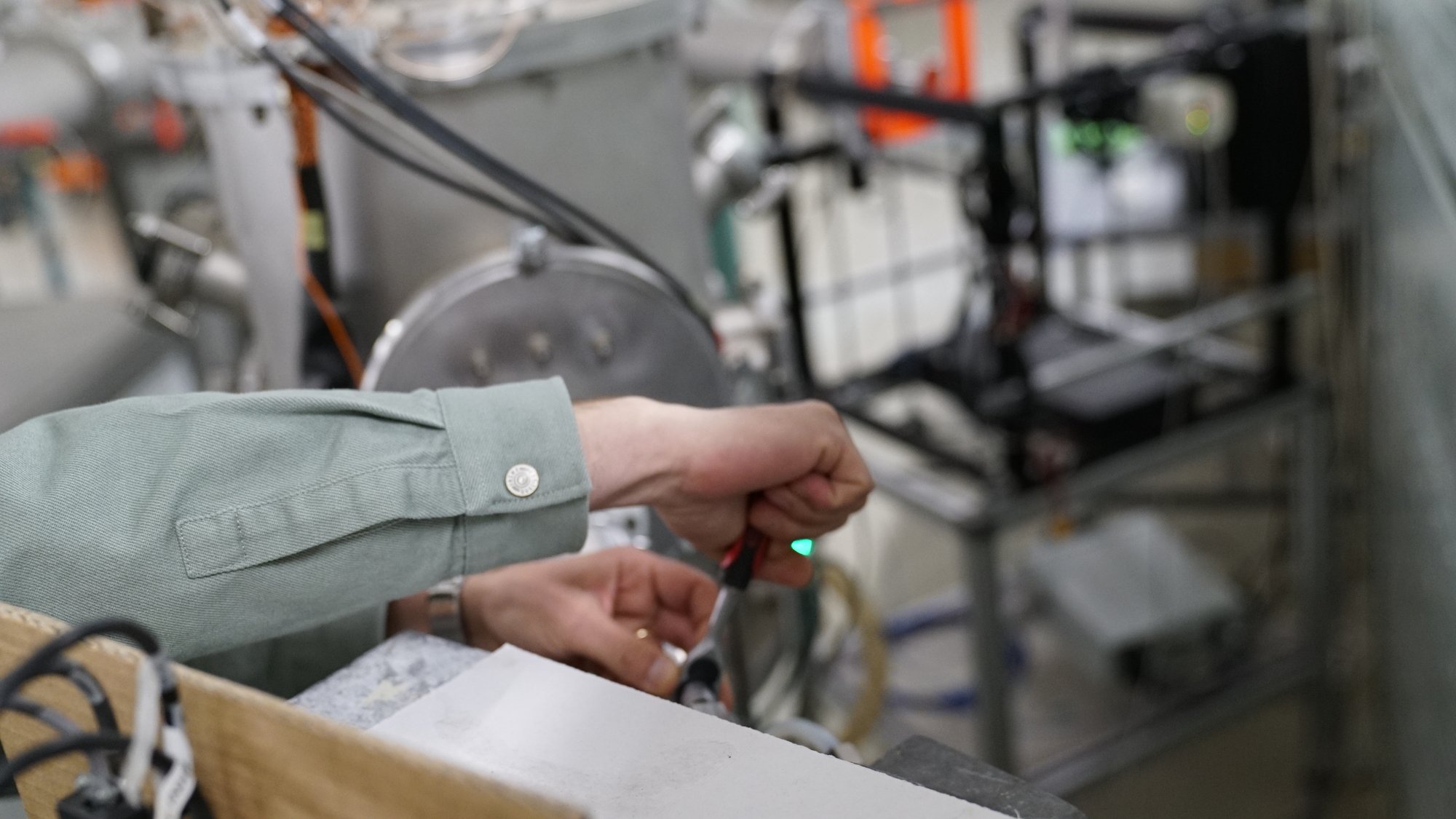
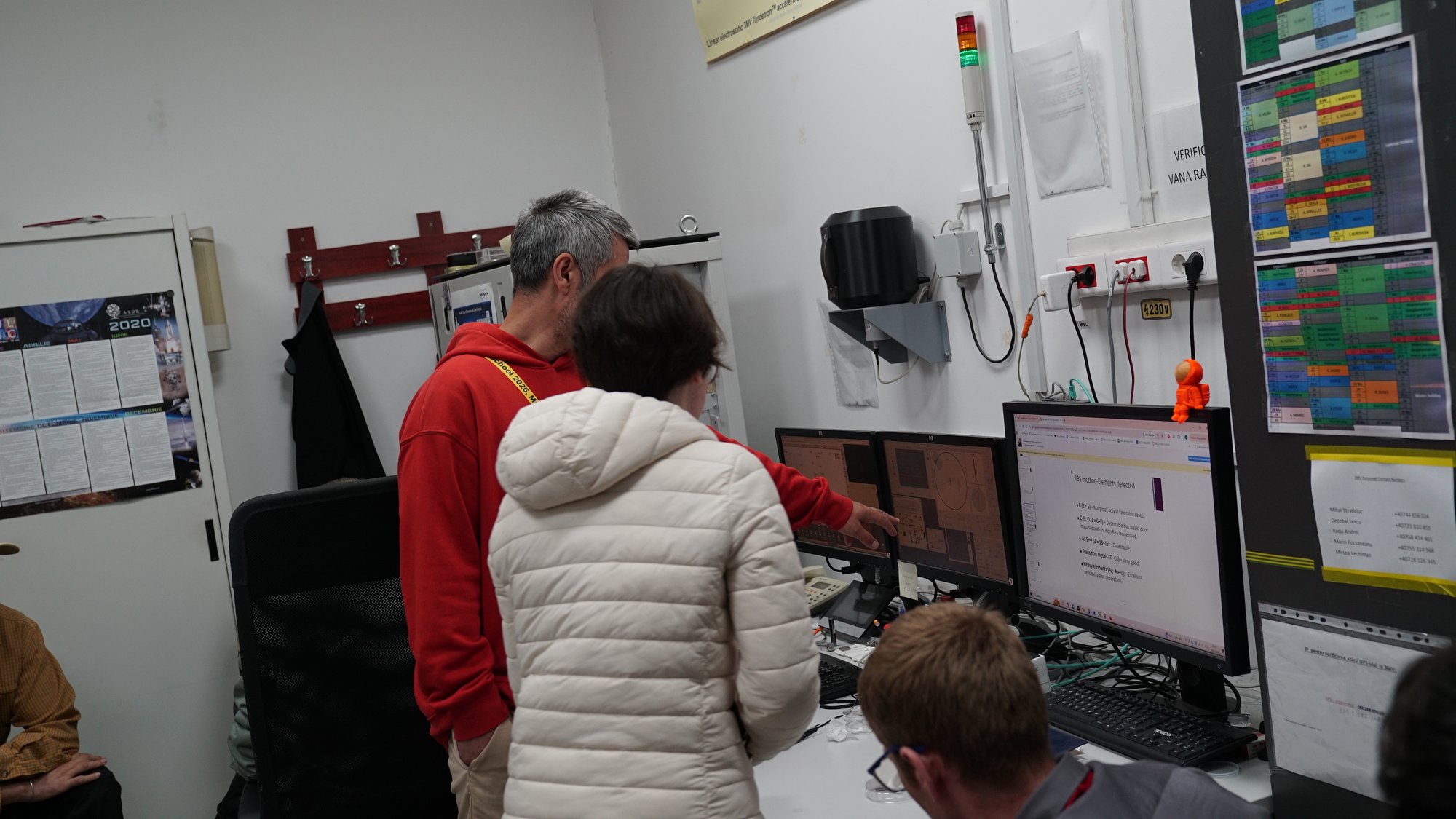
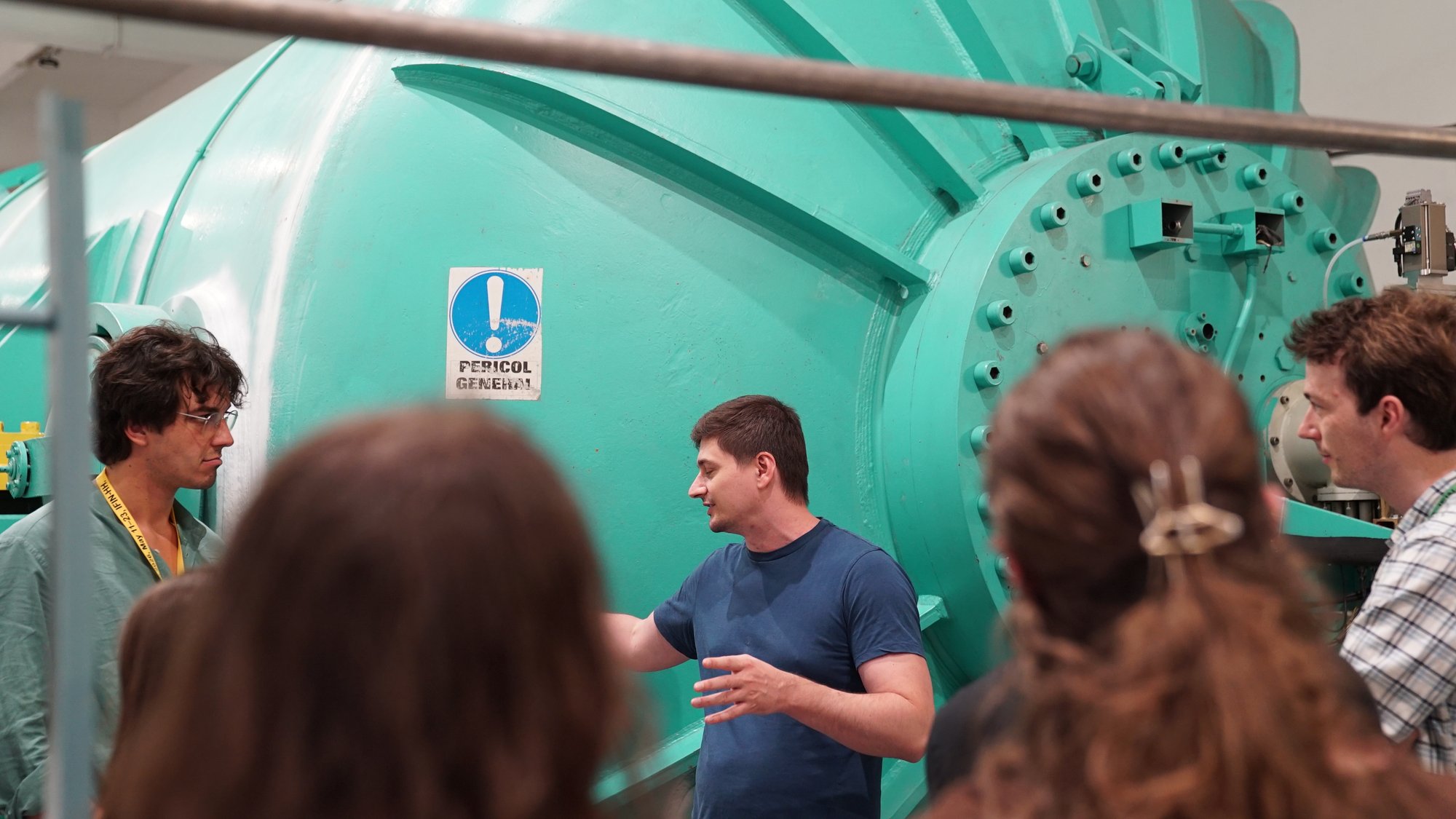
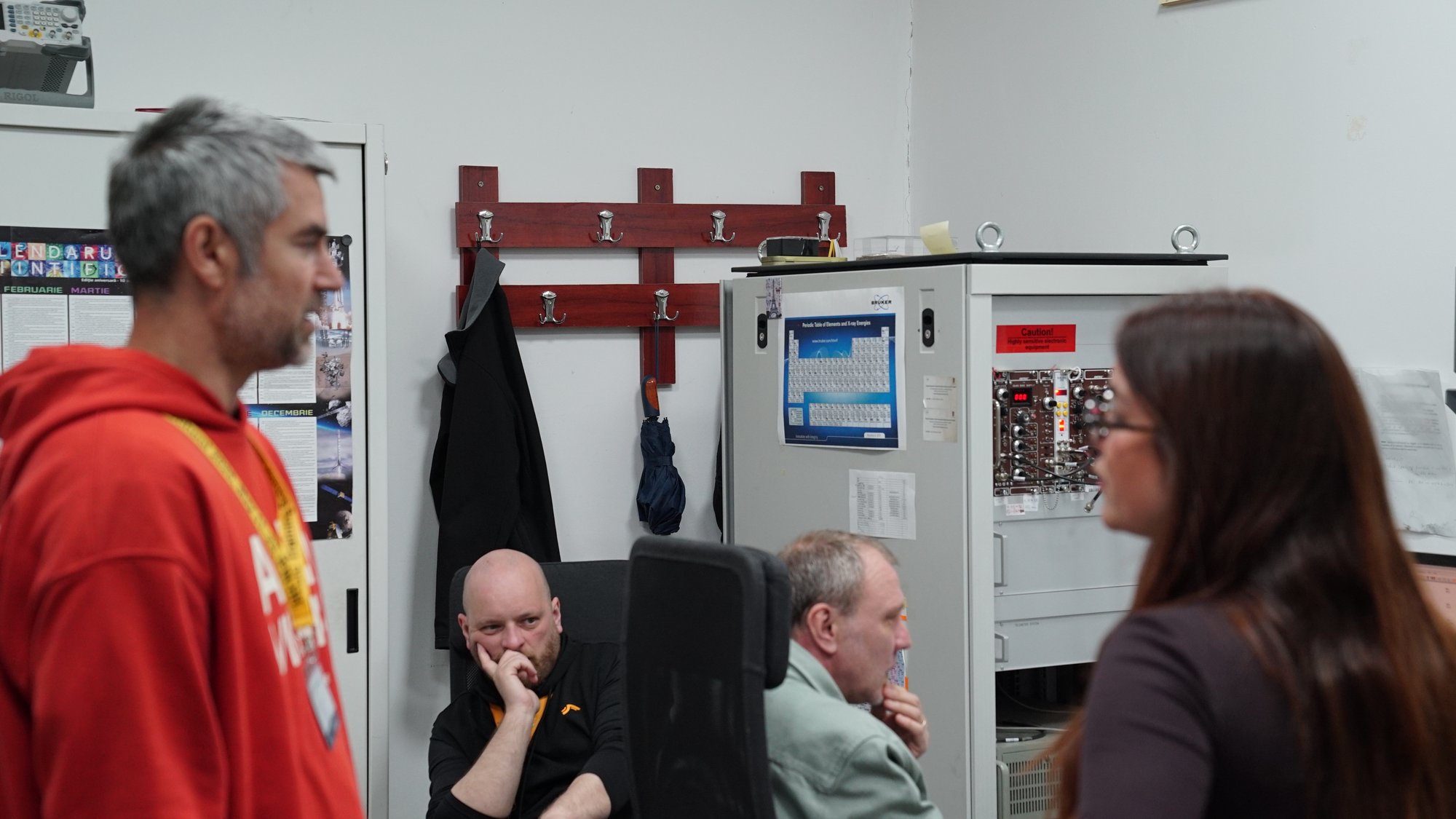
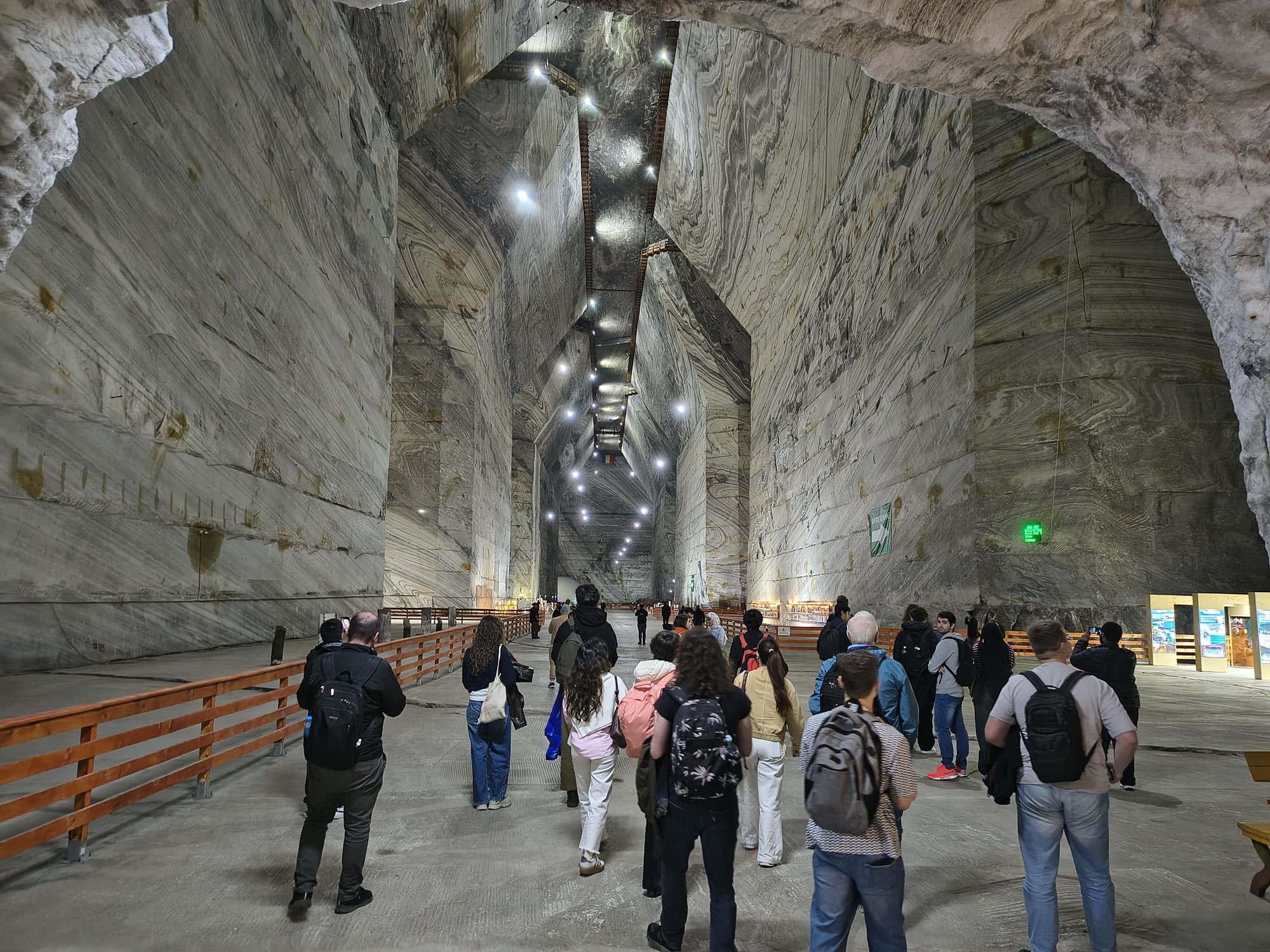
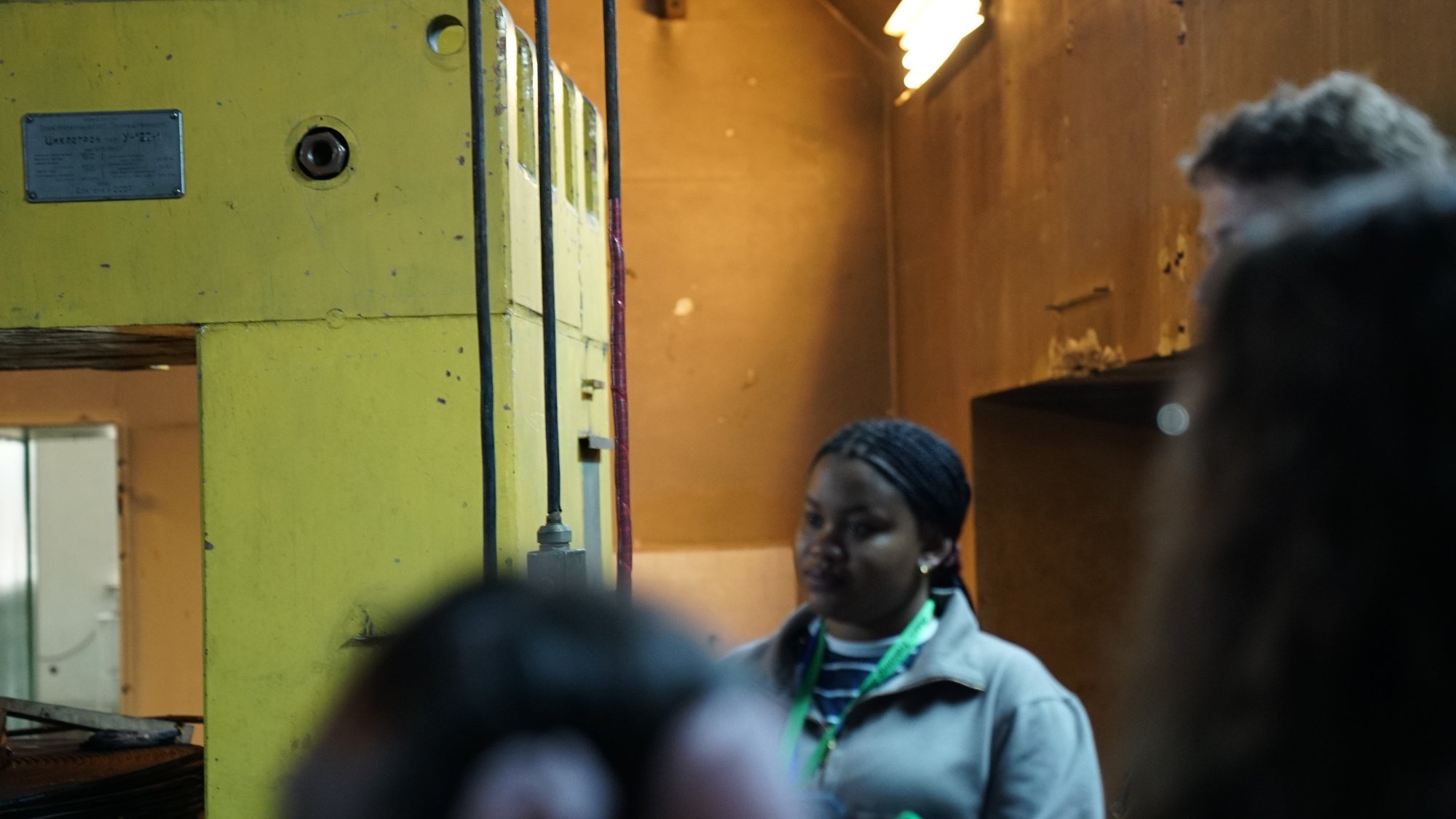
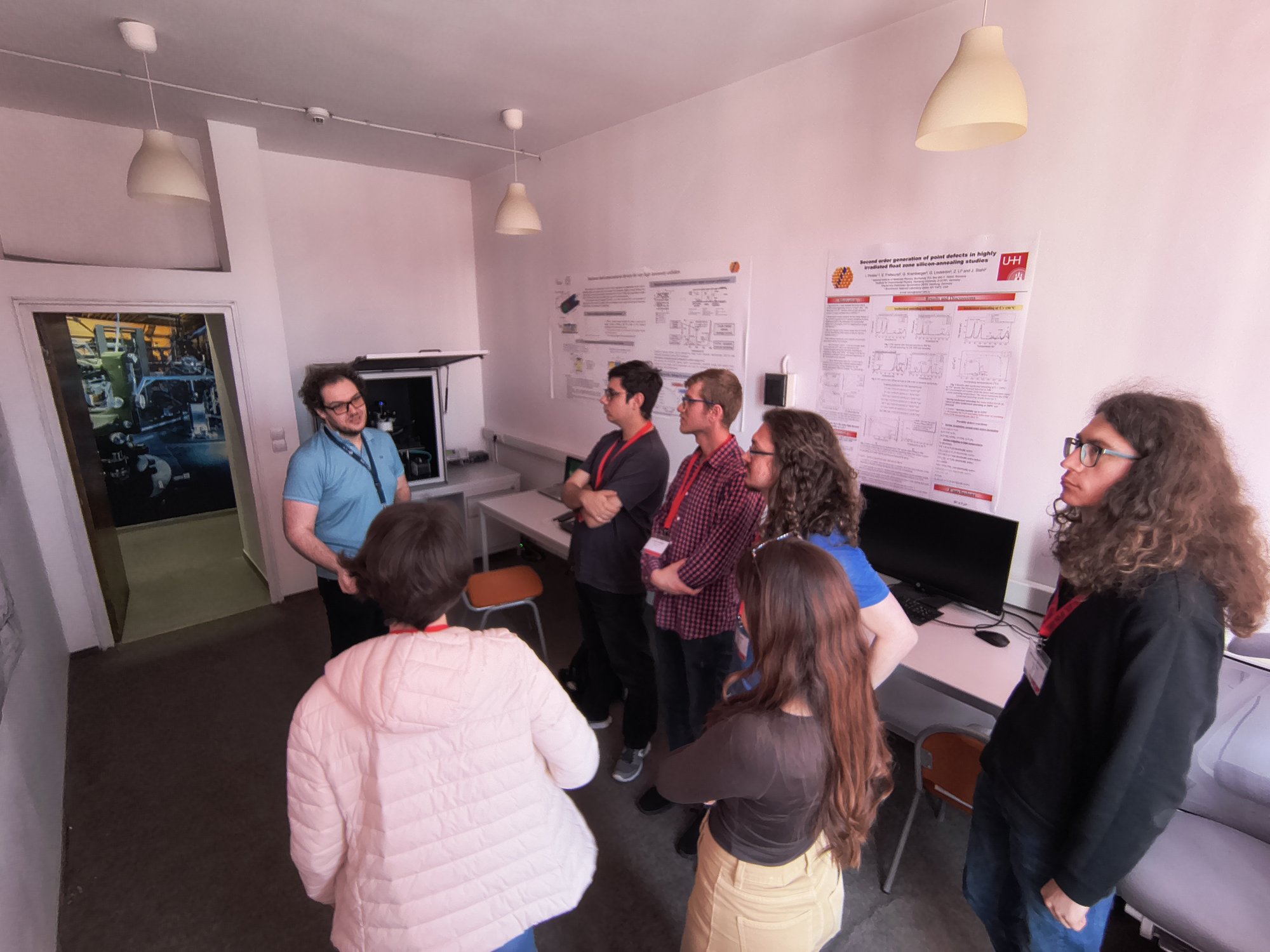
The programme covered target preparation, high-vacuum technology, and the detectors our own researchers use daily — HPGe and LaBr3(Ce) gamma spectrometers in the ROSPHERE array, neutron detectors, scintillators, and silicon detectors — alongside data-acquisition electronics. Trainees spent two full days at each of the 9 MV, 3 MV, and 1 MV (RoAMS) tandem accelerators — six days in total — manning real experiments, including accelerator and detector calibration and radiocarbon dating at RoAMS. The school also visited the ultra-low-background laboratory in a salt mine 125 km north of Măgurele, and toured other IFIN-HH facilities including HPD, IRASM, and ELI-NP.
See the full BTS26 programme on Indico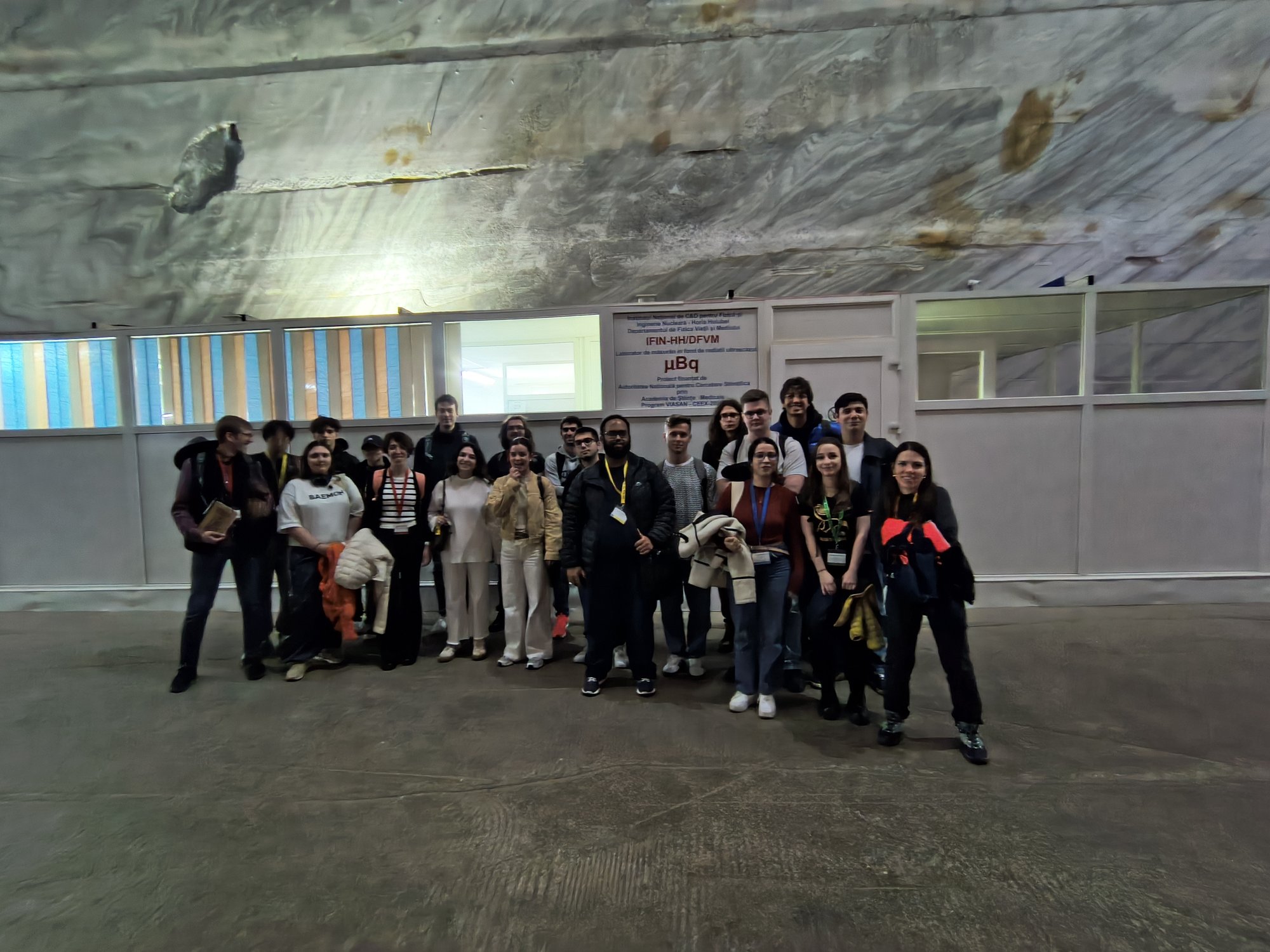
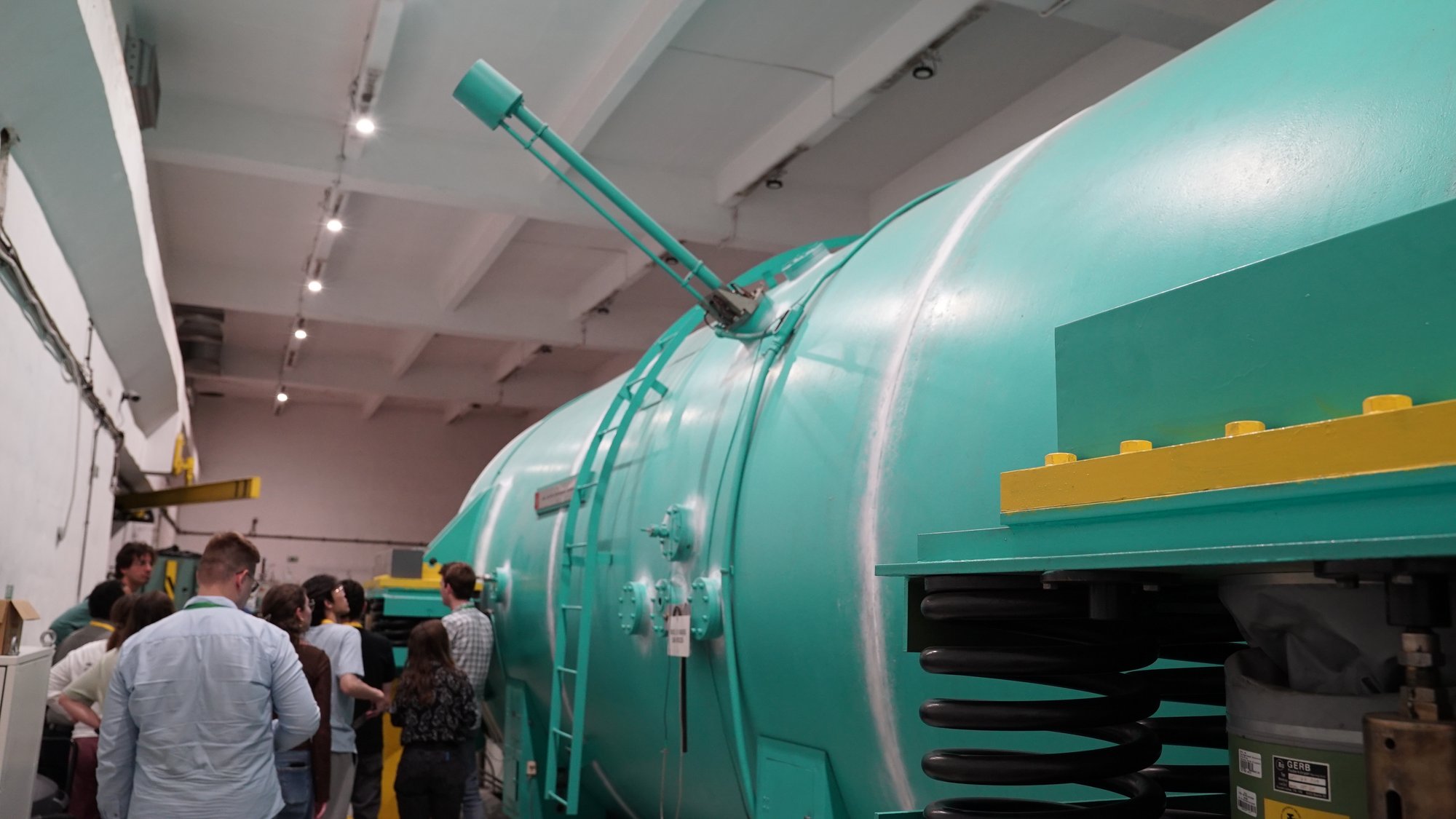
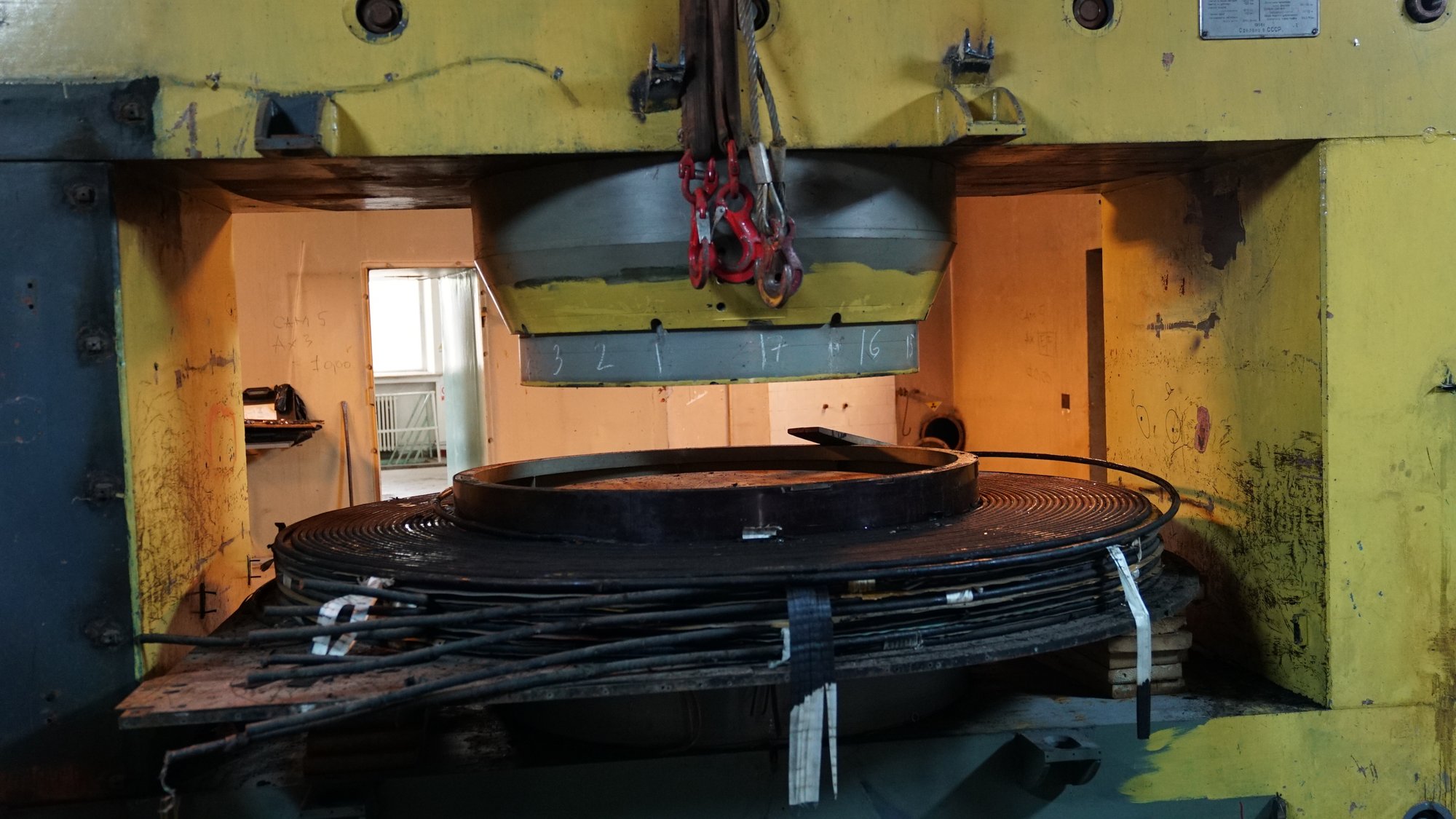
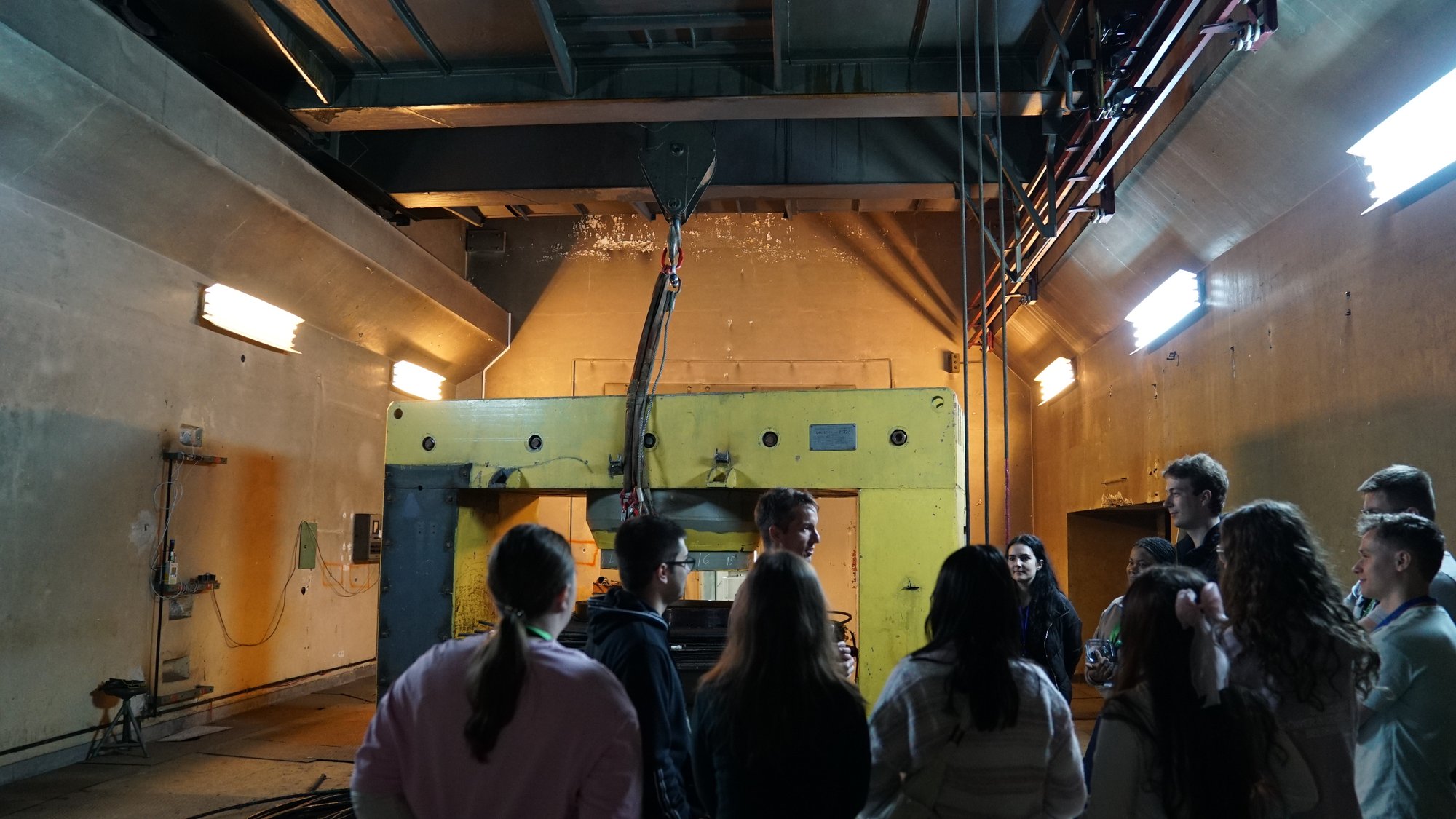
BTS26 in pictures
Trainees at work across our accelerator halls, laboratories, and the underground salt-mine facility
School visits and the Horizon project
Bringing nuclear physics to classrooms across Romania
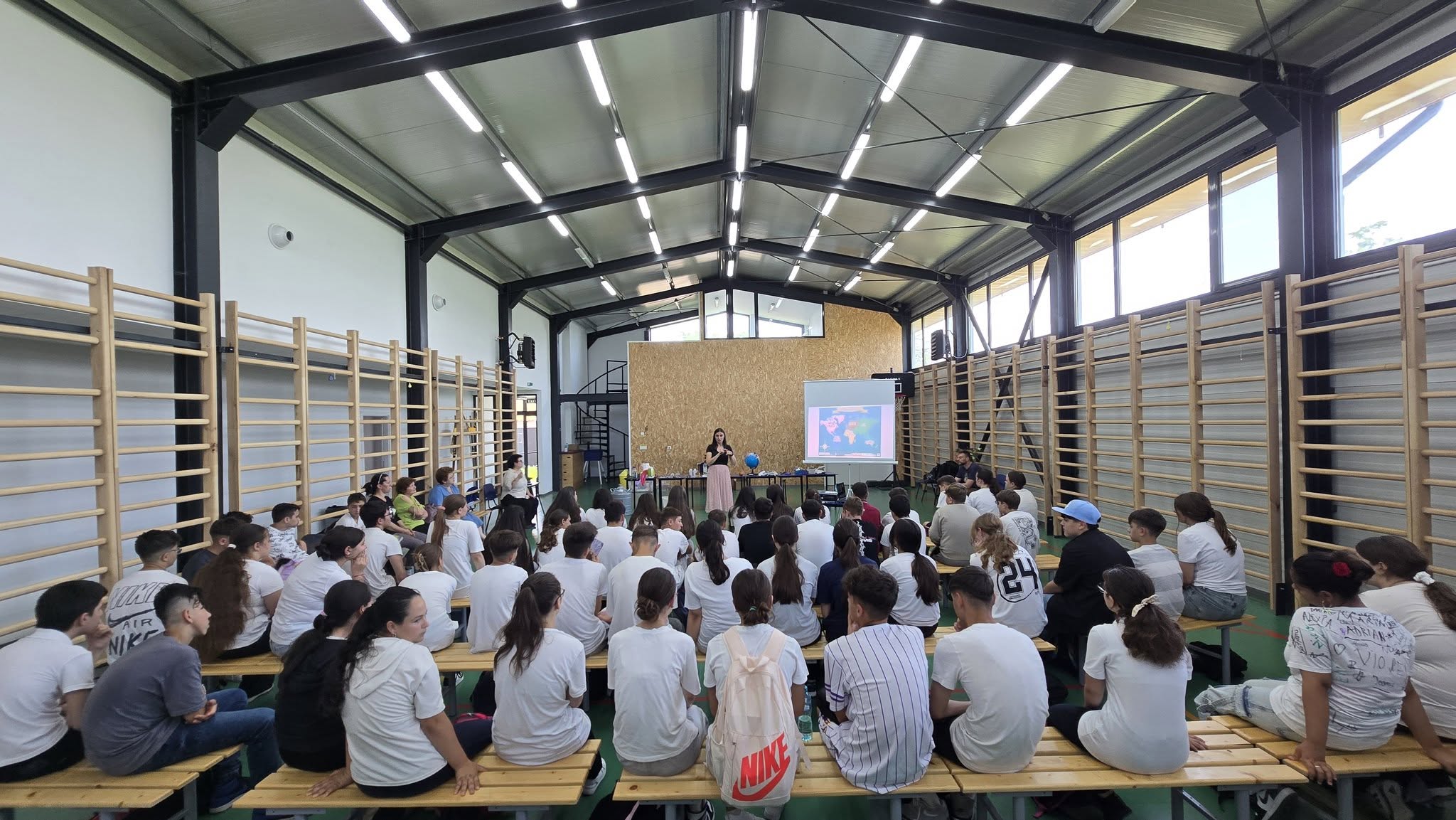
We regularly visit schools to show students what it means to work in applied nuclear physics. Using simple demonstrations, interactive talks, and examples from our research, we explain how accelerators, detectors, and radioisotopes are used in medicine, environmental studies, cultural heritage, and industry.
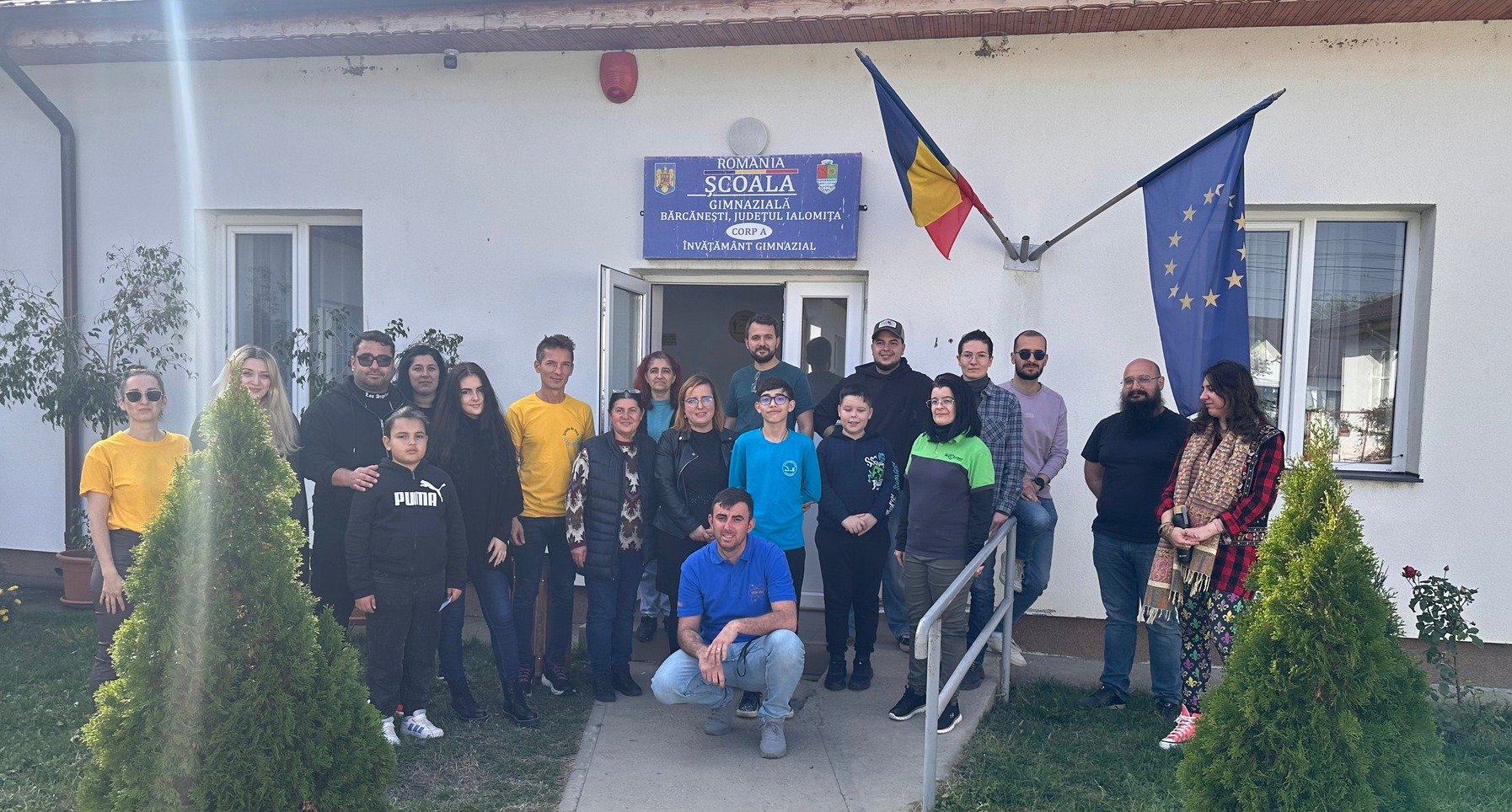
Through the Horizon project, we travel especially to schools in less advantaged areas of Romania. Together with teachers and local partners, we organise full-day events where pupils learn about nuclear physics in a friendly and accessible way, try hands-on activities, and discuss career paths in science and engineering.
- Age-adapted presentations about atoms, radiation, and applications.
- Interactive experiments and simple detector demonstrations.
- Q&A sessions about studying physics and working in a research institute.
- Support materials for teachers for follow-up activities in class.
Tours of the institute and accelerators
Opening the doors of our laboratories
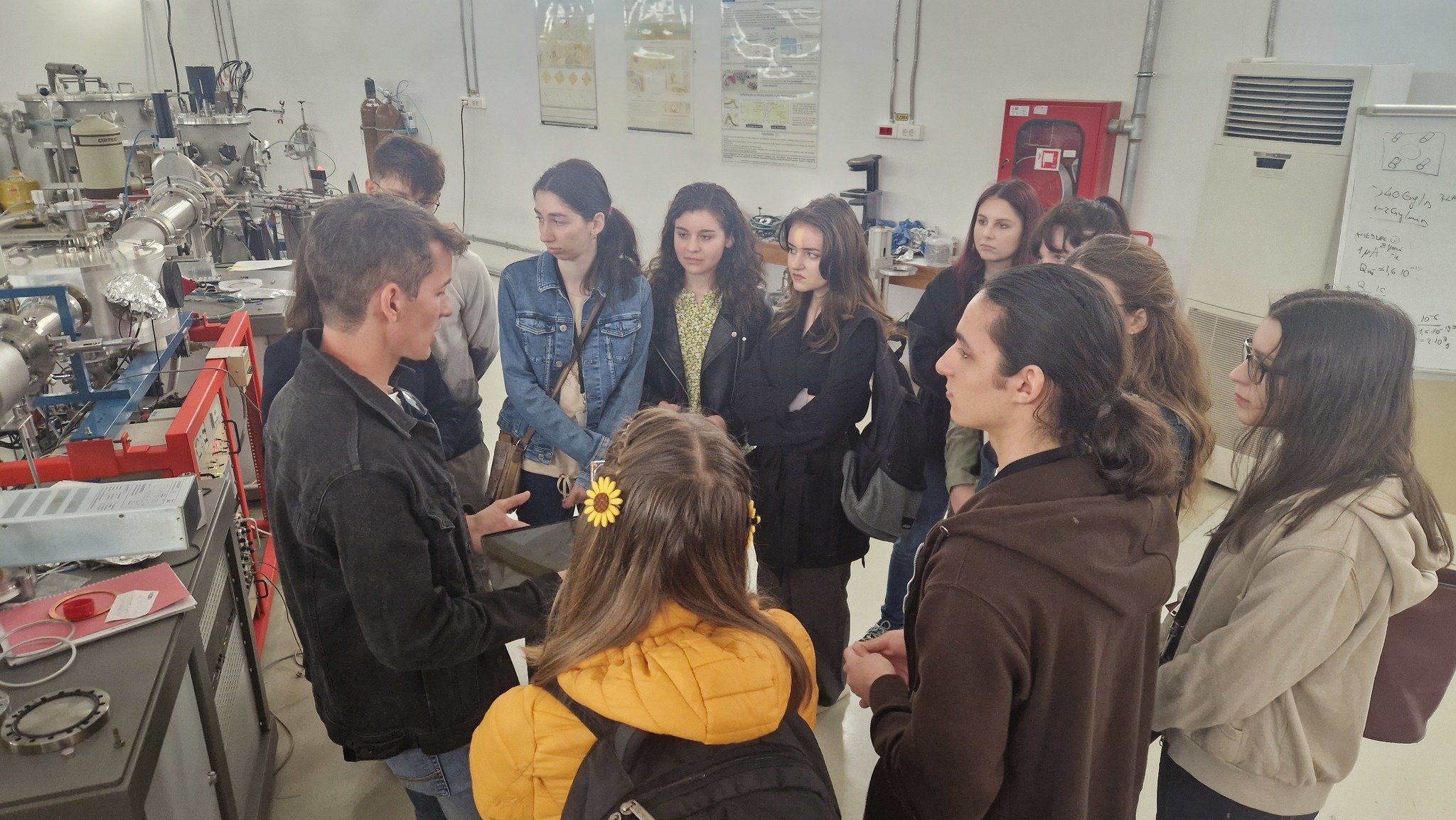
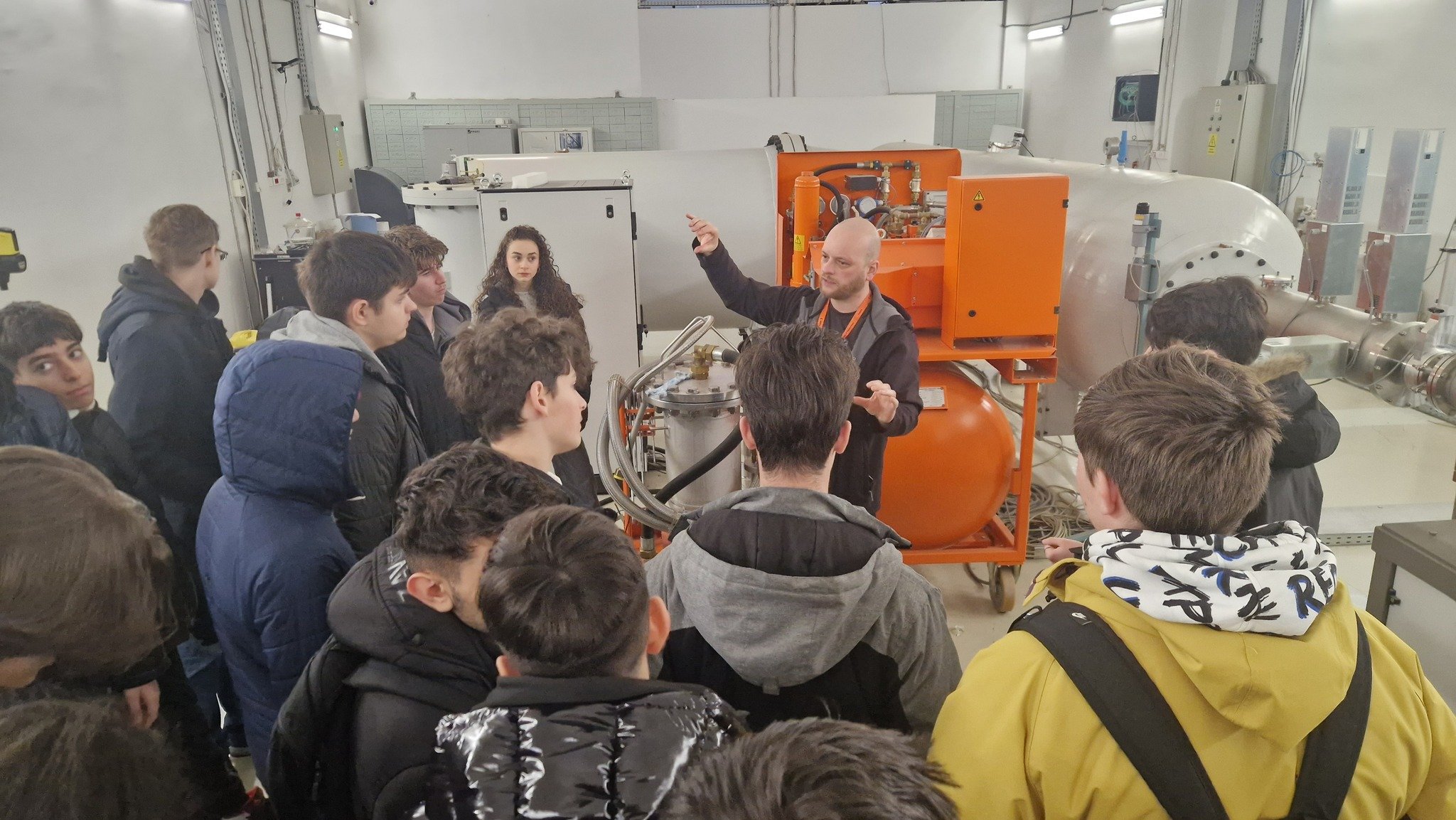
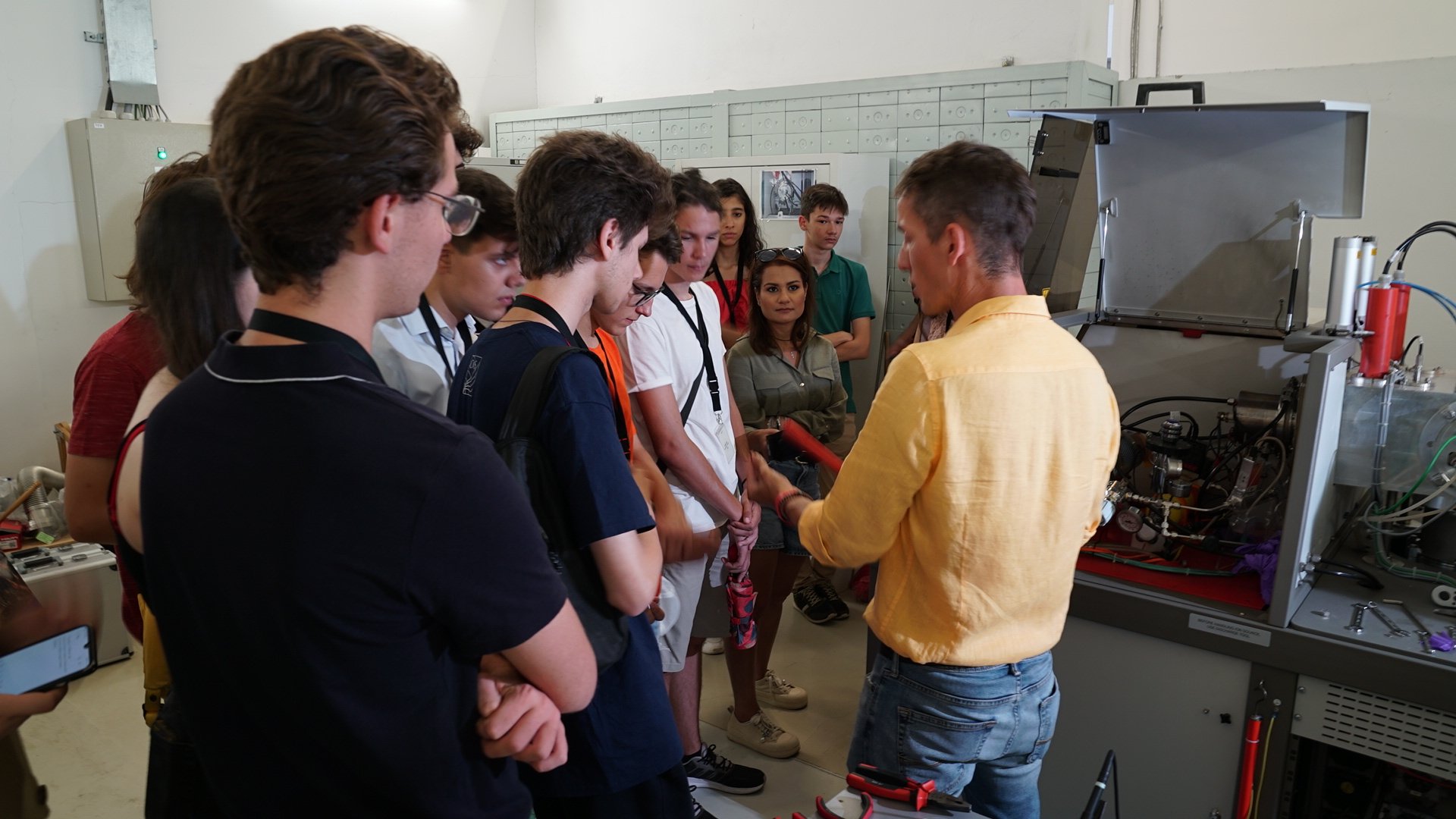
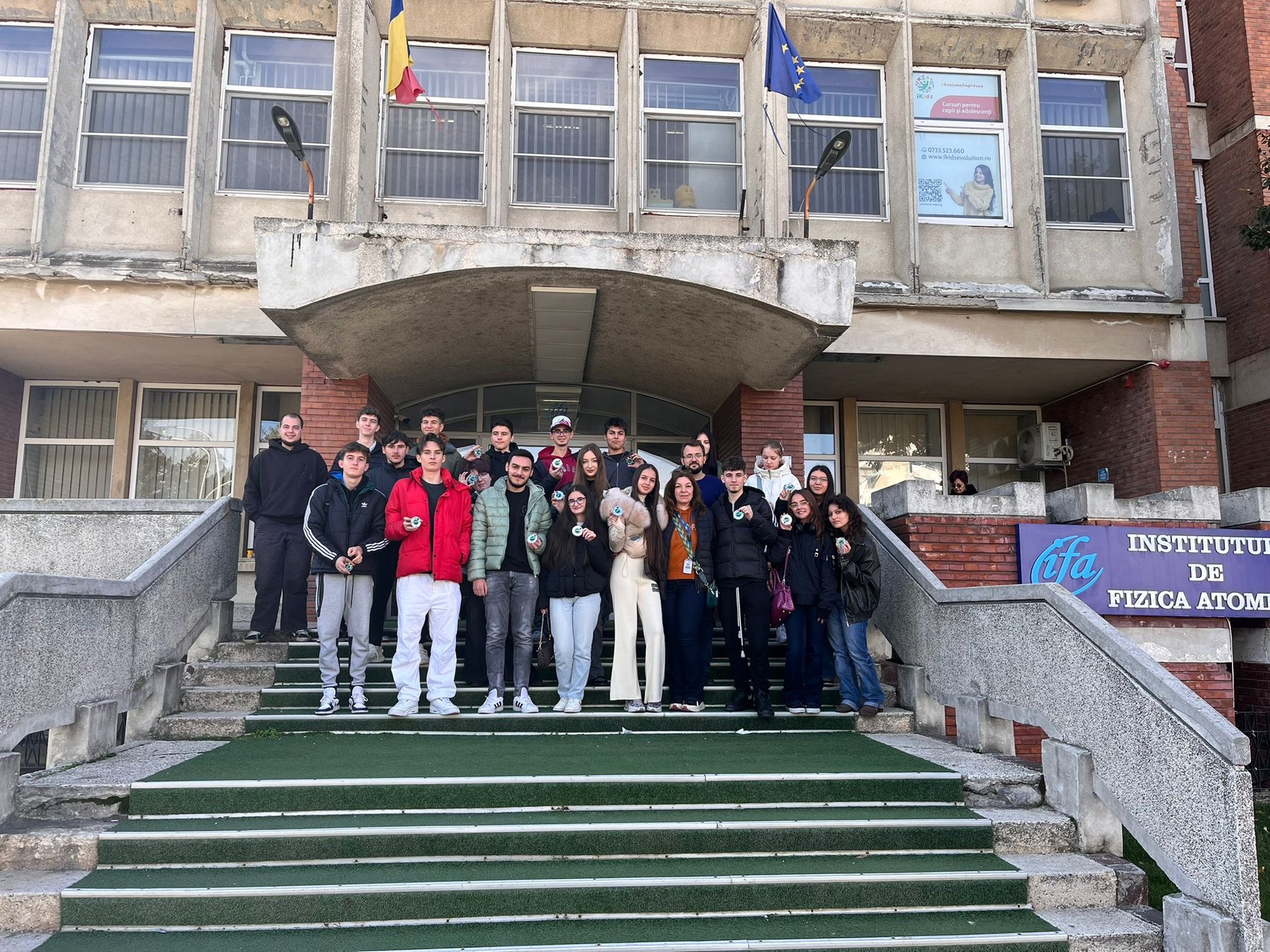
We organise guided tours of IFIN‑HH and our accelerator facilities for universities, schools, and invited guests. Visitors can see the 3 MV and 1 MV Tandetron accelerators, learn how ion beams are produced and transported, and discover how we use them for analysis, materials modification, and radiocarbon dating.
Tours typically include a general introduction in a seminar room, followed by visits to the accelerator halls and associated laboratories (detectors, electronics, chemistry labs). For safety reasons, access is planned in advance and adapted to the age and background of the group.
- Dedicated sessions for high-school and university students.
- Special programmes during events such as „Școala altfel”.
- Opportunities to meet researchers and ask questions about their work.
Collaborations and partnerships
Working together with teachers, institutes, and researchers
Outreach is a team effort. We collaborate closely with schools, universities, teacher associations, and other research institutes in Romania and abroad. Our researchers contribute to workshops, summer schools, public lectures, and science festivals, often in partnership with national and international projects.
These collaborations help us align our outreach content with school curricula, support teachers with up-to-date materials, and connect students with real research questions and experiments. Many of our activities also tie in with our broader research collaborations (CERN, FAIR, IAEA, and others) and highlight the role of Romania in global science.
Outreach gallery
Moments from visits, Horizon activities, and tours
Build-your-own accelerator
An open-hardware model we bring to fairs and classrooms
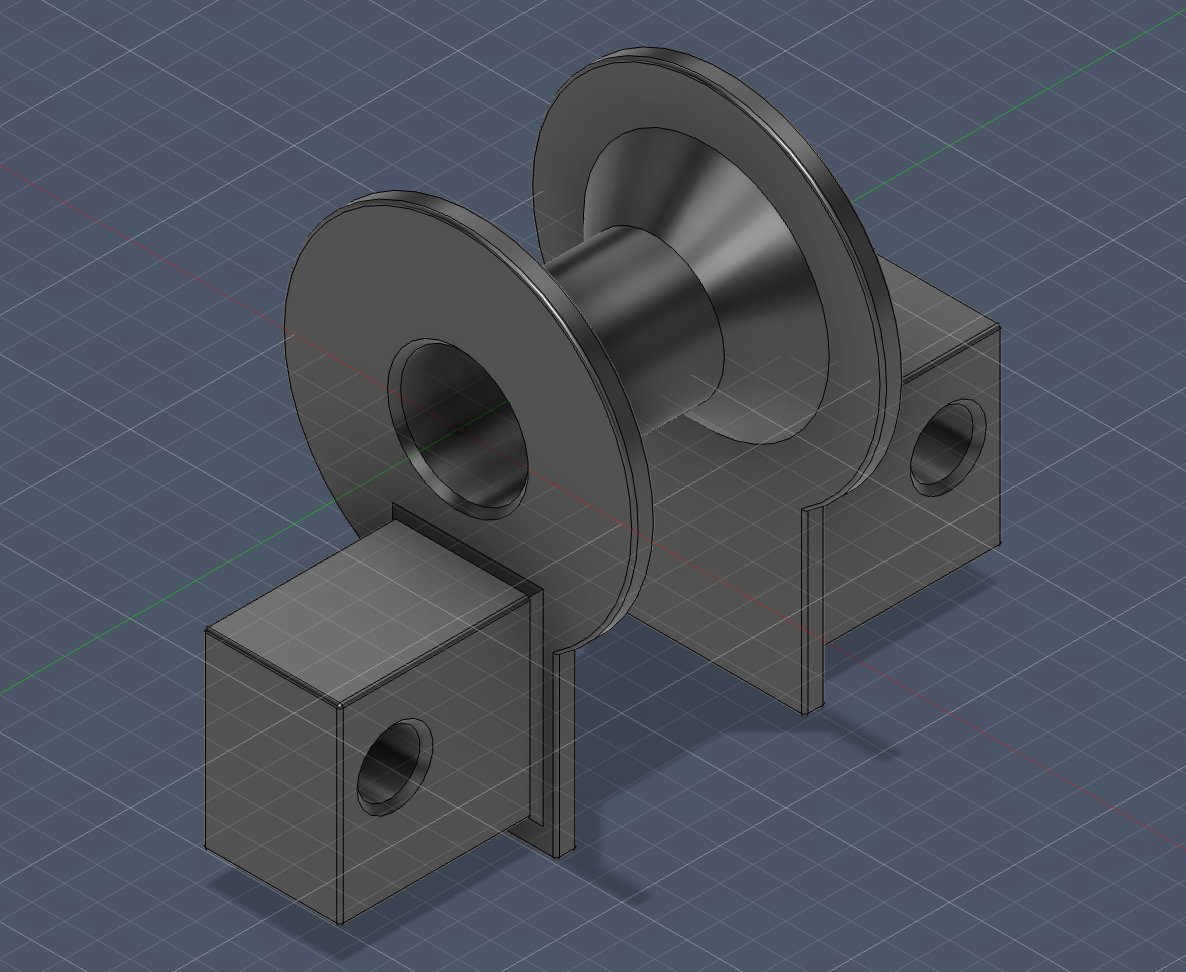
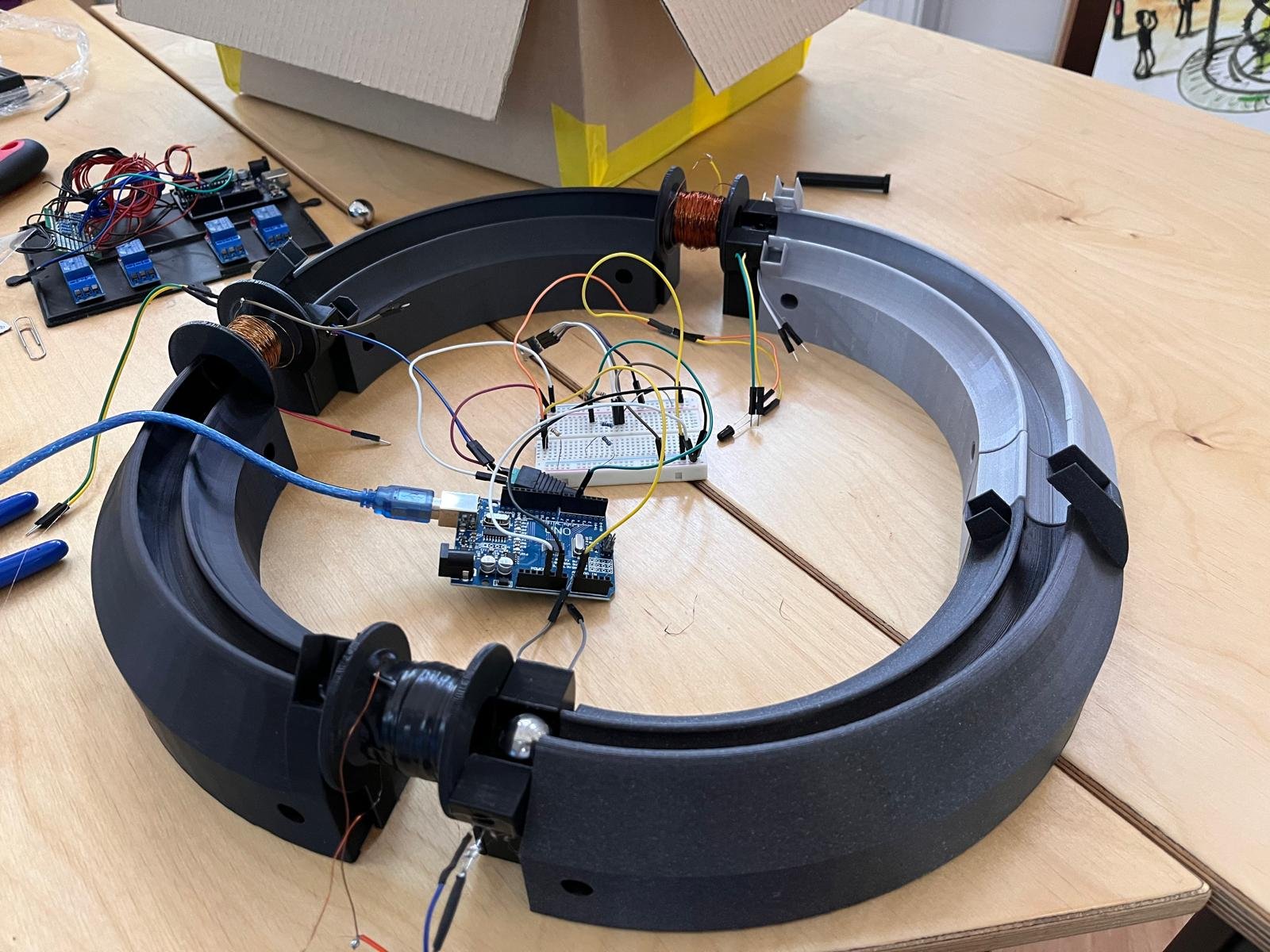
One of our most popular demos is a working desktop model of a particle accelerator — a ferromagnetic ball pulled along a track by precisely-timed electromagnets, built in-house with 3D printing and an Arduino. It makes the staged-acceleration idea behind our real machines something visitors can watch and understand in seconds.
It is open hardware: the block diagram, 3D models, wiring and control code are documented so schools and students can rebuild it. And when you're done with the model, you can try driving the real thing — our virtual control room simulates the 3 MV Tandetron desk with real physics.
Bring us to your classroom
Are you a teacher, school coordinator or university group who would like a visit, a talk, or a guided tour of our accelerators? We would love to hear from you. Tours and school activities — including the Horizon project and „Școala altfel” programme — are arranged by prior appointment, so please get in touch well in advance.
Invite us / book a visit Student opportunities